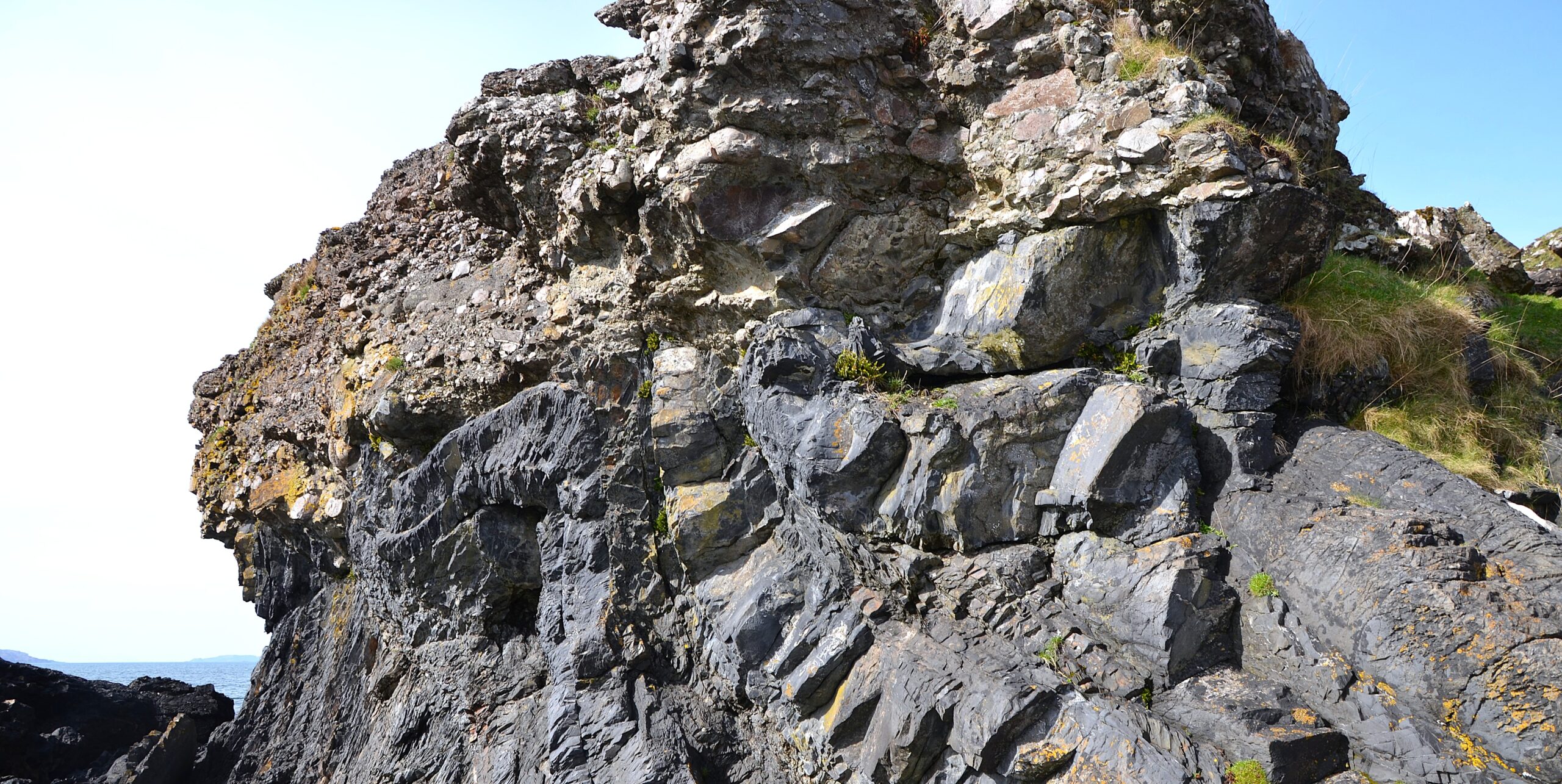
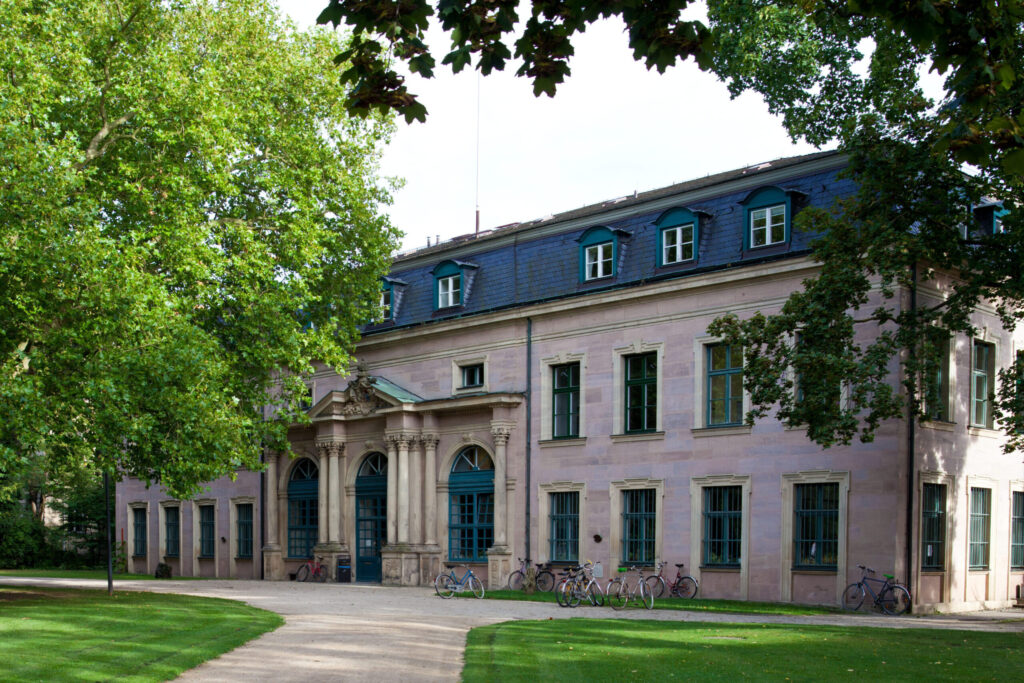
The GeoZentrum Nordbayern comprises eleven research groups that foster a forward-looking integration of fundamental and applied research and actively contribute to a broad spectrum of interdisciplinary research at FAU.
Overview of Research Groups
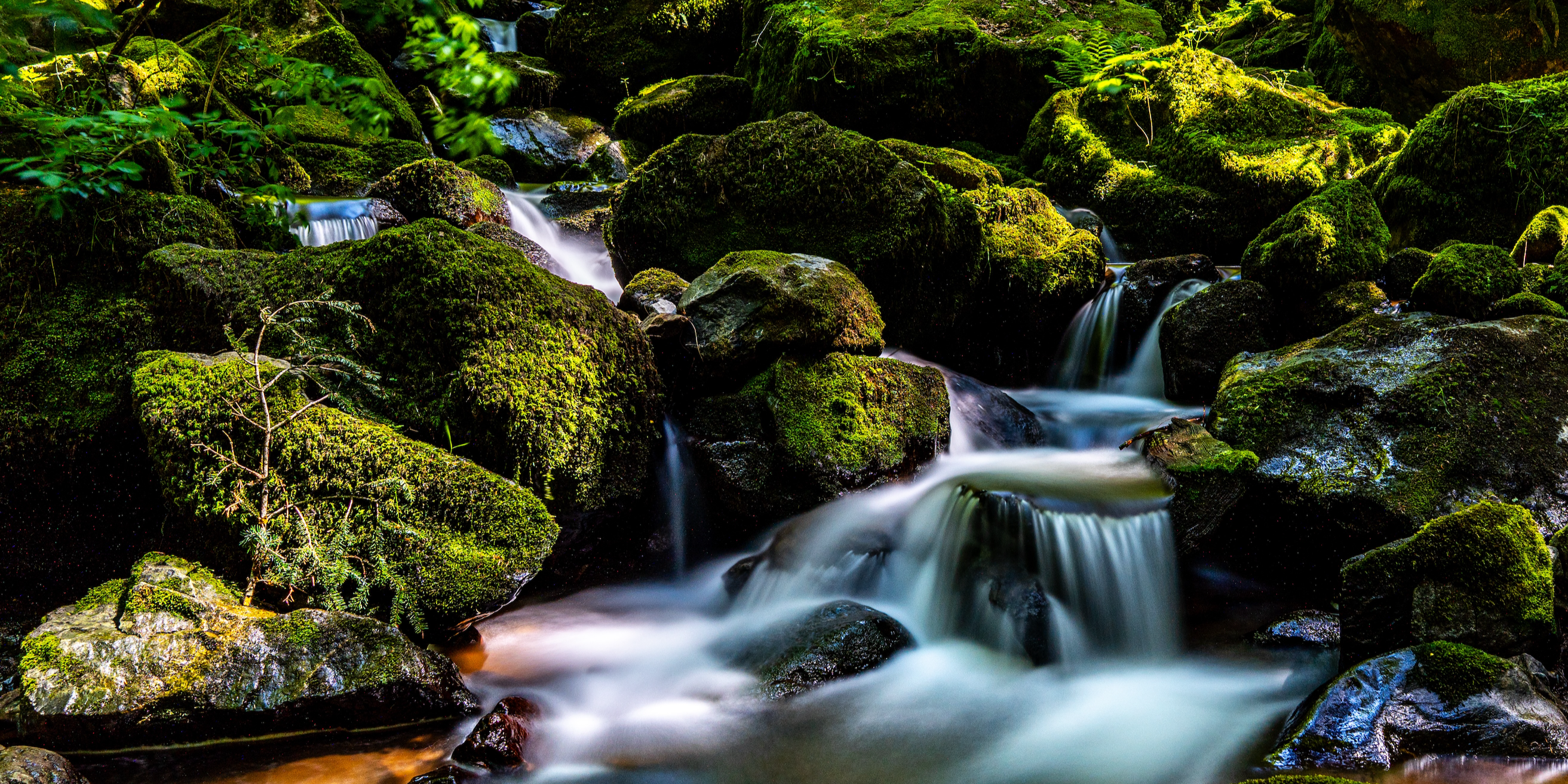
Applied GeologyApplied geology deals with environmental and engineering geological topics. These range from geology, water and chemistry to stable isotopes, bringing them together in an exciting field of research. | Our Keywords: (Ground)water – Water quality and quantity – Stable isotopes – Environmental modelling
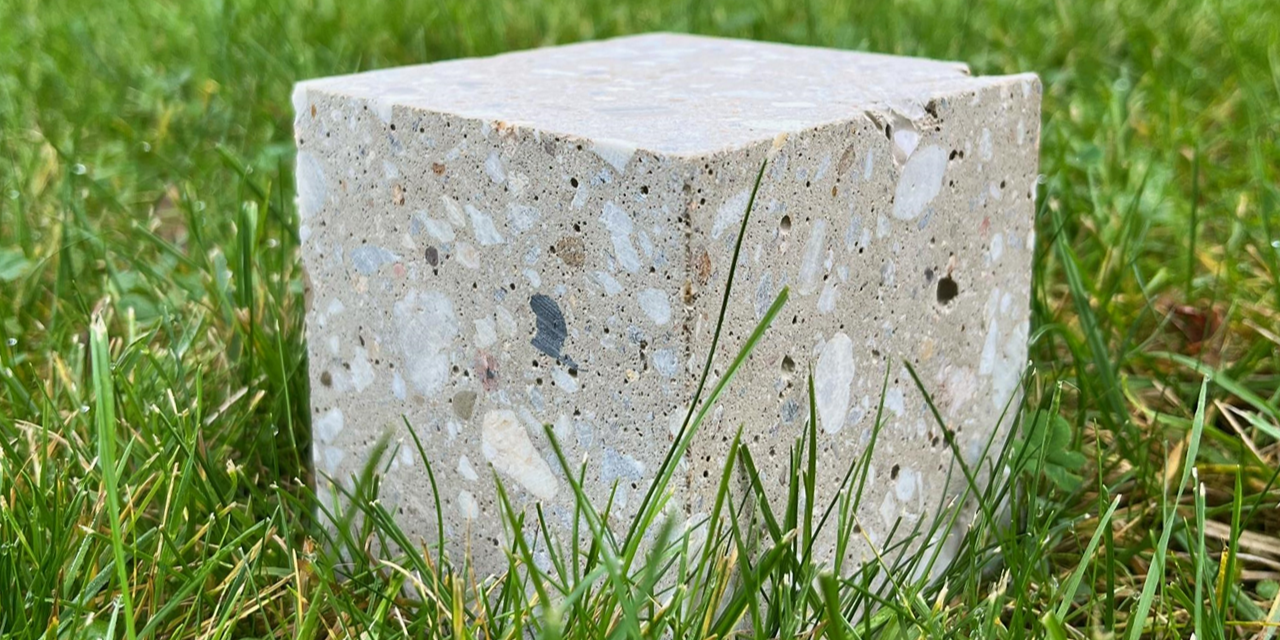
Applied MineralogyThe applied mineralogy focuses on investigating the relationship between crystal structure and the individual properties of various materials, with the aim of optimizing the use and performance of minerals. | Our Keywords: Materials research – Carbon-neutral cements – Biomaterials – Phase analyses – Modelling
Endogenous GeodynamicsEndogenous Geodynamics investigates magmatic and hydrothermal processes involved in the development of the Earth’s crust using geochemical methods (e.g., volcanism at plate boundaries and the formation of metallic raw materials). | Our Keywords: Geochemistry – Volcanoes – Deposit formation– Cycle of materials – Earth Systems
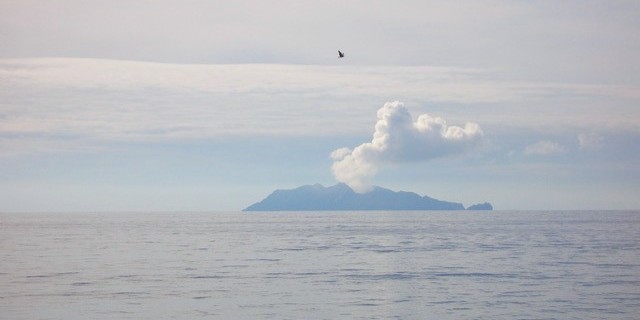
Geochemistry and ore depositsThe Geochemistry and Deposits working group investigates how elements in the Earth's crust are displaced during the formation of ore deposits and what quantities of harmful or climate-relevant substances. | Our Keywords: Deposit formation – Modelling – Climate change – Cycle of materials – Elemental and isotopic analysis
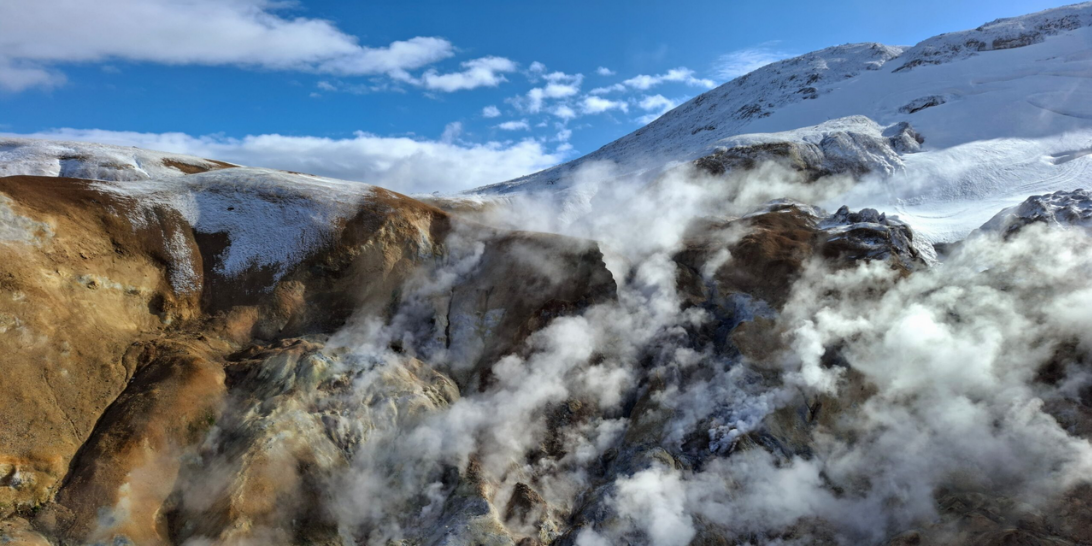
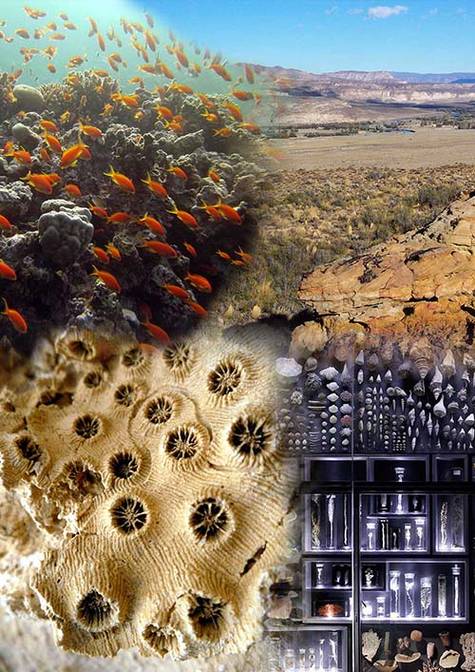
Microfacies of carbonateCarbonate rocks are unique archives of our planet's climate and environmental history, as they are formed by living organisms. Research in this field has a long history and focus in Erlangen. | Our Keywords: Carbonate rock – Climate change – Fossils – Evolution – Palaeoenvironment
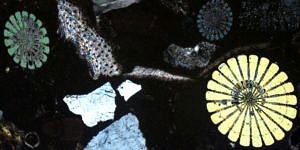
Modeling of Environmental SystemsOur research aims to unravel the complexity of geosystems using advanced numerical models and to provide insights and solutions for sustainable environmental management. | Our Keywords: Groundwater modelling – Hydrological modelling – Uncertainty analysis
Paleobiology & PaleobiodiversityThe working group researches the evolution and diversity of ecosystems over long time scales, as well as the effects of climate change on species and ecosystems globally and regionally. | Our Keywords: Ecosystems – Species extinction – Databases – Fossils – Climate change – Biodiversity
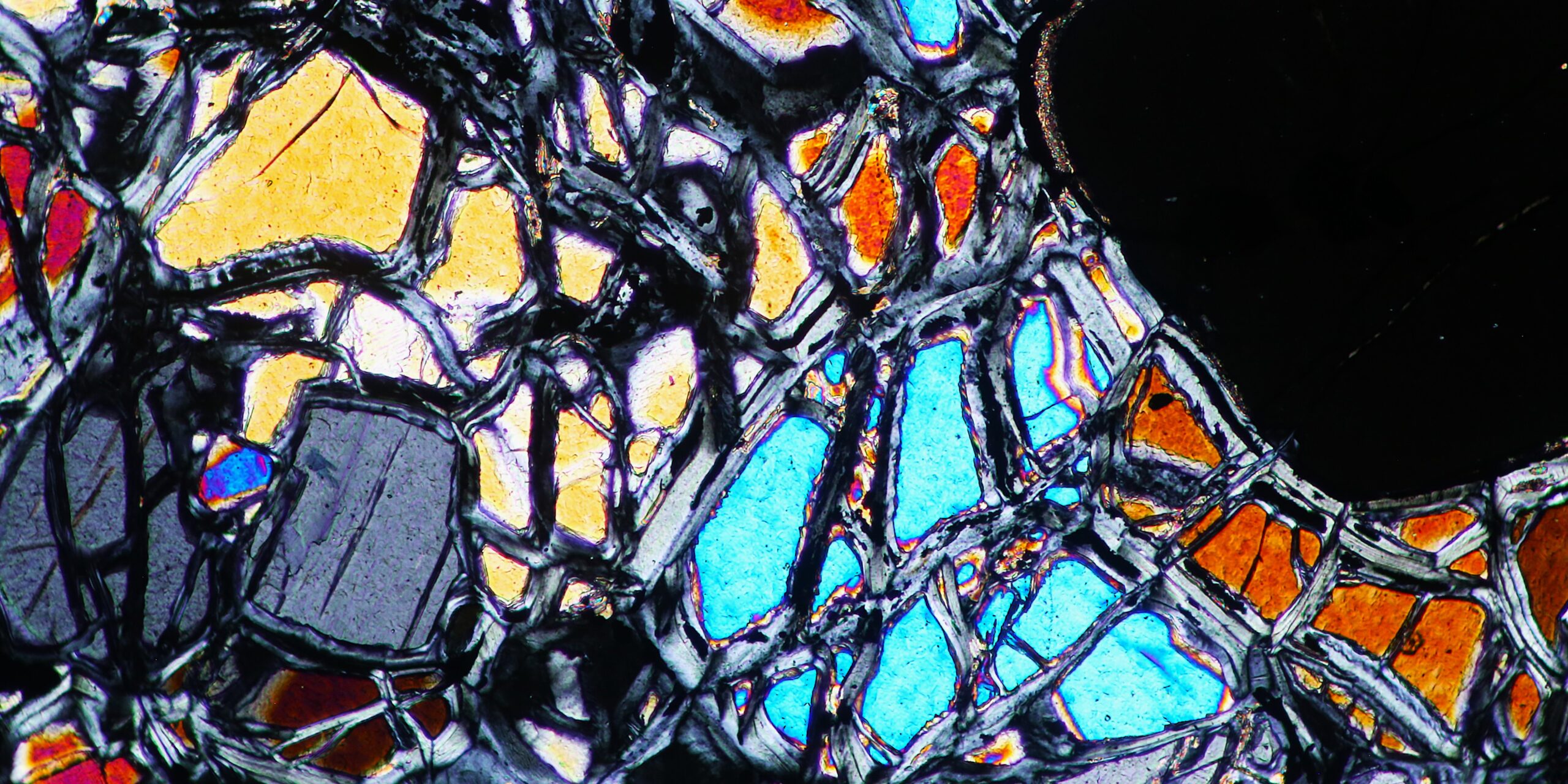
PetrologyPetrology deals with the formation and transformation of rocks, e.g., during mountain formation. To this end, the composition of the mineral components and the pressure-temperature conditions are examined. | Our Keywords: Rock formation – pressure and temperature conditions – rock and mineral chemistry – hydrogen – Earth’s mantle
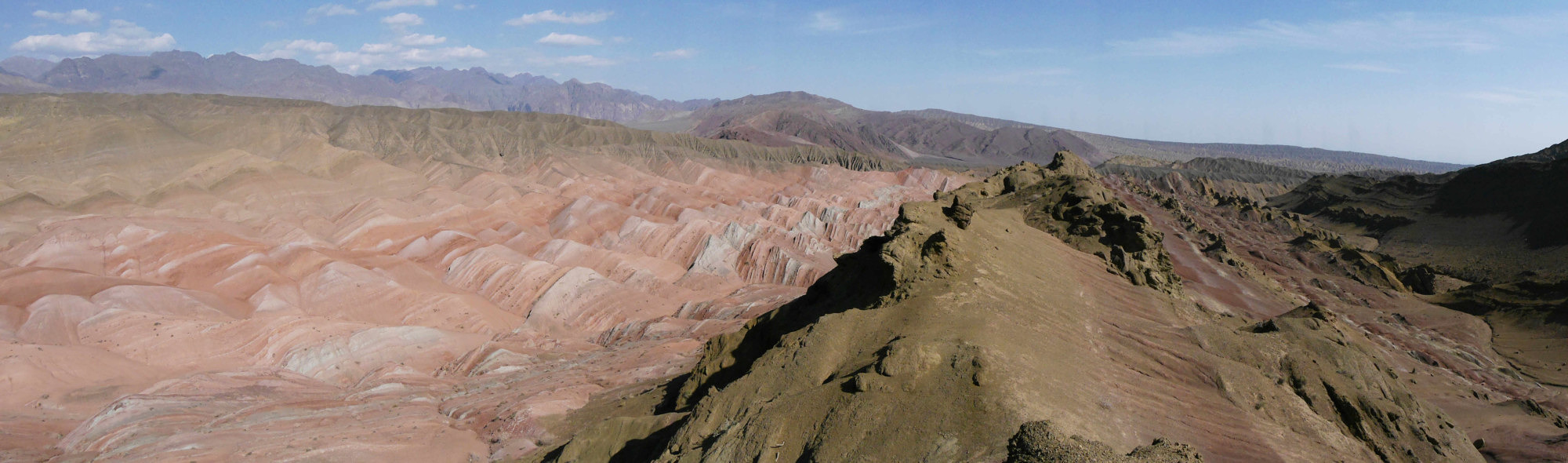
Sedimentology, Geothermal EnergyThe thematic focus of our working group's research and teaching includes topics in applied sedimentology, geothermal energy, and isotope geochemistry. | Our Keywords: Sedimentation formation – Reservoir rocks – Geothermal energy – Palaeoenvironmental reconstruction – Isotopes
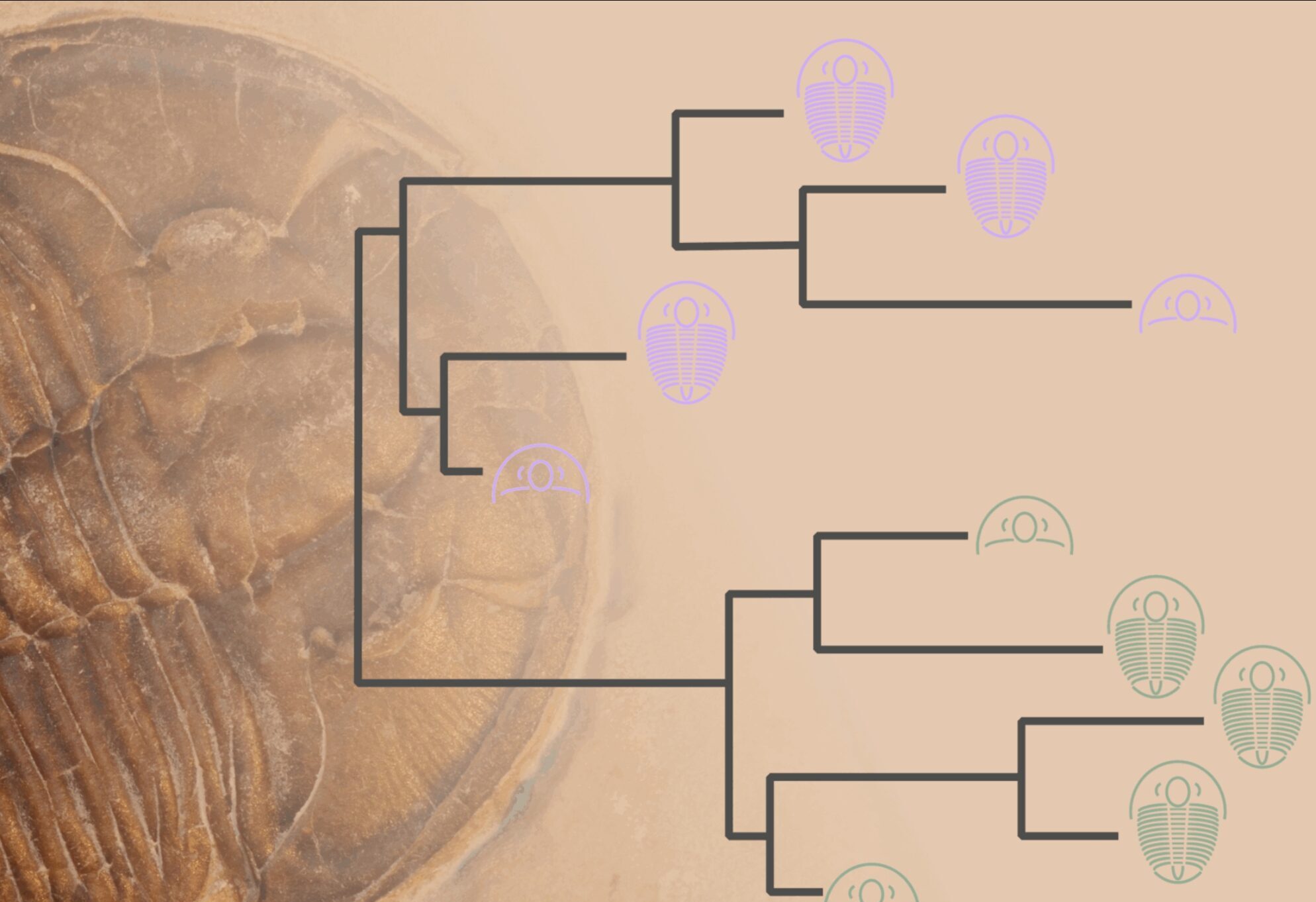
Systems PaleobiologySystematic paleobiology deals with the responses of organisms and ecosystems to past environmental changes based on information from evolutionary trees and fossil records. | Our Keywords: Phylogenetics – Fossils – Modelling – (Co)evolution – (Palaeo-)environmental influences
TectonicsIn Structural Geology and Tectonics, research focuses, among other topics, on the deformation of rocks and tectonic plates, the formation of mountain ranges, and the interactions between the Earth, the environment and humans. | Our Keywords: Plate tectonics – Earthquakes & volcanoes – Mountain formation – Simulation – Mineral deposits