
Major Projects

Paleontology is a small subject at universities. In Germany, there are only 44 professorships scattered across different locations. The fragmentation makes it difficult to develop common visions and research priorities. The initiative of the Volkswagen Foundation for the structural strengthening of “small subjects” focuses on this issue and promotes innovative ideas. The paleontology of the FAU has prevailed with its concept against numerous applicants in the competition.
From October 2019, the Volkswagen Foundation will be funding paleontology for the next seven years with almost one million euros. Prof. Dr. Wolfgang Kießling, Department of Paleoenvironment FAU, and Prof. Dr. Manuel Steinbauer, University of Bayreuth, head the project. They want to support paleontology in German-speaking countries in building networks, identifying common research priorities, and promoting young academies. The main task is the construction of synthesis workshops. These are working meetings of experts to be held at the FAU. In terms of content, they are jointly designed by all practicing paleontologists. As a result, research groups from all over the world come together to do research. A core aspect of the synthesis workshops is also to develop visions and strategies together. As an example, ‘what are the most important questions of paleontology currently and how can we answer them collectively?’ In addition to the workshops, a mobile app will be developed, which can automatically determine fossils. These can also be used by ordinary persons. In addition, training and innovation workshops will be further developed to further educate students and teachers and promote networking internationally.

Combined with local and regional anthropogenic factors, current human-induced climate warming is thought to be a major threat to biodiversity. The ecological imprint of climate change is already visible on land and in the oceans. The imprint is largely manifested in demographic/abundance changes and phenological and distribution shifts, whereas only local extinctions are yet attributable to climate change with some confidence. This is expected to change in the near future owing to direct heat stress, shortage of food, mismatches in the timing of seasonal activities, geographic barriers to migration, and new biological interactions. Additional stressors are associated with climate warming in marine systems, namely acidification and deoxygenation. Ocean acidification is caused by the ocean’s absorption of CO2 and deoxygenation is a result of warmer water, increased ocean stratification and upwelling of hypoxic waters. The combination of warming, acidification and deoxygenation is known as the “deadly trio”. Temperature is the most pervasive environmental factor shaping the functional characteristics and limits to life and is also central to the generation and biological effects of hypoxic waters and to modulating the effects of ocean acidification, with and without concomitant hypoxia. Due to the key role of temperature in the interaction of the three drivers we termed these temperature-related stressors (TRS).
Big Questions

The project is finalized
The goal of the „Big Questions“ project is to develop a community-based vision to guide research in paleontology in the years ahead. To accomplish this goal, paleontologists from around the world were invited to submit their Big Questions and to participate in the working groups that will further develop and refine those questions.
Here you can find a history of communications and announcements related to the Big Questions project. If you missed an email, this is the place to find it.
Das Projekt „The Big Questions“ umfasst zwölf Arbeitsgruppen, die das gesamte Spektrum der Paläontologie abdecken. Klicken Sie auf die untenstehende Gruppe, um weitere Informationen zu den einzelnen Gruppen zu erhalten.
Here you can find communications in multiple languages, papers relevant to the Big Questions project (e.g., similar initiatives in the past), and other resources.
The Big Questions project includes more than 175 paleontologists, representing dozens of countries and cultures. The purpose of this code of conduct is to establish a standardized set of guidelines for how we interact with each other to generate and maintain an environment where every participant feels welcome and capable of contributing to the success of the project. Read more
If at any point you have a question or comment, you can use this form to reach out to us. This form can also be used to report inappropriate behavior during working group meetings (the form directs to Jansen Smith).

“(Although) Facing multiple global crises such as global warming and extinction … geological sciences including paleontology, have been barely visible in ESS … (but) Paleontology with its strong ties to both, life- and geosciences, is thus a key science in ESS.“ Workshop
Other Projects / Third-party Funding
Das Potenzial von corallinen Algen als Indikator des Klimas in der Südlichen Hemisphäre und für die Evaluierung von globalen Klimamodellen: eine Fallstudie zu Neuseeland - Fortsetzungsprojekt
(Third Party Funds Single)Project leader:
Term: 1. October 2024 - 30. September 2026
Funding source: DFG-Einzelförderung / Sachbeihilfe (EIN-SBH)Coupled atmosphere/ocean general circulation models, or global climate models (GCMs) in short, are our most important tools for projecting climate into the future. In addition, they provide input for regional atmospheric models that translate global climate change to regional and local scales where humans face the impacts. Owing to this importance, GCMs must be evaluated against the observed past climate as thoroughly as possible, where one focus is the so-called historical period from 1850 to present. However, the evaluation task is difficult for the period of World War II and earlier due to a frequent lack of reliable observations. The outlined problem is exacerbated for the Southern Hemisphere, which has been notoriously understudied in comparison to the climate of the Northern Hemisphere. --- The present project proposes to utilize a rather recently discovered proxy archive (crustose coralline algae, CCA) for extending the observational record of the climatic environment of New Zealand back to ~1850, and exploit the new data set for the benefit of GCM evaluation, regional atmospheric modeling, and improved understanding of climate system functioning. CCA has a number of advantages compared to other proxy archives (e.g., easy retrieval, high temporal resolution, worldwide distribution). In the first part we will collect CCA offshore New Zealand and extract geochemical signals that allow us to reconstruct ocean temperatures back to the 19th century (the large-scale signal). Second, this new information will be employed in GCM evaluation to reveal their skill of representing large-scale climate of New Zealand. And third, regional numerical atmospheric modeling will be conducted to test whether the addition of the CCA-based criterion to the GCM evaluation ultimately adds value to regional climate modeling. A focus here will be on highaltitude climate and glacier variability in the Southern Alps (the impact signal). The regional modeling will also allow us to unravel the physical mechanisms that determine the potential of CCA as a climate proxy in New Zealand. --- The proposed project bundles the expertise of three partners across the fields of paleoclimate, Southern Hemisphere climatology and measurements, and climate modeling, which strongly supports the project goals due to the collaboration. The implications of the potential results, however, will go beyond the specific case study. Results will demonstrate how to rigorously combine the GCM and climate proxy worlds in a systematic framework, highlighting the role of CCA, and how the said combination can enhance regional climate modeling down to the local scale. These points are of generic importance for climate modeling and climate impact research.
AGELESS: Nutzung der Vergangenheit zur Vorhersage künftiger Veränderungen
(Third Party Funds Group – Sub project)Overall project: Nutzung langfristiger Daten zur Planktonvielfalt zur Entwicklung eines Rahmens für die Bewertung und den Schutz der biologischen Vielfalt in Gebieten außerhalb der nationalen Gerichtsbarkeit
Project leader:
Term: 1. September 2024 - 31. August 2027
Acronym: AGELESS
Funding source: BMFTR / VerbundprojektImplementierung von Proxydaten aus corallinen Algen in die Evaluierung von globalen Klimamodellen: eine Fallstudie für die Südliche Hemisphäre und Neuseeland
(Third Party Funds Single)Project leader: ,
Term: 1. July 2024 - 30. June 2026
Funding source: DFG-Einzelförderung / Sachbeihilfe (EIN-SBH)Globale Klimamodelle (Abk. GCMs) sind unsere wichtigsten wissenschaftlichen Werkzeuge, um das Klima der Zukunft einzuschätzen. Zudem liefern sie Daten-Input für regionale Atmosphärenmodelle, die uns die Berechnungen erlauben, wie sich der globale Klimawandel in bestimmten Regionen und Orten äußern wird (der sog. Klima-Impakt). Aufgrund dieser Bedeutung müssen GCMs so gut wie möglich mit Beobachtungen des vergangenen Klimas evaluiert werden, wobei ein Fokus auf der sog. "historischen Periode" von 1850 bis zur Gegenwart liegt. Die Evaluierung ist jedoch für den Zeitraum vor 1950 schwierig wegen der deutlich reduzierten Beobachtungsqualität. Für die Südliche Hemisphäre ist das skizzierte Problem besonders groß, da sie im Vergleich zur Nördlichen Hemisphäre schwächer untersucht ist. --- Das hiesige Projekt setzt einen aufstrebenden Klima-Indikator ein, krustenbildende coralline Algen (KCA), um die Beobachtungszeitreihe des Klimas in Neuseeland bis vor 1950 zurück zu verlängern - mit dem Ziel der Verwendung dieses neuen Datensatzes für die Evaluierung von GCMs und der Verbesserung regionaler Klimamodellierung. KCA haben im Vergleich zu anderen Klima-Indikatoren mehrere Vorteile, z.B. ihre weltweite Verbreitung, zeitlich hoch aufgelöste Information und die relativ leichte Gewinnung. Der erste Projektteil sieht die Sammlung von KCA vor der Küste Neuseelands vor sowie die Analyse der gespeicherten geochemischen Signale, mit denen wir die Ozeantemperatur 100 oder mehr Jahre zurückverfolgen können (das großräumige Klimasignal). Zweitens wird die neue Information in ein Schema der GCM-Evaluierung einfließen, das die Fähigkeit der verschiedenen globalen Modelle zeigt, das großräumige Klima Neuseelands abzubilden. Der dritte Teil widmet sich schließlich numerischen Simulationen mit einem regionalen Atmosphärenmodell, um den Wert der Einbeziehung des KCA-basierten Kriteriums für die regionale Klimamodellierung festzustellen. Der Fokus hier liegt auf dem Hochgebirgsklima und den Gletschern in den Südlichen Alpen (das Impakt-Signal). Die regionale Modellierung wird zudem enthüllen, welche physikalischen Prozesse das Potenzial von KCA als Klima-Indikator beeinflussen. --- Das Projekt bündelt die Expertise von drei Schwerpunkten (Paläoklimatologie, Klima der Südlichen Hemisphäre und Klimamodellierung) im Rahmen einer Forschungspartnerschaft, die die Ziele des Projekts maßgeblich stützt. Die Auswirkungen der potenziellen Resultate werden aber deutlich über die Fallstudie hinausreichen. Sie werden zeigen, wie man die zwei verschiedenen Welten der Klimamodellierung und der Klima-Indikatoren in einem systematischen Schema kombiniert, inklusive der Rolle von KCA, zugunsten von Fortschritten in der regionalen Klimamodellierung und Feststellung von Klimafolgen auf regionaler und lokaler Ebene. Diese Aussichten besitzen einen generischen Wert für die aktuelle Klimaforschung.
Exploring the potential of coralline algae as climate proxy and for climate model evaluation: a Southern Hemisphere case study of New Zealand
(Third Party Funds Single)Project leader:
Term: 1. February 2021 - 30. September 2024
Funding source: DFG-Einzelförderung / Sachbeihilfe (EIN-SBH)Coupled atmosphere/ocean general circulation models, or global climate models (GCMs) in short, are our most important tools for projecting climate into the future. In addition, they provide input for regional atmospheric models that translate global climate change to regional and local scales where humans face the impacts. Owing to this importance, GCMs must be evaluated against the observed past climate as thoroughly as possible, where one focus is the so-called historical period from 1850 to present. However, the evaluation task is difficult for the period of World War II and earlier due to a frequent lack of reliable observations. The outlined problem is exacerbated for the Southern Hemisphere, which has been notoriously understudied in comparison to the climate of the Northern Hemisphere. --- The present project proposes to utilize a rather recently discovered proxy archive (crustose coralline algae, CCA) for extending the observational record of the climatic environment of New Zealand back to ~1850, and exploit the new data set for the benefit of GCM evaluation, regional atmospheric modeling, and improved understanding of climate system functioning. CCA has a number of advantages compared to other proxy archives (e.g., easy retrieval, high temporal resolution, worldwide distribution). In the first part we will collect CCA offshore New Zealand and extract geochemical signals that allow us to reconstruct ocean temperatures back to the 19th century (the large-scale signal). Second, this new information will be employed in GCM evaluation to reveal their skill of representing large-scale climate of New Zealand. And third, regional numerical atmospheric modeling will be conducted to test whether the addition of the CCA-based criterion to the GCM evaluation ultimately adds value to regional climate modeling. A focus here will be on high-altitude climate and glacier variability in the Southern Alps (the impact signal). The regional modeling will also allow us to unravel the physical mechanisms that determine the potential of CCA as a climate proxy in New Zealand. --- The proposed project bundles the expertise of three partners across the fields of paleoclimate, Southern Hemisphere climatology and measurements, and climate modeling, which strongly supports the project goals due to the collaboration. The implications of the potential results, however, will go beyond the specific case study. Results will demonstrate how to rigorously combine the GCM and climate proxy worlds in a systematic framework, highlighting the role of CCA, and how the said combination can enhance regional climate modeling down to the local scale. These points are of generic importance for climate modeling and climate impact research.Drivers and consequences of novel marine ecological communities
(Third Party Funds Single)Project leader:
Term: 1. January 2021 - 31. December 2023
Funding source: Ausländische Drittmittelgeber (keine EU-Mittel)Z-Projekt: TERSANE Coordination funds
(Third Party Funds Single)Project leader:
Term: 1. December 2019 - 30. November 2022
Acronym: Z-Projekt
Funding source: DFG-Einzelförderung / Sachbeihilfe (EIN-SBH)
URL: https://cnidaria.nat.uni-erlangen.de/wp/TERSANE is dedicated to elucidatingthe consequences of ancient, non-anthropogenic global change with the aim toproject the consequences of anthropogenic climate change on organisms andecosystems. Our overarching hypothesis is that the impact of climate-relatedstressors (CRS) that were associated with past marine biological crises mayserve as analogues for the future ocean. Success of the still ongoing initialphase of TERSANE and outstanding questions lead us to apply for a renewal:TERSANE 2.0. Our own previous work and independent new developments necessitateemphasizing in phase 2 of TERSANE: Spatialpatterns, biogeochemical cycles, mechanism-based understanding, and modeling.
TERSANE 2 will have nine projects, which are organizedin three tightly connected research pillars each comprising three projects
1. Identifying CRS across thePermian-Triassic boundary
Spatiotemporal patterns of CRSimpacts
3. Bridging spatiotemporal scales
Pillar 1 will use geochemical proxies and earth systemmodeling to reveal the exact environmental changes across the largesthyperthermal event and mass extinction of the Phanerozoic. Projects will targetnutrient and carbon cycles, continental weathering, and the intensity of causesof anoxia. Temperature, CO2 and pH have already been addressed inphase 1.
Pillar 2 explores the spatial pattern of CRS impactsin a time series context. Here paleobiological methods and modeling areapplied. Projects focus on temperature change as a trigger of range shifts andextinction. Each project will also emphasize patterns across thePermian-Triassic boundary linking to pillar 1.
Pillar 3 is dedicated to probing the role ofspatiotemporal scales on CRS impacts. We hypothesize that physiological dataprovide the mechanistic understanding for CRS responses on multiple timescales. Consequently, we link physiological experiments, body size dynamicsacross multiple time scales and organismic-ecosystem fates in this pillar.Projects in this pillar are tightly linked to both pillars 1 and 2.
Size reductions during hyperthermal events: early warnings of environmental deterioration or signs of extinction? (EarlyWarn)
(Third Party Funds Single)Project leader:
Term: since 1. December 2019
Funding source: Deutsche Forschungsgemeinschaft (DFG)Size reductions in successive fossil assemblages during times of extinction are major features visible across a variety of temporal and spatial scales. The underlying environmental drivers and mechanisms are however still debated. In various cases, size responses predate the main extinction pulse suggesting that they might signal early environmental disruptions. The project proposed here aims to explicitly model size changes in a sequence stratigraphic framework to disentangle the local paleoenvironmental influences on these patterns from global ones. This approach will focus on within-facies and between-facies comparisons of mollusk and brachiopod assemblages of Permian-Triassic sections in Iran and various European Pliensbachian-Toarcian sections, hence covering a wide range of paleoenvironmental and preservational contexts before and across extinction events. These approaches are necessary to quantitatively disentangle the relative contribution of climate-related stressors and nutrient availability in driving patterns when filtering out potential collection and stratigraphy biases. The final part of the project will compare our newly collected high-resolution data with newly appended large size datasets considering appropriate facies, sequence stratigraphic and geochemical context to understand their relative contribution in the first comprehensive meta-analysis on these aspects of miniaturization (“Lilliput effect”). These datasets will also be used to disentangle the relative contribution of within-species size reductions, size-selective extinction/immigration and origination/immigration in driving size fluctuations during background conditions as well as during events ranging from minor biological crises to mass extinctions associated with hyperthermal events.
SP: Strengthening Paleontology: The German seed for global cooperation
(Third Party Funds Single)Project leader:
Term: 1. October 2019 - 30. September 2026
Acronym: SP
Funding source: Volkswagen StiftungSPex: Spatial patterns of global diversity dynamics in warming scenarios (SPex)
(Third Party Funds Single)Project leader:
Term: 1. October 2019 - 30. September 2022
Acronym: SPex
Funding source: Deutsche Forschungsgemeinschaft (DFG)Current climate change is expected to have a definite effect on the global marine biota and will likely lead to not only local, but also global extinctions. Species distributions rearrangeduring global warming; marine species track the isotherms of their thermal niches and studies suggest that low-latitude species will be more affected by local extinctions (extirpations). Predictions on the geographic patternsof complete extinctions are lacking, although past mass extinctions are often invoked as analogues for possible future scenarios. Inference on the causes of mass extinctions is often based on recorded geographic patterns ofspecies extinctions, but the relationship between warming and these patterns is based on assumptions and thought experiments, rather than spatially explicit models that consider Earth’s geometry, stochastic processesand multitudes of species.
Project SPex addresses this issue by simulating extinction scenarios, which I organize around the central hypothesis that extensive warming leads to pronounced geographic patterns of extinctions,preferentially affecting lower latitudes. To assess this and associated hypotheses, I will construct a high-performance modelling framework of species distributions with cellular automata, and simulate spatially explicit bioticresponses to warming with increasing system complexity: in theoretical settings first, and then using data of recorded, warming-related mass extinction scenarios.
With the cellular automaton approach, assigned temperature niches can be used to limit species distributions, while other influencing variables can be modelled as random processes that expandor contract geographic ranges of thousands of virtual species. Both recent (OBIS, Aquamaps) and fossil (Paleobiology Database) biotic data will be used to constrain the models that will also incorporate continent reconstructionsand general circulation modelling results. Abiotic input data will be used to reconstruct possible scenarios of hyperthermals, such as the Permian/Triassic, Triassic/Jurassic and Pliensbachian/Toarcian events, as well as thePaleocene-Eocene Thermal Maximum. Patterns of future extinctions will also be assessed using modelled abiotic parameters of simplified scenarios beyond RCP8.5. Simulation patterns will also be contrasted with extirpation andinvasion patterns of gridded fossil data. Thus, the project intends to integrate past mass extinctions and future settings by adding invasions and extirpations to the past and species extinctions to predicted future scenarios.
coraltrace: CoralTrace – A new approach to understanding climate-induced reef crises
(Third Party Funds Group – Sub project)Overall project: FOR 2332: Temperature-related stresses as a unifying principle in ancient extinctions (TERSANE)
Project leader: ,
Term: 1. October 2019 - 30. September 2022
Acronym: coraltrace
Funding source: DFG / Forschungsgruppe (FOR)Coral reefs are perhaps the most threatened marine ecosystems from current climate-related stressors (CRS). The modern reef crisis manifests itself in an increased frequency of mass-bleaching, reduced calcification rates of corals, and elevated coral mortalities. Although extinction risk is also high among reef-building corals, reef decline is driven by reduced net calcium carbonate production of existing species, rather than extirpation or extinction. Nevertheless, extinctions are a major concern, because these are irreversible and thus preventing the recovery of reefs from CRS-driven crises.Using the Paleobiology Database and the Erlangen PaleoReefs Database together with a new fossil trait database on extinct reef builders, this project aims to reveal the interplay of individualistic evolutionary fate and whole ecosystem changes in reefs over time. Specifically, we test three main hypotheses: (1) Reefs are more sensitive to CRS than reef building species. A global reef crisis can occur without mass extinction, simply because the net calcium carbonate production is reduced. An important implication of this hypothesis is that reef crisis may be an early warning sign of a forthcoming biodiversity crisis. (2) Both the reef-building capacity and the extinction risk of reef building taxa can be predicted from their traits. Although not all potentially relevant life-history traits can be derived from fossils (e.g., nature of photosymbionts), preservable traits such as growth morphology and habitat breadth have been shown to be correlated with coral extinction risk and reef growth today. (3) Mesophotic and mid-latitude environments are suitable environments for reefal refugia and recovery after climate induced crises.Hypothesis testing will be performed in a multivariate statistical framework and machine learning focussing on preserved reefal volume and extinction as dependent variables. Independent variables such as magnitude and duration of warming, anoxia and acidification will be taken from published sources and accompanying TERSANE projects. Tests will be conducted at the level of specific time slices (end-Permian, end-Triassic, early Jurassic) as well as in a time-series context. To be feasible and relevant to TERSANE’s goals, CoralTrace will focus on Permian to Neogene reef systems.
CoralTrace - Ein neuer Ansatz zum Verständnis klimainduzierter Riffkrisen
(Third Party Funds Single)Project leader:
Term: 1. October 2019 - 30. September 2022
Funding source: DFG-Einzelförderung / Sachbeihilfe (EIN-SBH)Coral reefs are perhaps the most threatenedmarine ecosystems from current climate-related stressors (CRS). The modern reefcrisis manifests itself in an increased frequency of mass-bleaching, reducedcalcification rates of corals, and elevated coral mortalities. Althoughextinction risk is also high among reef-building corals, reef decline is drivenby reduced net calcium carbonate production of existing species, rather than extirpationor extinction. Nevertheless, extinctions are a major concern, because these areirreversible and thus preventing the recovery of reefs from CRS-driven crises.
Using the Paleobiology Database and theErlangen PaleoReefs Database together with a new fossil trait database onextinct reef builders, this project aims to reveal the interplay ofindividualistic evolutionary fate and whole ecosystem changes in reefs overtime. Specifically, we test three main hypotheses: (1) Reefs are more sensitiveto CRS than reef building species. A global reef crisis can occur without massextinction, simply because the net calcium carbonate production is reduced. Animportant implication of this hypothesis is that reef crisis may be an earlywarning sign of a forthcoming biodiversity crisis. (2) Both the reef-buildingcapacity and the extinction risk of reef building taxa can be predicted fromtheir traits. Although not all potentially relevant life-history traits can bederived from fossils (e.g., nature of photosymbionts), preservable traits suchas growth morphology and habitat breadth have been shown to be correlated withcoral extinction risk and reef growth today. (3) Mesophotic and mid-latitudeenvironments are suitable environments for reefal refugia and recovery afterclimate induced crises.
Hypothesistesting will be performed in a multivariate statistical framework and machinelearning focussing on preserved reefal volume and extinction as dependentvariables. Independent variables such as magnitude and duration of warming,anoxia and acidification will be taken from published sources and accompanyingTERSANE projects. Tests will be conducted at the level of specific time slices(end-Permian, end-Triassic, early Jurassic) as well as in a time-seriescontext. To be feasibleand relevant to TERSANE’s goals, CoralTrace will focus on Permian to Neogenereef systems.
Ultrastructural evolution of the first vertebrate skeletal tissues - reconstruction using electron backscatter diffraction (EBSD)
(Third Party Funds Single)Project leader:
Term: since 1. February 2019
Funding source: DFG-Einzelförderung / Sachbeihilfe (EIN-SBH)Quantifying and tracing marine biogeography over the Phanerozoic
(Third Party Funds Single)Project leader:
Term: 1. August 2018 - 31. July 2019
Funding source: DFG-Einzelförderung / Sachbeihilfe (EIN-SBH)Outlining and understanding the geographic structuring of biodiversity is a major challenge both for modern and past ecosystems. Different approaches to delineate biogeographic unitsare currently applied, which result in vastly different patterns. In order to objectively define biogeographic provinces, I propose a two-year research project to develop quantitative methods that outline biogeographical unitsbased on marine organismic occurrence data. The so-defined units will allow the assessment of between-unit, beta-level diversity patterns over the Phanerozoic as well. This will enable the scrutinization of hypotheses such as that continent configuration drives global marine beta diversity patterns, and that beta diversity drops in post-extinction recovery ecosystems.The project will constitute method development and testing on simulated data to rigorously assess their capacity and increase their accuracy as well. The proposed project is divided into four discreet phases, each built onthe results of the previous one. Research will start with the analysis of biogeographic patterns in modern oceans, which will be followed by the analyses of the fossil record in individual time slices. The project will beconcluded with the outlining of quantitatively defined, traceable biogeographic units over the Phanerozoic. Success in the development of the proposed methodology will allow the analysis of the biogeographic structure in marinesettings based on a reproducible partitioning scheme.
Deep origins of marine trophic networks
(FAU Funds)Project leader:
Term: 1. January 2017 - 28. February 2018Constraining the deep origin of metazoan parasitism through integration of Evolutionary Parasitology and Molecular Paleobiology
(FAU Funds)Project leader:
Term: 1. January 2017 - 31. March 2018Environmental and biotic controls on conodont body size and teeth morphology as proxies for their feeding ecology
(Third Party Funds Single)Project leader:
Term: 1. September 2016 - 31. August 2019
Funding source: DFG-Einzelförderung / Sachbeihilfe (EIN-SBH)Before the advent of jawed vertebrates, conodonts were the most abundant and diverse predators of early Palaeozoic oceans. Their phosphatic teeth abound in upper Cambrian through Triassic marine rocks. Thanks to their extraordinarily rapid morphological evolution, conodonts are established as a prime tool in biostratigraphy. Yet the feeding ecology that allowed this rapid diversification of food-processing structures remains unknown.The core question of this project is: How does conodont morphology reflect their trophic position, diet, and environmental conditions? This project will develop quantitative proxies to study conodont teeth and provide models of their variability in function of the abiotic environment (lithofacies) and biotic interactions (community structure). Teeth size will be quantified as a proxy for prey size, and thickness of the biomineralized tissue will be used as an indicator of durophagy. These parameters will be examined across well-documented environmental gradients in the middle Silurian carbonate succession of Gotland, Sweden. The project will allow distinguishing ecophenotypic variability from microevolutionary patterns. It will also identify the key controls on this variability by testing ecological models derived from other faunal groups, e.g. the relationship between body size structure in a community and the length of the trophic chain. These models will be independently tested by applying geochemical proxies for the trophic level of individual organisms. The project will provide a framework within which conodont morphological diversity across geological successions can be interpreted by partitioning it into ecophenotypic and evolutionary trends.
FOR 2332: Body size dynamics of cephalopods across the Pliensbachian-Toarcian crisis
(Third Party Funds Group – Sub project)Overall project: Temperature-related stresses as a unifying principle in ancient extinctions (TERSANE)
Project leader:
Term: 1. August 2016 - 31. July 2019
Acronym: FOR 2332
Funding source: DFG / Forschungsgruppe (FOR)The reduction of body size within individual lineages is suggested to be one of the most important responses in the face of temperature-related stressors. Despite common suggestions of similar size changes around mass extinction events, the global significance as well as the mechanisms of this Lilliput effect are still controversial. This project aims at understanding the role of warming and associated stressors (anoxia) in driving body size changes of marine organisms in the Early Jurassic (Toarcian) crisis. We focus on cephalopods along a N/S-gradient of western Europe and northwestern Africa to explore patterns of body sizes from individual taxa to entire assemblages. Patterns will be explicitly analysed in the context of sedimentary facies, physico-chemical proxies and physiological predictions to test the correlation of body size with environmental parameters such as temperature, oxygenation and productivity/burial of organic carbon.
Temperature-induced stresses as a unifying principle in ancient extinctions (TERSANE)
(Third Party Funds Group – Sub project)Overall project: Temperature-induced stresses as a unifying principle in ancient extinctions (TISANE)
Project leader:
Term: 1. July 2016 - 31. July 2019
Funding source: Deutsche Forschungsgemeinschaft (DFG)TERSANE: Temperature-related stresses as a unifying principle in ancient extinctions
(Third Party Funds Group – Sub project)Overall project: FOR 2332: Temperature-related stresses as a unifying principle in ancient extinctions (TERSANE)
Project leader: , , , , ,
Term: 1. July 2016 - 30. June 2019
Acronym: TERSANE
Funding source: DFG / Forschungsgruppe (FOR)
URL: https://www.gzn.fau.de/palaeoumwelt/projects/tersane/index.htmlCombined with local and regional anthropogenic factors, current human-induced climate warming is thought to be a major threat to biodiversity. The ecological imprint of climate change is already visible on land and in the oceans. The imprint is largely manifested in demographic/abundance changes and phenological and distribution shifts, whereas only local extinctions are yet attributable to climate change with some confidence. This is expected to change in the near future owing to direct heat stress, shortage of food, mismatches in the timing of seasonal activities, geographic barriers to migration, and new biological interactions. Additional stressors are associated with climate warming in marine systems, namely acidification and deoxygenation. Ocean acidification is caused by the ocean's absorption of CO2 and deoxygenation is a result of warmer water, increased ocean stratification and upwelling of hypoxic waters. The combination of warming, acidification and deoxygenation is known as the "deadly trio". Temperature is the most pervasive environmental factor shaping the functional characteristics and limits to life and is also central to the generation and biological effects of hypoxic waters and to modulating the effects of ocean acidification, with and without concomitant hypoxia. Due to the key role of temperature in the interaction of the three drivers we termed these temperature-related stressors (TRS).
FOR 2332: Biotic consequences of temperature-related stresses across temporal scales
(Third Party Funds Group – Sub project)Overall project: Temperature-related stresses as a unifying principle in ancient extinctions (TERSANE)
Project leader:
Term: since 1. January 2016
Acronym: FOR 2332
Funding source: DFG / Forschungsgruppe (FOR)Understanding the physiological constraints of extant species is of critical importance to interpret ancient responses to temperature-related stresses (TRS). Likewise, anticipating the biotic responses to current climate change will benefit from an analysis of biotic responses observed in the geological past. Embedded in the Research Unit TERSANE we propose a project, which explicitly combines neontological and paleontological approaches to assess the consequences of warming, ocean acidification, and various degrees of hypoxia for marine life. The project focuses on the compilation and analysis of large datasets and has three main components: (1) A meta-analysis of (a) extant organisms will summarize experimental and observational data on responses and critical limits of marine organisms to quantify the sensitivities of higher, fossilizable taxa to warming, ocean acidification, and hypoxia and their synergies, and (b) a meta-analysis of fossil observations will focus on assessing the veracity of the Lilliput effect, the reduction of body sizes in the aftermath of mass extinctions, which is sometimes thought to be related to TRS. (2) The analysis of primary occurrence data from the fossil record will evaluate the physiological and biogeographic selectivity of the end-Permian and Early Jurassic extinction events to test if the physiological principles derived from modern observations scale up to selective extinction risk in the face of extreme climate change. (3) The assessment of ancient rates of climate and environmental changes from local sections is critical to test if these rates were genuinely lower than over the last 50 years, or if the apparently lower rates observed in the past are just statistical artifacts due to the different time scales. A scaling-adjusted rate estimate will help making our findings relevant for modern climate change ecology. These three components will finally be integrated to evaluate the commonality of patterns and eco-physiological selectivity of extinctions as visible in paleo- and extant data.
Reservoir: Charakterisierung, Langzeitverhalten und Engineering des Reservoirs zur Minimierung des Fündigkeitsrisikos
(Third Party Funds Group – Sub project)Overall project: Geothermie-Allianz Bayern (GAB)
Project leader: ,
Term: 1. January 2016 - 31. December 2020
Acronym: Reservoir
Funding source: Bayerisches Staatsministerium für Bildung und Kultus, Wissenschaft und Kunst (ab 10/2013)Das bayerische Molassebecken ist bislang das einzige Vorlandbecken weltweit aus dem erfolgreich geothermisch Strom und Wärme produziert wird. Die Machbarkeit der geothermischen Energiegewinnung aus niederen Temperaturen von etwa 150°C ist damit bewiesen und die Geothermie hat damit das Potenzial, einen wesentlichen Anteil des Energiebedarfs in Bayern regenerativ abzudecken.
Die Erfahrungen aus den bisherigen installierten oder in der Entwicklung befindlichen Geothermiefeldern zeigen aber auch, dass wesentliche Fragen in der geothermischen Technologienentwicklung bislang nicht geklärt werden konnten. So sind für die Planung und Durchführung von Geothermie-Projekte hohe Investitionen notwendig, die insbesondere am Beginn des Projekts durch die Niederbringung der Bohrungen erforderlich sind. Ob und in welchem Maße ein Geothermie-Projekt wirtschaftlich erfolgreich ist hängt unmittelbar mit Risiken bei der geologischen Erschließung und deren Fündigkeit zusammen. So entstanden
in der Vergangenheit durch nicht erfolgreiche Bohrungen bzw. dem Verfehlen von wirtschaftlich
gesetzten Zielen bei Geothermie-Projekten Unsicherheiten für Investoren, Versicherer
und Betreiber. Eine optimierte Explorationsstrategie und ein verbessertes Verständnis der hydrogeologischen und thermischen Ausprägung des Reservoirs sollen das Bohr- und Fündigkeitsrisiken senken, die Planungssicherheit erhöhen und damit die Attraktivität der Geothermie für Investoren steigern. Die Kenntnis des langfristigen dynamischen Verhaltens des Reservoirs bezüglich der nutzbaren Volumenströme und thermischen Entwicklung bietet zudem eine höhere Sicherheit für die Planung der Wirtschaftlichkeit geothermischer Anlagen und Optimierungsmöglichkeiten ihrer Betriebsweise.Eine systematische wissenschaftliche Begleitung von Geothermieprojekten und die daraus zu gewinnenden Rückschlüsse auf das Reservoir und deren Fündigkeit bis hin zu einem Testfeld für
geothermische Technologienentwicklung, die von der Erkundung und Bohrung bis zur Reservoir-
Evaluierung und dem Reservoir-Engineering reicht, fehlen bislang. Das vorliegende Forschungsprojekt soll diese relevanten Fragestellungen aufgreifen und beantworten.Die übergeordneten Ziele des vorliegenden Projektes sind das Risiko für eine geothermische Fündigkeit im süddeutschen Molassebecken zu reduzieren und Unsicherheiten des Reservoir-Engineering und des geothermischen Langzeitbetriebs einzuschränken und somit den Betrieb zu optimieren.FOR 2332: FOR 2332: Temperature-related stresses as a unifying principle in ancient extinctions (TERSANE)
(Third Party Funds Group – Overall project)Project leader:
Term: since 1. January 2016
Acronym: FOR 2332
Funding source: DFG / Forschungsgruppe (FOR)Anthropogenic global warming is regarded as a major threat to species and ecosystems worldwide. Predicting the biological impacts of future warming is thus of critical importance. The geological record provides several examples of mass extinctions and global ecosystem pertubations in which temperature-related stresses are thought to have played a substantial role. These catastrophic natural events are potential analogues for the consequences of anthropogenic warming but the Earth system processes during these times are still unexplored, especially in terms of their ultimate trigger and the extinction mechanisms. The Research Unit TERSANE aims at assessing the relative importance of warming-related stresses in ancient mass extinctions and at evaluating how these stresses emerged under non-anthropogenic conditions. An interdisciplinary set of projects will combine high-resolution geological field studies with meta-analyses and sophisticated analysis of fossil occurrence data on ancient (suspect) hyperthermal events to reveal the rate and magnitude of warming, their potential causes, their impact on marine life, and the mechanisms which led to ecologic change and extinction. Geochemistry, analytical paleobiology and physiology comprise our main toolkit, supplemented by biostratigraphy, sedimentology, and modelling.
Exploring biodiversity evolution in tropical seas based on comparisons of the Triassic fauna of the Cassian Formation with modern faunas
(Third Party Funds Single)Project leader: ,
Term: since 1. May 2015
Funding source: DFG-Einzelförderung / Sachbeihilfe (EIN-SBH)The Triassic Cassian Formation yields an exceptionally diverse marine tropical invertebrate fauna offering a largely unbiased assessment of the complexity and biodiversity of early Mesozoic ecosystems. The fauna consist of various assemblages from different localities and paleoenvironments, which vary strongly in terms of diversity and composition. Fossil preservation is usually exceptional including primary aragonite and a rich fauna of small species. Based on standardized large-scale bulk-sampling, we want to assess the true within and between community biodiversity, ecological complexity, taxonomic structure, and size distribution of Triassic tropical shallow water assemblages. Comparisons with assemblages of Recent and Quaternary tropical settings will be used to assess biological changes in diversity and complexity over more than 200 million years of evolution. By comparison with modern samples and existing datasets representing diagenetically more strongly altered (`normal´) fossil assemblages, the effect of taphonomy on preserved diversity, size distribution and ecological structure can be tested. Many of the groups, which are highly diverse in recent tropical faunas (e.g., heterodont bivalves and neogastropods) radiated not before the Cretaceous. We aim at testing if similarly diverse and ecologically dominant clades were present in the Triassic or if diversity was more evenly spread among higher taxa.Biogeographic and community response of reef corals to Pleistocene interglacial warming
(Third Party Funds Single)Project leader:
Term: since 1. September 2014
Funding source: DFG-Einzelförderung / Sachbeihilfe (EIN-SBH)Paleobiodiversity and community structures of Lagerstätten during the Late Paleozoic Ice Age and the response of the marine benthic invertebrate fauna to global cooling
(Third Party Funds Single)Project leader:
Term: since 1. July 2014
Funding source: DFG-Einzelförderung / Sachbeihilfe (EIN-SBH)Paleo-biodiversity studies have become of increasing interest and numerous manuscripts have been published dealing with global diversity trends throughout the Phanerozoic. However, data used in these studies mostly derive from databases that may contain various biases and therefore distort statistical analysis. Moreover, Fossil Lagerstätten are commonly excluded although the quality of preservation and information is much better than in other deposits - fossil assemblages from Lagerstätten reflect the composition of former living communities to a much higher degree.The Phanerozoic is marked by two long-term cooling events. One of these is the Late Paleozoic Ice Age (LPIA) with its major onset in the middle to late Mississippian (Lower Carboniferous) and ending in the mid-Sakmarian (Permian). This project focuses on the paleo-biodiversity during the Upper Carboniferous (Pennsylvanian), i.e. during a large part of the LPIA. Instead of purely using information from databases three fossil Lagerstätten (here Lagerstätten is used in terms of exceptionally preserved fauna; e.g. original shell material, color patterns, delicate ornamentation, minute larval shells) are sampled. These localities were influenced by the glacio-eustatic regime during the LPIA and are, from the American Midcontinent, the Finis Shale (Virgilian) and the Buckhorn Asphalt Quarry (Desmoinesian) and, from the Appalachian Basin, the Kendrick Shale (Morrowan).One objective of this project is to study true biodiversities and ecological structures within deposits of exceptionally preserved fossils based on the fact that such deposits depict a more complete image of the original fossil assemblage than other localities. Stanley & Powell (2003) found that during the Pennsylvanian the rates of origination and extinction were depressed and that the global biodiversity remained relatively stable, whereas Alroy et al. (2008) found a general decrease in this period. Therefore, as the second objective, it will be tested if these previous results are visible in Lagerstätten from the Pennsylvanian as well: Do we also see depressed origination and extinction rates or decreasing biodiversity or are the results presented by Stanley & Powell (2003) and Alroy et al. (2008) caused by biases in their data, as for example by faunas of less quality of preservation? Furthermore, diversity dynamics will be studied by analyzing the Carboniferous-Permian faunal turnover. Which taxa control the diversities? The local marine paleo-temperatures within each profile will be investigated. Isotope-analyses will be carried out for the Finis Shale, the Buckhorn Asphalt Quarry, and the Kendrick Shale. Temperature and diversity will be cross correlated to shed light on the relation of temperature and biodiversity during the LPIA to answer the question 'How does the living environment react to global cooling?'.
Controls on global biodiversity patterns and skeletal mineralizsation during the Cambrian radiation
(Third Party Funds Group – Sub project)Overall project: FOR 736: The Precambrian-Cambrian Biosphere Revolution: Insights from Chinese Microcontinents
Project leader:
Term: 1. March 2011 - 31. October 2014
Funding source: DFG / Forschungsgruppe (FOR)Dieses Projekt zielt darauf ab, die globale Diversitätsdynamik um die Ediacarium-Kambrium- Grenze zuverlässig zu dokumentieren und die Daten für rigoroses Testen von Hypothesen zu verwenden. Eigene Geländestudien in Kasachstan und Südchina werden durch Daten aus der Forschergruppe und publizierte Daten in der Paleobiology Database ergänzt, um einen möglichst repräsentativen Datensatz zu erhalten. Muster der Alpha-, Beta- und Gamma- Diversität werden untersucht, um die relative Rolle von Diversitätsänderungen innerhalb und zwischen Fossilgemeinschaften sowie die Bedeutung biogeographischer Muster zu verstehen. Diese Muster werden verwendet, um Hypothesen zur Ursache der kambrischen Radiation zu testen. Besonders der mögliche Zusammenhang zwischen evolutionärer Innovation auf der einen Seite und Lebensräumen auf der anderen Seite wird in dieser Hinsicht neue Erkenntnisse zur Rolle von Sauerstoff, Nährstoffen und Klimaveränderungen in der kambrischen Radiation liefern. Die Geländearbeit wird sich auf Riffstrukturen im untersten Kambrium und Makroinvertebraten konzentrieren, um Muster der Biomineralisation zu erfassen.
Evolutionary rates of zooxanthellate and azooxanthellate corals and their controlling factors
(Third Party Funds Single)Project leader:
Term: since 1. February 2011
Funding source: DFG-Einzelförderung / Sachbeihilfe (EIN-SBH)Our goal is to identify the underlying causes of evolutionary rates within scleractinian corals. Scleractinians have two fundamentally different ecologies: Those that retrieve a substantial proportion of their nutrition from symbiotic algae in their tissue (zooxanthellate corals) and those that entirely depend on zooplankton for feeding Proposal Kiessling 2 (azooxanthellate corals). We will be analyzing the evolutionary consequences of these different ecological modes and correlated traits such as coloniality and environmental affinity. While photosymbiosis is clearly beneficial at the organismic level, there is a trade-off in terms of evolutionary benefit because zooxanthellate reef corals seem to be more sensitive to environmental change and tended to be affected more strongly by extinction events than other corals. Evolutionary rates are measured by a novel combination of samplingstandardized biodiversity dynamics and molecular methods. The changes in diversification, speciation, and extinction patterns will be compared with global changes in the marine environment and evolutionary changes in ecology to learn more about the circumstances favoring the spread and demise of these different corals. Thereby, we expect to improve estimates of extinction risk of modern corals.
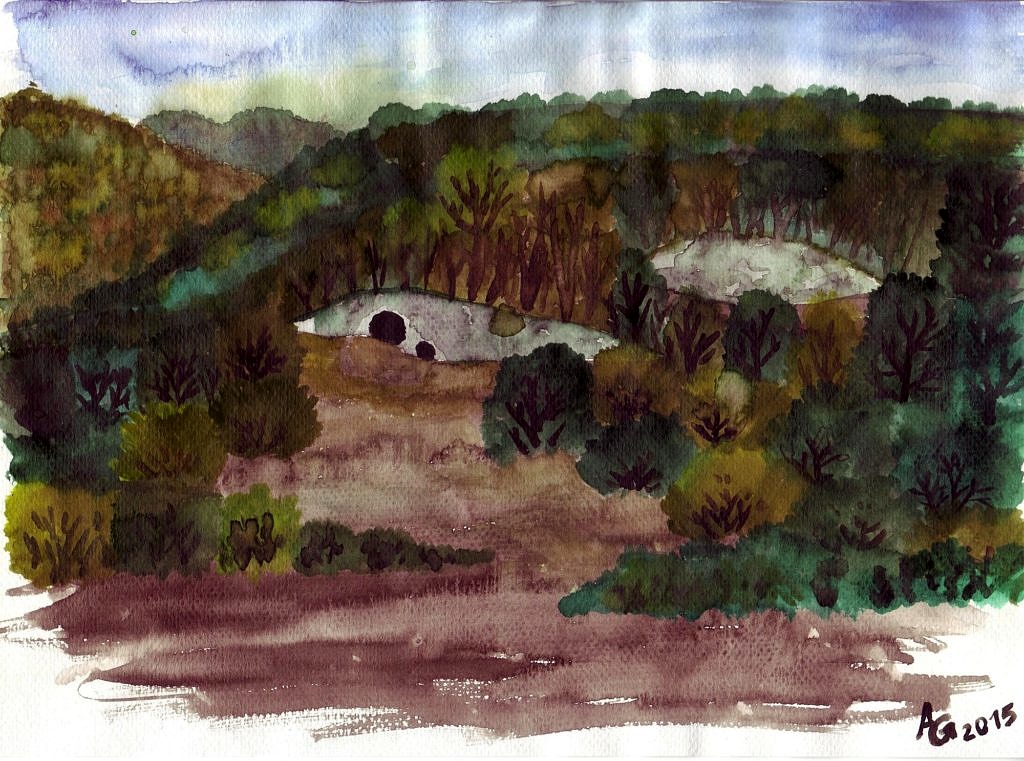
Visit the Excavation site Hunas
Drawing: A. Götz