

Prof. Dr. Karsten Haase
Chair of Endogenous Geodynamics
Tel: +49 (0)9131 8522616
Fax: +49 (0)9131 8529295
karsten.haase@fau.de

| 1986 – 1992 | Studies of Geology at Kiel University and one year at Imperial College of Science and Technology in London |
| 1992 | Diploma at the Geological-Paleontological Institute of Kiel University |
| 1992 – 1995 | Doctoral thesis at the Geological-Paleontological Institute of Kiel University and at the Max-Planck-Institute for Chemistry (Dept. Geochemistry) in Mainz in the DFG Research Training Group “Dynamics of Global Cycles in the Earth System “ |
| 1995 | Promotion at the Christian-Albrechts-University of Kiel |
| 1995 – 1996 | Postdoctoral fellowship of the Max-Planck-Society at the Max-Planck-Institute for Chemistry (Dept. Geochemistry) in Mainz |
| 1996 – 1998 | Research fellowship of the DFG at the Lamont-Doherty Earth Observatory of Columbia University in Palisades, New York. |
| 1998 –2004 | Scientific Assistant at the Institute of Geosciences (Dept. of Geology), Christian-Albrechts-University of Kiel |
| 2002 | Habilitation at the Christian-Albrechts-University of Kiel |
| 2004 –2005 | Academic council at the Institute of Geosciences (Dept. of Geology), Christian-Albrechts-University of Kiel |
| 2006- 2007 | Associate professor at the Department of Earth Sciences, Universität Aarhus, Dänemark |
| Since January 2008 | Professor for Endogeneous Geodynamics at the GeoCenter Northern Bavaria, University of Erlangen-Nuremberg |
2026
- , , , , , , , , :
Tellurium in volcanic and sedimentary systems – from outgassing to sequestration
In: Chemical Geology 720 (2026), Article No.: 123617
ISSN: 0009-2541
DOI: 10.1016/j.chemgeo.2026.123617 - , , , :
Heterogeneous sources beneath a mature plumbing system in the Aegean arc: evidence from the magma evolution of the Milos volcanic system
In: Contributions To Mineralogy and Petrology 181 (2026), Article No.: 56
ISSN: 0010-7999
DOI: 10.1007/s00410-026-02334-9 - , , , :
Growth of the submarine Paphsanias Volcanic Field within the Epidavros tectonic graben in the Western Saronikos Gulf, Aegean Sea
DOI: 10.1144/gslspecpub2024-131 - , , :
Growth and Chemical Evolution of the Kohistan Arc Crust, Northern Pakistan, Western Himalayas
In: Geochemistry Geophysics Geosystems 27 (2026), Article No.: e2025GC012708
ISSN: 1525-2027
DOI: 10.1029/2025GC012708 - , , , , , :
Variation of K-rich magma formation during early Aegean arc migration, NE Greece
In: Chemical Geology 723 (2026), Article No.: 123678
ISSN: 0009-2541
DOI: 10.1016/j.chemgeo.2026.123678
2025
- , , , , , :
Tellurium and Mercury in Late Cretaceous to Early Eocene Sediments as Proxies for Volcanic Activity in the Deccan and North Atlantic Large Igneous Provinces
In: Geochemistry Geophysics Geosystems 26 (2025), Article No.: e2024GC011967
ISSN: 1525-2027
DOI: 10.1029/2024GC011967 - , , , , :
Geochemistry of the sheeted dyke complex, Troodos Ophiolite (Cyprus): Evidence for the magmatic evolution during subduction initiation
In: Chemical Geology 681 (2025), Article No.: 122743
ISSN: 0009-2541
DOI: 10.1016/j.chemgeo.2025.122743 - , , , , , , , :
Young boninitic lavas from the northern Tonga fore-arc unrelated to subduction initiation
In: Chemical Geology 674 (2025), Article No.: 122587
ISSN: 0009-2541
DOI: 10.1016/j.chemgeo.2024.122587 - , , , , , , , , , , , , , , , , , , , , , , , , , , , :
Structural control and depth clustering of extensive hydrothermal venting on the shelf of Milos Island
In: Scientific Reports 15 (2025), Article No.: 42359
ISSN: 2045-2322
DOI: 10.1038/s41598-025-26398-y - , , :
Changes in the global P cycle in the Neoproterozoic recorded by the compositions of arc lavas
In: Chemical Geology 691 (2025), Article No.: 122937
ISSN: 0009-2541
DOI: 10.1016/j.chemgeo.2025.122937
2024
- , , , , , , :
Source variations in volatile contents of Bransfield Strait back-arc and Phoenix/West Scotia mid-ocean ridge lavas, northern Antarctic Peninsula
In: Chemical Geology 646 (2024), Article No.: 121839
ISSN: 0009-2541
DOI: 10.1016/j.chemgeo.2023.121839 - , , , , , , , , :
Linking the PETM and North Atlantic volcanism using tellurium in sediments
In: Palaeogeography, Palaeoclimatology, Palaeoecology 656 (2024), Article No.: 112575
ISSN: 0031-0182
DOI: 10.1016/j.palaeo.2024.112575 - , , , , , , , :
The geodynamics of plume-influenced mid-ocean ridges: insights from the Foundation Segment of the Pacific-Antarctic Ridge
In: Frontiers in Earth Science 12 (2024), Article No.: 1456429
ISSN: 2296-6463
DOI: 10.3389/feart.2024.1456429 - , , , , , , , , :
Pyrite trace element proxies for magmatic volatile influx in submarine subduction-related hydrothermal systems
In: Geochimica Et Cosmochimica Acta 373 (2024), p. 52-67
ISSN: 0016-7037
DOI: 10.1016/j.gca.2024.03.026 - , , , , , , , , , , , :
Insights into fluid evolution and Re enrichment by mineral micro-analysis and fluid inclusion constraints: Evidence from the Maronia Cu-Mo ± Re ± Au porphyry system in NE Greece
In: Mineralium Deposita (2024)
ISSN: 0026-4598
DOI: 10.1007/s00126-024-01273-4 - , , , :
Slab steepening and rapid mantle wedge replacement during back-arc rifting in the New Hebrides
In: Nature Communications 15 (2024), Article No.: 6070
ISSN: 2041-1723
DOI: 10.1038/s41467-024-50445-3 - , , , :
Magmatic Evolution of the Fossil Melanesian Island Arc: Evidence From Lower Miocene Lavas of Malekula Island (Vanuatu)
In: Geochemistry Geophysics Geosystems 25 (2024), Article No.: e2023GC011187
ISSN: 1525-2027
DOI: 10.1029/2023GC011187 - , , , , , , , , , , , :
Magmatic and hydrothermal evolution of the Skouries Au-Cu porphyry deposit, northern Greece
In: Ore Geology Reviews 173 (2024), Article No.: 106233
ISSN: 0169-1368
DOI: 10.1016/j.oregeorev.2024.106233 - , , , , , , , :
Magmatic evolution of the Schiel Alkaline Complex, Bushveld large igneous province, South Africa
In: Lithos 466-467 (2024), Article No.: 107464
ISSN: 0024-4937
DOI: 10.1016/j.lithos.2023.107464 - , , , , :
Magnetic response contrast of Oligo-Miocene basaltic magmatism and structural control during its ascent at the northern tip of the Red Sea Rift
In: Journal of African Earth Sciences 214 (2024), Article No.: 105263
ISSN: 1464-343X
DOI: 10.1016/j.jafrearsci.2024.105263 - , , , , , , :
Synchronous motion of the Easter mantle plume and the East Pacific Rise
In: Nature Communications 15 (2024), Article No.: 9953
ISSN: 2041-1723
DOI: 10.1038/s41467-024-54115-2
2023
- , , , , , , :
Tracing mantle components and the effect of subduction processes beneath the northern Antarctic Peninsula
In: Geochimica Et Cosmochimica Acta 343 (2023), p. 234-249
ISSN: 0016-7037
DOI: 10.1016/j.gca.2022.11.018 - , , , , , , :
Magmatic evolution of the migrating central Urumieh–Dokhtar arc, Iran: implications for magma production
In: International Journal of Earth Sciences (2023)
ISSN: 1437-3254
DOI: 10.1007/s00531-023-02314-5 - , , , , , , , :
Sources, transport, and deposition of metal(loid)s recorded by sulfide and rock geochemistry: constraints from a vertical profile through the epithermal Profitis Ilias Au prospect, Milos Island, Greece
In: Mineralium Deposita (2023)
ISSN: 0026-4598
DOI: 10.1007/s00126-023-01170-2 - , , , , , , :
Evidence for compositionally distinct upper mantle plumelets since the early history of the Tristan-Gough hotspot
In: Nature Communications 14 (2023), Article No.: 3908
ISSN: 2041-1723
DOI: 10.1038/s41467-023-39585-0 - , , , :
Systematic and Temporal Geochemical Changes in the Upper Deccan Lavas: Implications for the Magma Plumbing System of Flood Basalt Provinces
In: Geochemistry Geophysics Geosystems 24 (2023), Article No.: e2022GC010750
ISSN: 1525-2027
DOI: 10.1029/2022GC010750 - , , , :
Reply to Comments by Kale and Pande on: “Machine-learning based re-classification of the stratigraphy of the Rajahmundry Traps, India”
In: Journal of Volcanology and Geothermal Research (2023), Article No.: 107822
ISSN: 0377-0273
DOI: 10.1016/j.jvolgeores.2023.107822 - , , , , :
Melts from hydrous depleted back-arc mantle at a young boninitic volcano on the flank of Valu Fa Ridge (Lau basin, SW Pacific)
In: Contributions To Mineralogy and Petrology 178 (2023), Article No.: 70
ISSN: 0010-7999
DOI: 10.1007/s00410-023-02053-5 - , , , :
Effects of variable slab components and tectonics on magma composition in the intra-oceanic Kermadec Arc-Backarc system
In: Chemical Geology 616 (2023), Article No.: 121246
ISSN: 0009-2541
DOI: 10.1016/j.chemgeo.2022.121246
2022
- , , , , , :
The submarine Azores Plateau: Evidence for a waning mantle plume?
In: Marine Geology 451 (2022), Article No.: 106858
ISSN: 0025-3227
DOI: 10.1016/j.margeo.2022.106858 - , , , , , , , :
In-situ trace element and S isotope systematics in pyrite from three porphyry-epithermal prospects, Limnos Island, Greece
In: Frontiers in Earth Science 10 (2022), Article No.: 916107
ISSN: 2296-6463
DOI: 10.3389/feart.2022.916107 - , , , , , , , , , , :
Spatial Variations in Magmatic Volatile Influx and Fluid Boiling in the Submarine Hydrothermal Systems of Niuatahi Caldera, Tonga Rear-Arc
In: Geochemistry Geophysics Geosystems 23 (2022)
ISSN: 1525-2027
DOI: 10.1029/2021GC010259 - , , , :
The high-K calc-alkaline to shoshonitic volcanism of Limnos, Greece: implications for the geodynamic evolution of the northern Aegean
In: Contributions To Mineralogy and Petrology 177 (2022)
ISSN: 0010-7999
DOI: 10.1007/s00410-022-01940-7 - , , , , , , :
Effects of the Hydrous Domain in the Mantle Wedge on Magma Formation and Mixing at the Northeast Lau Spreading Center, SW Pacific
In: Geochemistry Geophysics Geosystems 23 (2022), Article No.: e2021GC010066
ISSN: 1525-2027
DOI: 10.1029/2021GC010066 - , , , , , , :
Mantle plume and rift-related volcanism during the evolution of the Rio Grande Rise
In: Communications Earth & Environment 3 (2022), Article No.: 18
ISSN: 2662-4435
DOI: 10.1038/s43247-022-00349-1 - , , , :
Machine learning-based re-classification of the geochemical stratigraphy of the Rajahmundry Traps, India
In: Journal of Volcanology and Geothermal Research 428 (2022), Article No.: 107594
ISSN: 0377-0273
DOI: 10.1016/j.jvolgeores.2022.107594 - , , , :
Phase separation and fluid mixing revealed by trace element signatures in pyrite from porphyry systems
In: Geochimica Et Cosmochimica Acta 329 (2022), p. 185-205
ISSN: 0016-7037
DOI: 10.1016/j.gca.2022.05.015 - , , , , , , , , :
Hydrothermal activity and associated subsurface processes at Niuatahi rear-arc volcano, North East Lau Basin, SW Pacific: Implications from trace elements and stable isotope systematics in vent fluids
In: Geochimica Et Cosmochimica Acta (2022)
ISSN: 0016-7037
DOI: 10.1016/j.gca.2022.06.023 - , , , , , :
Growth of the upper crust in intra-oceanic island arcs by intrusion of basaltic magmas: the case of the Koloula Igneous Complex, Guadalcanal, Solomon Islands (SW Pacific)
In: Contributions To Mineralogy and Petrology 177 (2022), Article No.: 107
ISSN: 0010-7999
DOI: 10.1007/s00410-022-01972-z - , , , , :
Extreme geochemical heterogeneity beneath the North Tonga Arc: Interaction of a subduction zone with intraplate seamount chains
In: Chemical Geology 603 (2022), Article No.: 120903
ISSN: 0009-2541
DOI: 10.1016/j.chemgeo.2022.120903 - , , , :
Compositional variation of mafic calc-alkaline lavas at the submarine Pausanias Volcanic Field, western South Aegean Volcanic Arc: Implications for magma formation and ascent
In: Lithos 424-425 (2022), Article No.: 106760
ISSN: 0024-4937
DOI: 10.1016/j.lithos.2022.106760
2021
- , , , , , , :
Geologic and Structural Evolution of the NE Lau Basin, Tonga: Morphotectonic Analysis and Classification of Structures Using Shallow Seismicity
In: Frontiers in Earth Science 9 (2021), Article No.: 665185
ISSN: 2296-6463
DOI: 10.3389/feart.2021.665185 - , , , , , , , , , :
Effects of fluid boiling on Au and volatile element enrichment in submarine arc-related hydrothermal systems
In: Geochimica Et Cosmochimica Acta (2021)
ISSN: 0016-7037
DOI: 10.1016/j.gca.2021.05.047 - , :
Chapter 3.2b Bransfield Strait and James Ross Island: petrology
In: J. L. Smellie, K. S. Panter, A. Geyer (ed.): Volcanism in Antarctica: 200 Million Years of Subduction, Rifting and Continental Break-up, 2021 (Geological Society, London, Memoirs, Vol.55)
DOI: 10.1144/M55-2018-37 - , , , , , , , , :
Trace element fractionation and precipitation in submarine back-arc hydrothermal systems, Nifonea caldera, New Hebrides subduction zone
In: Ore Geology Reviews 135 (2021), Article No.: 104211
ISSN: 0169-1368
DOI: 10.1016/j.oregeorev.2021.104211 - , , , , , , , , , , , , :
Trace Element and Isotope Systematics in Vent Fluids and Sulphides From Maka Volcano, North Eastern Lau Spreading Centre: Insights Into Three-Component Fluid Mixing
In: Frontiers in Earth Science 9 (2021)
ISSN: 2296-6463
DOI: 10.3389/feart.2021.776925 - , , , , , , , , :
Trace Element Signatures in Pyrite and Marcasite From Shallow Marine Island Arc-Related Hydrothermal Vents, Calypso Vents, New Zealand, and Paleochori Bay, Greece
In: Frontiers in Earth Science 9 (2021)
ISSN: 2296-6463
DOI: 10.3389/feart.2021.641654 - , , , , , , , :
SO2 disproportionation impacting hydrothermal sulfur cycling: Insights from multiple sulfur isotopes for hydrothermal fluids from the Tonga-Kermadec intraoceanic arc and the NE Lau Basin
In: Chemical Geology 586 (2021), Article No.: 120586
ISSN: 0009-2541
DOI: 10.1016/j.chemgeo.2021.120586 - , , , , :
The Evolution of Central Volcanoes in Ultraslow Rift Systems: Constraints From D. João de Castro Seamount, Azores
In: Tectonics 40 (2021), Article No.: e2020TC006663
ISSN: 0278-7407
DOI: 10.1029/2020TC006663 - , , , , , , , :
Boiling effects on trace element and sulfur isotope compositions of sulfides in shallow-marine hydrothermal systems: Evidence from Milos Island, Greece
In: Chemical Geology 583 (2021), p. 120457
ISSN: 0009-2541
DOI: 10.1016/j.chemgeo.2021.120457 - , , , , :
Migration of Arc Magmatism Above Mantle Wedge Diapirs With Variable Sediment Contribution in the Aegean
In: Geochemistry Geophysics Geosystems 22 (2021), Article No.: e2020GC009565
ISSN: 1525-2027
DOI: 10.1029/2020GC009565
URL: https://agupubs.onlinelibrary.wiley.com/doi/full/10.1029/2020GC009565 - , , , , , :
The formation of shoshonitic magma and its relationship to porphyry-type mineralisation: the Maronia pluton in NE Greece
In: Lithos 380-381 (2021), Article No.: 105911
ISSN: 0024-4937
DOI: 10.1016/j.lithos.2020.105911 - , , , , :
Volcanic Structures and Magmatic Evolution of the Vesteris Seamount, Greenland Basin
In: Frontiers in Earth Science 9 (2021), Article No.: 711910
ISSN: 2296-6463
DOI: 10.3389/feart.2021.711910 - , , , , , , , :
Arsenian pyrite and cinnabar from active submarine nearshore vents, paleochori bay, milos island, Greece
In: Minerals 11 (2021), p. 1-25
ISSN: 2075-163X
DOI: 10.3390/min11010014
2020
- , , , , , :
Cumulate olivine: A novel host for heavy rare earth element mineralization
In: Geology 49 (2020)
ISSN: 0091-7613
DOI: 10.1130/G48417.1 - , , , , :
Formation of the Vergenoeg F-Fe-REE deposit (South Africa) by accumulation from a ferroan silicic magma
In: Journal of Petrology (2020)
ISSN: 0022-3530
DOI: 10.1093/petrology/egaa010 - , , , , , , :
Evolution of Magmatism in the New Hebrides Island Arc and in Initial Back-Arc Rifting, SW Pacific
In: Geochemistry Geophysics Geosystems 21 (2020), Article No.: e2020GC008946
ISSN: 1525-2027
DOI: 10.1029/2020GC008946 - , , , , , , , , , , , :
Mineralogical constraints on the potassic and sodic-calcic hydrothermal alteration and vein-type mineralization of the maronia porphyry cu-mo ± re ± au deposit in NE greece
In: Minerals 10 (2020), Article No.: 182
ISSN: 2075-163X
DOI: 10.3390/min10020182 - , , , , , , :
Tellurium in Late Permian-Early Triassic Sediments as a Proxy for Siberian Flood Basalt Volcanism
In: Geochemistry Geophysics Geosystems 21 (2020), Article No.: e2020GC009064
ISSN: 1525-2027
DOI: 10.1029/2020GC009064 - , , , , :
Chemical evolution of calc-alkaline magmas during the ascent through continental crust: constraints from Methana, Aegean arc
In: Journal of Petrology (2020)
ISSN: 0022-3530
DOI: 10.1093/petrology/egaa036 - , , , , :
Rifting of the oceanic Azores Plateau with episodic volcanic activity
In: Scientific Reports 10 (2020), Article No.: 19718
ISSN: 2045-2322
DOI: 10.1038/s41598-020-76691-1 - , , , :
Enrichment of H2O and fluid-soluble trace elements in the Troodos Ophiolite: Evidence for a near-trench origin
In: Lithos 356 (2020), Article No.: 105299
ISSN: 0024-4937
DOI: 10.1016/j.lithos.2019.105299
2019
- , , , , , :
Reply to discussion by RN Scoon and AA Mitchell on 'Oxygen isotope and trace element compositions of platiniferous dunite pipes of the Bushveld Complex, South Africa - Signals from a recycled mantle component?'
In: Lithos 324 (2019), p. 899-901
ISSN: 0024-4937
DOI: 10.1016/j.lithos.2018.12.006 - , , :
A comparison of the magmatic evolution of pacific intraplate volcanoes: Constraints on melting in mantle plumes
In: Frontiers in Earth Science 6 (2019), Article No.: 242
ISSN: 2296-6463
DOI: 10.3389/feart.2018.00242 - , , , , :
Variation of melting processes and magma sources of the early Deccan flood basalts, Malwa Plateau, India
In: Earth and Planetary Science Letters 524 (2019)
ISSN: 0012-821X
DOI: 10.1016/j.epsl.2019.115711 - , , , , , , :
Trace element systematics and ore-forming processes in mafic VMS deposits: Evidence from the Troodos ophiolite, Cyprus
In: Ore Geology Reviews 106 (2019), p. 205-225
ISSN: 0169-1368
DOI: 10.1016/j.oregeorev.2019.01.024 - , , , , , , , , , , :
Trace elements in magnetite from the pagoni rachi porphyry prospect, NE Greece: Implications for ore genesis and exploration
In: Minerals 9 (2019), Article No.: 725
ISSN: 2075-163X
DOI: 10.3390/min9120725 - , , , , :
Progressive Changes in Magma Transport at the Active Serreta Ridge, Azores
In: Geochemistry Geophysics Geosystems (2019)
ISSN: 1525-2027
DOI: 10.1029/2019GC008562 - , , , , , , , , , , , , , , , , , , , , , :
Porphyry and epithermal deposits in Greece: An overview, new discoveries, and mineralogical constraints on their genesis
In: Ore Geology Reviews 107 (2019), p. 654-691
ISSN: 0169-1368
DOI: 10.1016/j.oregeorev.2019.03.019 - , , , :
Geochemical mapping of a paleo-subduction zone beneath the Troodos Ophiolite
In: Chemical Geology (2019)
ISSN: 0009-2541
DOI: 10.1016/j.chemgeo.2019.05.041
2018
- , , , :
Tectonic control on the genesis of magmas in the New Hebrides arc (Vanuatu)
In: Lithos (2018), p. 290-307
ISSN: 0024-4937
DOI: 10.1016/j.lithos.2018.05.011 - , , , , , :
Oxygen isotope and trace element compositions of platiniferous dunite pipes of the Bushveld Complex, South Africa - Signals from a recycled mantle component?
In: Lithos 310 (2018), p. 332-341
ISSN: 0024-4937
DOI: 10.1016/j.lithos.2018.04.017 - , , , , , :
Oxygen isotope and trace element compositions of platiniferous dunite pipes of the Bushveld Complex, South Africa – Signals from a recycled mantle component?
In: Lithos 310-311 (2018), p. 332-341
ISSN: 0024-4937
DOI: 10.1016/j.lithos.2018.04.017 - , , , :
Mantle sources and magma evolution of the Rooiberg lavas, Bushveld Large Igneous Province, South Africa
In: Contributions To Mineralogy and Petrology 173 (2018)
ISSN: 0010-7999
DOI: 10.1007/s00410-018-1477-y - , , , :
Mantle sources and magma evolution of the Rooiberg lavas, Bushveld Large Igneous Province, South Africa
In: Contributions To Mineralogy and Petrology 173 (2018), Article No.: 51
ISSN: 0010-7999
DOI: 10.1007/s00410-018-1477-y - , , , , :
Evolution and genesis of calc-alkaline magmas at the Paphsanias Volcanic Field, Aegean Arc
GeoBonn2018 (Bonn, 2. September 2018 - 6. September 2018) - , , , , , :
Constraints on the source of Cu in a submarine magmatic-hydrothermal system, Brothers volcano, Kermadec island arc
In: Contributions To Mineralogy and Petrology 173 (2018)
ISSN: 0010-7999
DOI: 10.1007/s00410-018-1470-5 - , , , :
Correlated Changes Between Volcanic Structures and Magma Composition in the Faial Volcanic System, Azores
In: Frontiers in Earth Science 6 (2018)
ISSN: 2296-6463
DOI: 10.3389/feart.2018.00078 - , , , , , :
Upper crustal fluids in a large fault system: microstructural, trace element and oxygen isotope study on multi-phase vein quartz at the Bavarian Pfahl, SE Germany
In: International Journal of Earth Sciences (2018)
ISSN: 1437-3254
DOI: 10.1007/s00531-018-1666-y
URL: https://link.springer.com/article/10.1007/s00531-018-1666-y - , , , , , , , , :
Cretaceous seawater and hydrothermal fluid compositions recorded in abiogenic carbonates from the Troodos Ophiolite, Cyprus
In: Chemical Geology (2018)
ISSN: 0009-2541
DOI: 10.1016/j.chemgeo.2018.07.014 - , , , , , , :
Evidence for melting of subducting carbonate-rich sediments in the western Aegean Arc
In: Chemical Geology (2018)
ISSN: 0009-2541
DOI: 10.1016/j.chemgeo.2018.03.014 - , , , , :
Petrogenesis of boninitic lavas from the Troodos Ophiolite, and comparison with Izu-Bonin-Mariana fore-arc crust
In: Earth and Planetary Science Letters 498 (2018), p. 203-214
ISSN: 0012-821X
DOI: 10.1016/j.epsl.2018.06.041 - , , , , :
Petrogenesis of boninitic lavas from the Troodos Ophiolite, and comparison with Izu–Bonin–Mariana fore-arc crust
In: Earth and Planetary Science Letters (2018)
DOI: 10.1016/j.epsl.2018.06.041
2017
- , , , :
Primitive andesites from the Taupo Volcanic Zone formed by magma mixing
In: Contributions To Mineralogy and Petrology 172 (2017), Article No.: 33
ISSN: 0010-7999
DOI: 10.1007/s00410-017-1354-0 - , , , , , :
Trace element and isotope geochemistry of the Northern and Central Tongan Islands with an emphasis on the genesis of High Nb/Ta signatures at the Northern Volcanoes of Tafahi and Niuatoputapu
In: Journal of Petrology 58 (2017), p. 1073-1106
ISSN: 0022-3530
DOI: 10.1093/petrology/egx047 - , , , , :
Systematic variations in magmatic sulphide chemistry from mid-ocean ridges, back-arc basins and island arcs
In: Chemical Geology 451 (2017), p. 67-77
ISSN: 0009-2541
DOI: 10.1016/j.chemgeo.2016.12.028 - , , , , , , :
Magmatic evolution and source variations at the Nifonea Ridge (New Hebrides Island Arc)
In: Journal of Petrology 58 (2017), p. 473-494
ISSN: 1460-2415
DOI: 10.1093/petrology/egx023 - , , , :
Intraplate magmatism and extensional tectonics: an example from Faial Island, Azores
Goldschmidt Conference 2017 (Paris, France, 13. August 2017 - 18. August 2017)
In: Goldschmidt2017 Abstract 2017 - , , , , , , , , :
Boiling vapour-type fluids from the Nifonea vent field (New Hebrides Back-Arc, Vanuatu, SW Pacific): Geochemistry of an early-stage, post-eruptive hydrothermal system
In: Geochimica Et Cosmochimica Acta 207 (2017), p. 185-209
ISSN: 0016-7037
DOI: 10.1016/j.gca.2017.03.016 - , , , , , , , , :
Boiling vapour-type fluids from the Nifonea vent field (New Hebrides Back-Arc, Vanuatu, SW Pacific): Geochemistry of an early-stage, post-eruptive hydrothermal system
In: Geochimica Et Cosmochimica Acta 207 (2017), p. 185-209
ISSN: 0016-7037
DOI: 10.1016/j.gca.2017.03.016 - , , , , , , , , :
Boiling vapour-type fluids from the Nifonea vent field (New Hebrides Back-Arc, Vanuatu, SW Pacific): Geochemistry of an early-stage, post-eruptive hydrothermal system
In: Geochimica Et Cosmochimica Acta 207 (2017), p. 185-209
ISSN: 0016-7037
DOI: 10.1016/j.gca.2017.03.016 - , , , :
The origin of evolved volcanic rocks in Methana, Greece
Goldschmidt 2017 (Palais des Congrès de Paris 2 Place de la Porte Maillot, 75017 Paris, France, 13. August 2017 - 18. August 2017) - , , , :
Geodynamic constraints from glass geochemistry in the Troodos ophiolite
GeoBremen2017 (Bremen, 24. September 2017 - 29. November 2017) - , , , :
The geochemical stratigraphy of lavas from the Troodos Ophiolite
Goldschmidt 2017 Paris (Palais des Congrès de Paris 2 Place de la Porte Maillot, 75017 Paris, France, 13. August 2017 - 18. November 2017) - , , , , , , , , :
Lower crustal hydrothermal circulation at slow-spreading ridges: evidence from chlorine in Arctic and South Atlantic basalt glasses and melt inclusions
In: Contributions To Mineralogy and Petrology 172 (2017), Article No.: 97
ISSN: 0010-7999
DOI: 10.1007/s00410-017-1418-1
2016
- , , , , , , :
Tectonic focusing of voluminous basaltic eruptions in magma-deficient backarc rifts
In: Earth and Planetary Science Letters 440 (2016), p. 43-55
ISSN: 0012-821X
DOI: 10.1016/j.epsl.2016.02.002 - , , , , , :
The timescales of magma evolution at mid-ocean ridges
In: Lithos (2016), p. 49-68
ISSN: 0024-4937
DOI: 10.1016/j.lithos.2015.10.020 - , , , , , , , :
Comparing the nature of the western and eastern Azores mantle
In: Geochimica Et Cosmochimica Acta 172 (2016), p. 76-92
ISSN: 0016-7037
DOI: 10.1016/j.gca.2015.08.019 - , , , , :
Spatial variability of source composition and petrogenesis in rift and rift flank alkaline lavas from the Eger Rift, Central Europe
In: Chemical Geology (2016)
ISSN: 0009-2541
DOI: 10.1016/j.chemgeo.2016.11.003 - , , , , , , , :
Compositional variation and 226Ra-230Th model ages of axial lavas from the southern Mid-Atlantic Ridge, 8°48′S
In: Geochemistry Geophysics Geosystems 17 (2016), p. 199-218
ISSN: 1525-2027
DOI: 10.1002/2015GC006016 - , , , , , :
Constraints on the magmatic evolution of the oceanic crust from plagiogranite intrusions in the Oman ophiolite
In: Contributions To Mineralogy and Petrology 171 (2016), Article No.: 46
ISSN: 0010-7999
DOI: 10.1007/s00410-016-1261-9 - , , , , :
Systematic variations of trace element and sulfur isotope compositions in pyrite with stratigraphic depth in the Skouriotissa volcanic-hosted massive sulfide deposit, Troodos ophiolite, Cyprus
In: Chemical Geology 423 (2016), p. 7-18
ISSN: 0009-2541 - , , , , :
Trace element systematics of pyrite from submarine hydrothermal vents
In: Ore Geology Reviews 72 (2016), p. 728-745
ISSN: 0169-1368
DOI: 10.1016/j.oregeorev.2015.07.012 - , , :
Controls on melting at spreading ridges from correlated abyssal peridotite - mid-ocean ridge basalt compositions
In: Earth and Planetary Science Letters 449 (2016), p. 1-11
ISSN: 0012-821X
DOI: 10.1016/j.epsl.2016.05.017
2015
- , , :
Geochemical and geochronological constraints on the evolution of the Azores Plateau
Geological Society of America, 2015
ISBN: 9780813725116
DOI: 10.1130/2015.2511(02) - , , , , , :
Magmatic evidence for carbonate metasomatism in the lithospheric mantle underneath the Ohře (Eger) Rift
In: Journal of Petrology 56 (2015), p. 1743-1774
ISSN: 1460-2415
DOI: 10.1093/petrology/egv052 - , , , , :
Melts of sediments in the mantle wedge of the Oman ophiolite
In: Geology 43 (2015), p. 275-278
ISSN: 0091-7613
DOI: 10.1130/G36451.1 - , , , , :
Formation of andesite melts and Ca-rich plagioclase in the submarine Monowai volcanic system, Kermadec arc
In: Geochemistry Geophysics Geosystems 16 (2015), p. 4130-4152
ISSN: 1525-2027
DOI: 10.1002/2015GC005884 - , , , , , , , :
Mid-ocean ridge basalt generation along the slow-spreading, South Mid-Atlantic Ridge (5-11°S): Inferences from 238U- 230Th- 226Ra disequilibria
In: Geochimica Et Cosmochimica Acta 169 (2015), p. 152-166
ISSN: 0016-7037
DOI: 10.1016/j.gca.2015.07.036 - , , , , , , , :
Metallogenesis of the Zhibo and Chagangnuoer volcanic iron oxide deposits in the Awulale Iron Metallogenic Belt, Western Tianshan orogen, China
In: Journal of Asian Earth Sciences 113 (2015), p. 151-172
ISSN: 1367-9120
DOI: 10.1016/j.jseaes.2014.06.004
2014
- , , , , , , , , , , :
Melt generation beneath Arctic Ridges: Implications from U decay series disequilibria in the Mohns, Knipovich, and Gakkel Ridges
In: Geochimica Et Cosmochimica Acta 127 (2014), p. 140-170
ISSN: 0016-7037
DOI: 10.1016/j.gca.2013.11.031 - , , , , :
Constraints on the formation of geochemically variable plagiogranite intrusions in the Troodos Ophiolite, Cyprus
In: Contributions To Mineralogy and Petrology 167 (2014), p. 1-22
ISSN: 0010-7999
DOI: 10.1007/s00410-014-0978-6 - , , , , , , :
Lithium and boron isotope systematics in lavas from the Azores islands reveal crustal assimilation
In: Chemical Geology 373 (2014), p. 27-36
ISSN: 0009-2541
DOI: 10.1016/j.chemgeo.2014.02.024 - , , , :
The magmatic evolution of young island arc crust observed in gabbroic to tonalitic xenoliths from Raoul Island, Kermadec Island Arc
In: Lithos 210-211 (2014), p. 199-208
ISSN: 0024-4937
DOI: 10.1016/j.lithos.2014.10.005 - , , , , , :
Effects of temperature, sulfur, and oxygen fugacity on the composition of sphalerite from submarine hydrothermal vents
In: Geology 42 (2014), p. 699-702
ISSN: 0091-7613
DOI: 10.1130/G35655.1 - , , , , , , , , :
Formation of the Troodos Ophiolite at a triple junction: Evidence from trace elements in volcanic glass
In: Chemical Geology 386 (2014), p. 66-79
ISSN: 0009-2541
DOI: 10.1016/j.chemgeo.2014.08.006 - , , , , , , , , , , , , , :
Subduction of the oceanic Hikurangi Plateau and its impact on the Kermadec arc
In: Nature Communications 5 (2014), Article No.: 4923
ISSN: 2041-1723
DOI: 10.1038/ncomms5923 - , , , , , , , :
Louisville Seamount Chain: Petrogenetic processes and geochemical evolution of the mantle source
In: Geochemistry Geophysics Geosystems 15 (2014), p. 2380-2400
ISSN: 1525-2027
DOI: 10.1002/2014GC005288 - , , , , , , , :
Metallogenesis of the Zhibo and Chagangnuoer volcanic iron oxide deposits in the Awulale Iron Metallogenic Belt, Western Tianshan orogen, China
In: Journal of Asian Earth Sciences (2014)
ISSN: 1367-9120
DOI: 10.1016/j.jseaes.2014.06.004
2013
- , , , , , , , , , :
Geochemical evidence for melting of carbonated peridotite on Santa Maria Island, Azores
In: Contributions To Mineralogy and Petrology 165 (2013), p. 823-841
ISSN: 0010-7999
DOI: 10.1007/s00410-012-0837-2 - , , , :
High mantle temperatures following rifting caused by continental insulation
In: Nature Geoscience 6 (2013), p. 391-394
ISSN: 1752-0894
DOI: 10.1038/ngeo1758 - , , :
Multiple ways of producing intermediate and silicic rocks within Thingmúli and other Icelandic volcanoes
In: Contributions To Mineralogy and Petrology 166 (2013), p. 471-490
ISSN: 0010-7999
DOI: 10.1007/s00410-013-0886-1 - , , , , , :
The Relationships Between Volcanism, Tectonism, and Hydrothermal Activity on the Southern Equatorial Mid-Atlantic Ridge
wiley, 2013
ISBN: 9780875904788
DOI: 10.1029/2008GM000756 - , , , :
Oxygen isotope evidence for the formation of andesitic-dacitic magmas from the fast-spreading Pacific-Antarctic Rise by assimilation-fractional crystallisation
In: Chemical Geology 347 (2013), p. 271-283
ISSN: 0009-2541
DOI: 10.1016/j.chemgeo.2013.04.013 - , , , , , :
Oxygen isotopes in the Azores islands: Crustal assimilation recorded in olivine
In: Geology 41 (2013), p. 491-494
ISSN: 0091-7613
DOI: 10.1130/G33911.1 - , , , , , :
Petrogenesis of tertiary hornblende-bearing lavas in the rhön, germany
In: Journal of Petrology 54 (2013), p. 2095-2123
ISSN: 0022-3530
DOI: 10.1093/petrology/egt042 - , , , , , , , , :
Constraints on past plate and mantle motion from new ages for the Hawaiian-Emperor Seamount Chain
In: Geochemistry Geophysics Geosystems 14 (2013), p. 4564-4584
ISSN: 1525-2027
DOI: 10.1002/ggge.20267 - , , , :
Petrology and geochemistry of the Tertiary Suez rift volcanism, Sinai, Egypt
In: Journal of Volcanology and Geothermal Research 267 (2013), p. 119-137
ISSN: 0377-0273
DOI: 10.1016/j.jvolgeores.2013.10.005
2012
- , , :
Conditions of melting beneath the Azores
In: Lithos (2012), p. 1-11
ISSN: 0024-4937
DOI: 10.1016/j.lithos.2012.02.019 - , , , , , , :
Volcanism on the flanks of the East Pacific Rise: Quantitative constraints on mantle heterogeneity and melting processes
In: Chemical Geology (2012), p. 41-56
ISSN: 0009-2541
DOI: 10.1016/j.chemgeo.2011.12.015 - , , , , :
Magmatic evolution of the South Shetland Islands, Antarctica, and implications for continental crust formation
In: Contributions To Mineralogy and Petrology 163 (2012), p. 1103-1119
ISSN: 0010-7999
DOI: 10.1007/s00410-012-0719-7
2011
- , , , , , :
A revised 87Sr/86Sr curve for the Silurian: Implications for global ocean chemistry and the silurian timescale
In: Journal of Geology 119 (2011), p. 335-349
ISSN: 0022-1376
DOI: 10.1086/660117 - :
Geochemistry of the Oceanic Crust
John Wiley and Sons, 2011
ISBN: 9781405193382
DOI: 10.1002/9781444329957.ch4 - , , , , , , , :
Magmatic evolution of a dying spreading axis: evidence for the interaction of tectonics and mantle heterogeneity from the fossil Phoenix Ridge, Drake Passage
In: Chemical Geology 280 (2011), p. 115-125
ISSN: 0009-2541
DOI: 10.1016/j.chemgeo.2010.11.002 - , , , :
Oxygen isotope evidence for the formation of silicic Kermadec island arc and Havre-Lau backarc magmas by fractional crystallization.
In: Earth and Planetary Science Letters 309 (2011), p. 348-355
ISSN: 0012-821X
DOI: 10.1016/j.epsl.2011.07.014 - , , , , , :
Insights into mantle composition and mantle melting beneath mid-ocean ridges from postspreading volcanism on the fossil Galapagos Rise
In: Geochemistry Geophysics Geosystems 12 (2011), Article No.: Q0AC11
ISSN: 1525-2027
DOI: 10.1029/2010GC003482 - , , , , , :
On- and off-axis chemical heterogeneities along the South Atlantic Mid-Ocean-Ridge (5-11°S): Shallow or deep recycling of ocean crust and/or intraplate volcanism?
In: Earth and Planetary Science Letters 306 (2011), p. 86-97
ISSN: 0012-821X
DOI: 10.1016/j.epsl.2011.03.032 - , :
The evolution of the Arabian lower crust and lithospheric mantle - geochemical constraints from southern Syrian mafic and ultramafic xenoliths
In: Chemical Geology 280 (2011), p. 271-283
ISSN: 0009-2541
DOI: 10.1016/j.chemgeo.2010.11.015
2010
- , , , , , :
The relationships between volcanism, tectonism, and hydrothermal activity on the Southern Equatorial Mid-Atlantic Ridge
In: Diversity of Hydrothermal Systems on Slow Spreading Ocean Ridges, 2010, p. 133-152 (Geophysical Monograph, Vol.188)
DOI: 10.1029/2008GM000756
2009
- , , , , :
A geochemical study of off-axis seamount lavas at the Valu Fa Ridge: constraints on magma genesis and slab contributions in the southern Tonga subduction zone.
In: Lithos 2009 (2009), p. 137-148
ISSN: 0024-4937
DOI: 10.1016/j.lithos.2009.05.041 - , , , , , , , :
Diking, young volcanism and diffuse hydrothermal activity on the southern Mid-Atlantic Ridge: the Lilliput field at 9°33S.
In: Marine Geology 266 (2009), p. 52-64
ISSN: 0025-3227
DOI: 10.1016/j.margeo.2009.07.012 - , , , , , :
Tectonic events, continental intraplate volcanism and mantle plume activity in northern Arabia: constraints from geochemistry and Ar-Ar dating of Syrian lavas.
In: Geochemistry Geophysics Geosystems (2009)
ISSN: 1525-2027
DOI: 10.1029/2008GC002254
2008
- , , , , :
Depths of partial crystallization and H2O contents of MORB inferred from glass compositions: phase equilibria simulations of basalts at the MAR near Ascension Island (7°-11°S).
In: Journal of Petrology 49 (2008), p. 25-45
ISSN: 0022-3530
DOI: 10.1093/petrology/egm068 - , , , , :
Magma genesis by rifting of oceanic lithosphere above anomalous mantle: Terceira Rift, Azores.
In: Geochemistry Geophysics Geosystems (2008), p. doi: 10.1029/2008GC002112
ISSN: 1525-2027
DOI: 10.1029/2008GC002112 - , :
Variation of magma generation and mantle sources during continental rifting observed in Cenozoic lavas from the Eger Rift, Central Europe
In: Chemical Geology 257 (2008), p. 195-205
ISSN: 0009-2541
DOI: 10.1016/j.chemgeo.2008.09.003 - , , :
Plume-ridge interaction revisited: Evidence for melt mixing from He, Ne and Ar isotope and abundance systematics
In: Earth and Planetary Science Letters 268 (2008), p. 424-432
ISSN: 0012-821X
DOI: 10.1016/j.epsl.2008.01.037
2007
- , , :
The peculiar geochemical signatures of São Miguel (Azores) lavas: metasomatised or recycled mantle sources?
In: Earth and Planetary Science Letters 259 (2007), p. 186-199
ISSN: 0012-821X
DOI: 10.1016/j.epsl.2007.04.038 - , , , :
Magma genesis and mantle dynamics at the Harrat Ash Shamah Volcanic Field (southern Syria).
In: Journal of Petrology 48 (2007), p. 1513-1542
ISSN: 0022-3530
DOI: 10.1093/petrology/egm028 - , , :
Neon and helium isotopes as tracers of mantle reservoirs and mantle dynamics.
In: Earth and Planetary Science Letters 258 (2007), p. 334-344
ISSN: 0012-821X
DOI: 10.1016/j.epsl.2007.03.046
2006
- , , :
Magma evolution of the Sete Cidades volcano, São Miguel, Azores.
In: Journal of Petrology 47 (2006), p. 1375-1411
ISSN: 0022-3530
DOI: 10.1093/petrology/egl014 - , , , :
Formation of island arc dacite magmas by extreme crystal fractionation: An example from Brothers Seamount, Kermadec Island Arc (SW Pacific).
In: Journal of Volcanology and Geothermal Research 152 (2006), p. 316-330
ISSN: 0377-0273
DOI: 10.1016/j.jvolgeores.2005.10.010 - , , , , :
Magma genesis and crustal contamination of continental intraplate lavas in NW Syria.
In: Contributions To Mineralogy and Petrology 151 (2006), p. 698-716
ISSN: 0010-7999
DOI: 10.1007/s00410-006-0088-1
2005
- , , , :
Nb-depleted andesites from the Pacific-Antarctic Rise as analogues for early continental crust.
In: Geology 33 (2005), p. 921-924
ISSN: 0091-7613
DOI: 10.1130/G21899.1
2004
- , :
The sources for hotspot volcanism in the South Pacific Ocean.
In: Oceanic Hotspots: Intraplate submarine magmatism and tectonism., Berlin: Springer, 2004, p. 253-284.
ISBN: 3540408592 - , , , , , :
Magmatism in the Bransfield Basin: Rifting of the South Shetland Arc?
In: Journal of Geophysical Research D: Atmospheres 109 (2004), p. ???
ISSN: 0148-0227
DOI: 10.1029/2004JB003046
2003
- , , , , , , :
230Th-238U disequilibrium in East Scotia back-arc basalts: implications for slab contributions
In: Geology 31 (2003), p. , 693-696
ISSN: 0091-7613 - , :
Tectonic control of ocean island basalt sources on São Miguel island, Azores?
In: Geophysical Research Letters 30 (2003)
ISSN: 0094-8276
DOI: 10.1029/2003GL017500 - , , :
Petrology and geochemistry of basalts from the northern Kolbeinsey Ridge, North Atlantic: Implications for magmatic processes and mantle heterogeneity beneath a slow-spreading segment.
In: Contributions To Mineralogy and Petrology 144 (2003), p. 428-448
ISSN: 0010-7999
2002
- , :
Geochemistry and petrology of lavas from the submarine flanks of Réunion Island (western Indian Ocean): Implications for magma genesis and the mantle source.
In: Mineralogy and Petrology 75 (2002), p. 153-184
ISSN: 0930-0708
DOI: 10.1007/s007100200022 - :
Geochemical constraints on magma sources and mixing processes in Easter Microplate MORB (SE Pacific): A case study of plume-ridge interaction.
In: Chemical Geology 182 (2002), p. 335-355
ISSN: 0009-2541
DOI: 10.1016/S0009-2541(01)00327-8 - , , , , :
Mantle dynamics, element re-cycling, and magma genesis beneath the Kermadec ArcHavre Trough.
In: Geochemistry Geophysics Geosystems 3 (2002)
ISSN: 1525-2027
DOI: 10.1029/2002GC000335
1997
- , :
The radiogenic isotope composition of the high-latitude North Atlantic mantle.
In: Geology 25 (1997), p. 411-414
ISSN: 0091-7613
DOI: 10.1130/0091-7613(1997)0252.3.CO;2
1996
- :
The relationship between the age of the lithosphere and the composition of oceanic magmas: Constraints on partial melting, mantle sources and the thermal structure of the plates.
In: Earth and Planetary Science Letters 144 (1996), p. 75-92
ISSN: 0012-821X
1994
- , :
The petrology and geochemistry of Vesteris Seamount, Greenland Basin: An intraplate alkaline volcano of non-plume origin.
In: Journal of Petrology 35 (1994), p. 295-328
ISSN: 0022-3530
DOI: 10.1093/petrology/35.2.295
- Continental rifting, volcanism, and its impact on the environment
- Geodynamics and elment transport in subduction zones
- Formation of SiO2-rich magmas and growth of the continental crust
- Magma transport and interaction with litho- and hydrosphere
Read more
Research topics
Continental rifting, volcanism and their influence on the environment
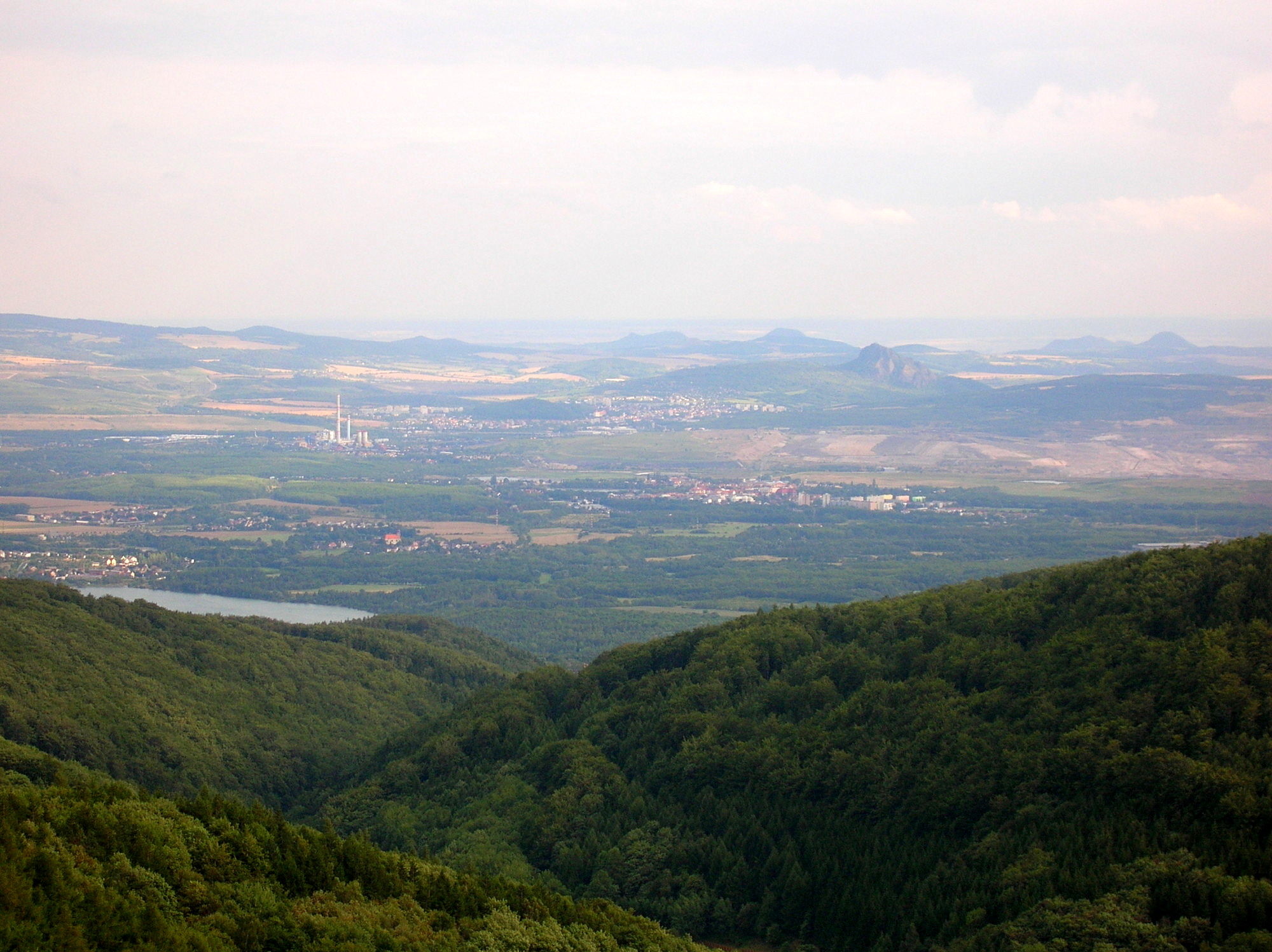
The opening of oceans and the frequently associated eruptions of enormous volumes of lava (so-called flood basalts) have significantly influenced processes at the Earth’s surface. For example, global environmental changes and mass extinction events correlate with flood basalt eruptions. The composition of magmas in a continental rift varies depending on tectonic settings and plate movements, as well as processes within the Earth’s mantle (mantle plumes). The Chair of Endogenous Geodynamics investigates the formation and evolution of magmas in continental rifts and the associated geochemical transport processes.
Geodynamics and element transport in subduction zones
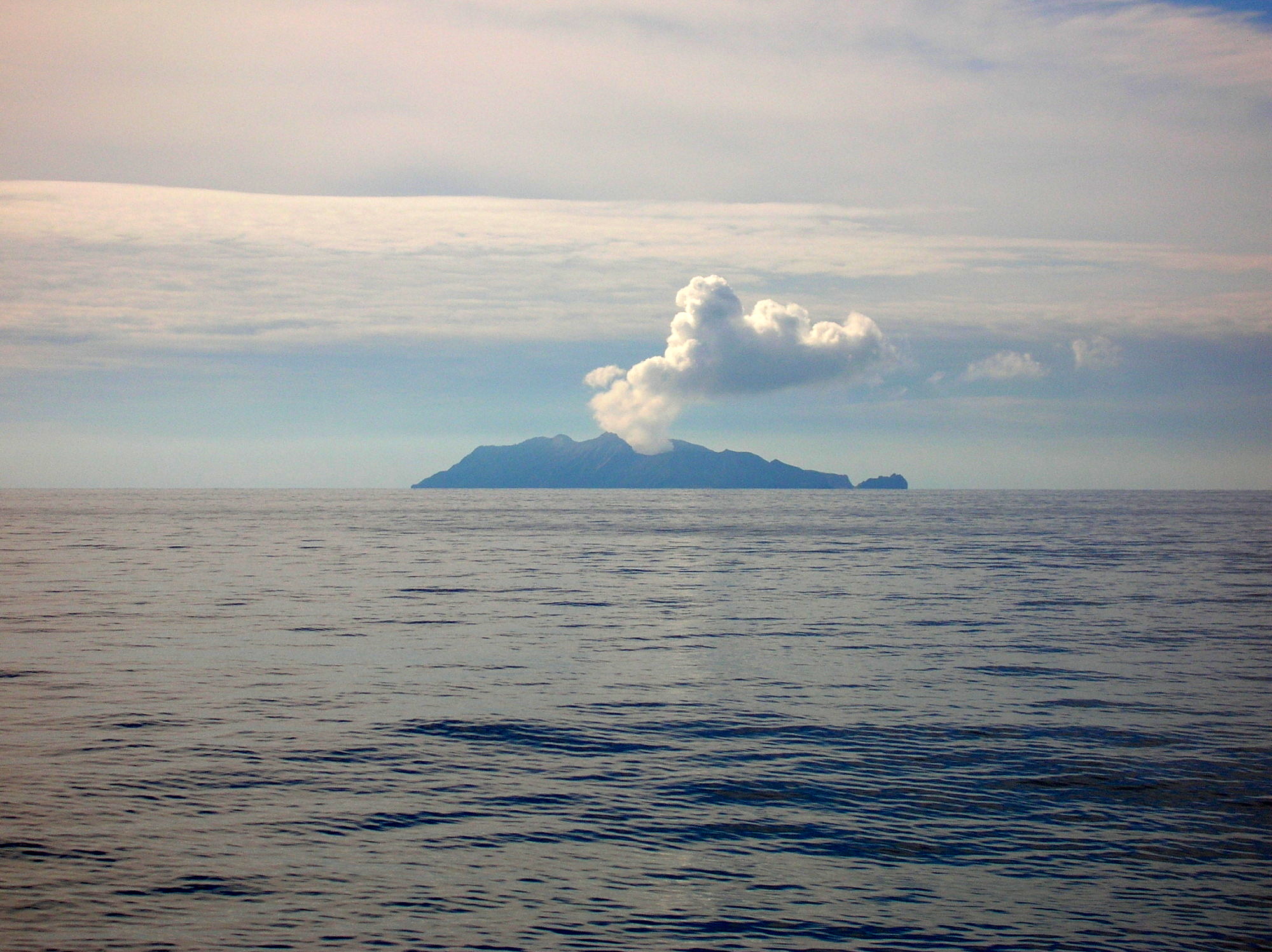
Subduction zones are of great importance to humanity due to their location along continental margins, their abundance of natural resources, and the occurrence of natural hazards (earthquakes, volcanic eruptions). Subduction zones form interfaces between the Earth’s surface and its interior, where crustal material is transported into the deep mantle. Metamorphic processes in subduction zones generate large quantities of aqueous fluids and silicate melts, which significantly contribute to the growth of continental crust and also form economically important mineral deposits. Tectonic, metamorphic, and magmatic processes and the associated material cycles are studied at the Chair of Endogenous Geodynamics.
Magma transport and interaction with the litho- and hydrosphere
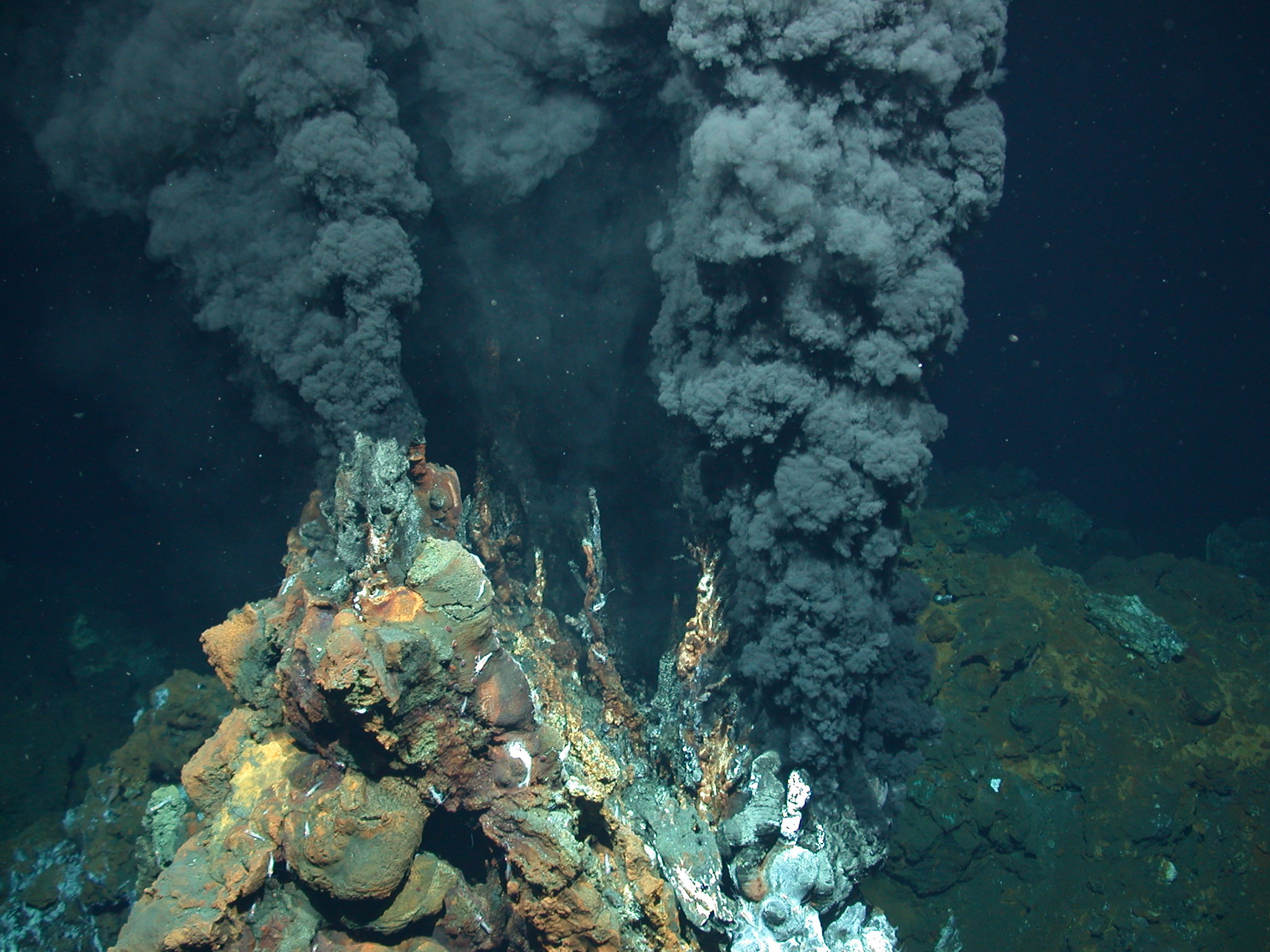
The ascent of magmas from the mantle or lower crust into the upper crust often leads to the formation of hydrothermal circulation systems, which cause intense alteration of rocks and, through the dissolution and precipitation of minerals, result in the formation of ore deposits. At the same time, the melts interact with the surrounding crust and assimilate large amounts of altered material, significantly changing their composition. The interplay of magmatic, metamorphic, and hydrothermal processes is investigated at the Chair of Endogenous Geodynamics from petrological and economic geology perspectives.
Formation of SiO2-rich magmas and growth of the continental crust
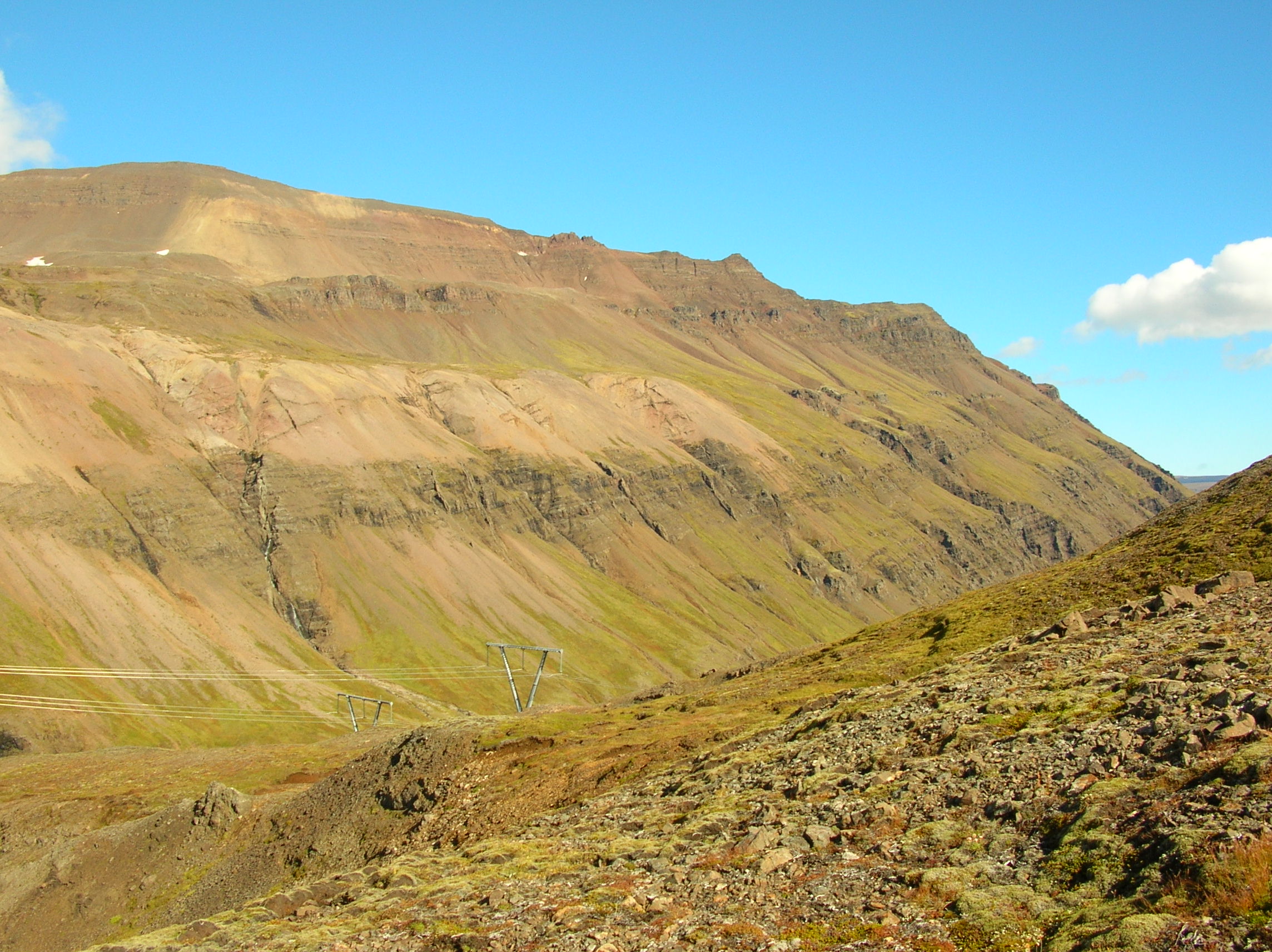
The oceanic crust consists predominantly of basaltic rocks with an SiO₂ content of about 50 wt%, whereas the continental crust contains on average about 60 wt% SiO₂ (andesitic composition). At mid-ocean ridges, oceanic intraplate volcanoes, and intra-oceanic island arcs, silica-rich melts occasionally occur in addition to basalts (up to rhyolites with about 70 wt% SiO₂). These melts may form through extreme fractional crystallization processes or partial melting of the deep oceanic crust and likely represent an important building block in the growth of continental crust, for example through the accretion of island arcs onto continents. We investigate the formation of these silica-rich rocks particularly with regard to their contribution to the evolution of the Earth’s crust.
