Vanuatu, 2013 – RV Sonne – Cruise SO-229
The research project “COVOLVE” – Project Summary
The southern New Hebrides island arc has been rifted for about 3 Ma, resulting in three volcanic and hydrothermally active rift basins in the Coriolis Basin. Globally unique is the occurrence of alkaline island arc magmas with enrichments in Nb and Ta compared to the highly depleted island arc magmas at other localities, and the occurrence of different magma sources whose distribution and formation is unclear. The importance and origin of alkaline magmas for metallogenetic processes in young island arcs is still unclear. An example is found so far only in the Tabar-Lihir-Tanga-Feni island arc in Papua New Guinea, where fractionation of highly volatile elements and one of the richest gold deposits occurs. Detailed stratigraphic sampling of active volcanoes in the southern island arc and backarc therefore provide unique opportunities to determine magma sources and mantle flow over the past 6 Ma. Three occurrences of hydrothermal vents or precipitates have been described in the New Hebrides island arc so far, but have not been studied in detail. This project will use the ROV (Remotely Operated Vehicle) Kiel 6000 to investigate and sample the hydrothermal vents to determine the composition of the fluids, precipitates, and faunas. The magmas of the island arc contain a lot of sulfur and have an unusual composition, which probably also affects the hydrothermal processes.
The ROV will be used to investigate the temporal and chemical variability between magma genesis, volcanism, and hydrothermalism at submarine calderas in the Coriolis Basin. Of importance are questions of lithologic control by volatile-rich alkaline magmas and influences of volcanic evolution on metallogenetic processes, as well as fluid dynamics and evolution. The effect of different water depths on degassing processes and composition of hydrothermal fluids is the main focus. Another focus is the investigation of the variability of magmatic differentiation (trachybasaltic- trachyandesitic-dacitic) along short island arc sections and feedback on metal fractionation and hydrothermal activity.
Publications SO229
- Anderson, M.O., Hannington, M.D., Haase, K.M., Schwarz-Schampera, U., Augustin, N., and McConachy, T.F., 2016. Tectonic focusing of voluminous basaltic eruptions in magma-deficient backarc rifts. Earth and Planetary Science Letters 440, 43-55.
- Lima, S.M., Haase, K.M., Beier, C., Regelous, M., Brandl, P.A., Hauff, F., Krumm, S., 2017. Magmatic evolution and source variations at the Nifonea Ridge (New Hebrides Island Arc). Journal of Petrology 58, 473-494. doi: 1093/petrology/egx023.
- Schmidt, K., Garbe-Schönberg, D., Hannington, M.D., Anderson, M.O., Bühring, B., Haase, K., Haruel, C., Lupton, J.E., Koschinsky, A., 2017. Boiling vapour-type fluids from the Nifonea vent field (New Hebrides Back-Arc, Vanuatu, SW Pacific): Geochemistry of an early-stage, post-eruptive hydrothermal system. Geochimica et Cosmochimica Acta 207, 185-209. Doi: 10.1016/j.gca.2017.03.016.1016/j.gca.2017.03.016
- Beier, C., Brandl, P.A., Lima, S.M., and Haase, K.M., 2018. Tectonic control on the genesis of magmas in the New Hebrides arc (Vanuatu). Lithos 312-313, 290-307. Doi: 1016/j.lithos.2018.05.011.
- Nasemann, P., Gault-Ringold, M., Stirling, C.H., Koschinsky, A., and Sander, S.G., 2018. Processes affecting the isotopic composition of dissolved iron in hydrothermal plumes: A case study from the Vanuatu back-arc. Chemical Geology 476, 70-84. Doi: 10.1016/h.chemgeo.2017.11.005.
- Wilckens, F.K., Reeves, E.P., Bach, W., Meixner, A., Seewald, J.S., Koschinsky, A., Kasemann, S.A., 2018. The influence of magmatic fluids and phase separation on B systematics in submarine hydrothermal vent fluids from back-arc basins.Geochimica et Cosmochimica Acta, 232, 140 -162, doi: 10.1016/j.gca.2018.04.023.
- Haase, K.M., Gress, M.U., Lima, S.M., Regelous, M.,Beier, C., Romer, R.L., and Bellon, H., 2020. Evolution of magmatism in the New Hebrides Island Arc and in initial back-arc rifting, SW Pacific. Geochemistry, Geophysics, Geosystems 21, e2020GC008946, doi: 10.1029/2020GC008946.
- Keith, M., Haase, K.M., Häckel, F., Schwarz-Schampera, U., Klemd, R., Hannington, M., Strauss, H., McConachy, T., and Anderson, M., 2021. Trace element fractionation and precipitation in submarine back-arc hydrothermal systems, Nifonea caldera, New Hebrides subduction zone. Ore Geology Reviews 135, 104211, doi: 10.1016/j.oregeorev.2021.104211.
Expedition SO-229 VANUATU (26.06.-26.07.2013)
Follow our expedition: facebook.com/groups/SO229
Or see the Log-Book further down.
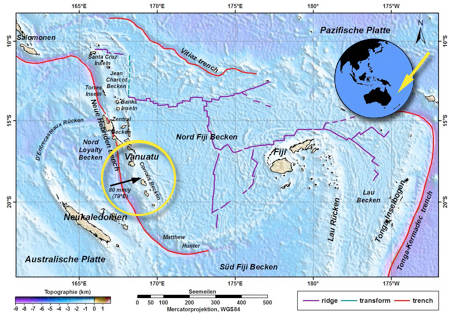
Overview of the plate tectonic situation in the South Pacific according to DeMets et al. (1994) and the PLATES project (2006).
Key Data
- approx. 1.1 million € funding, provided by the German Federal Ministry of Education and Research (BMBF)
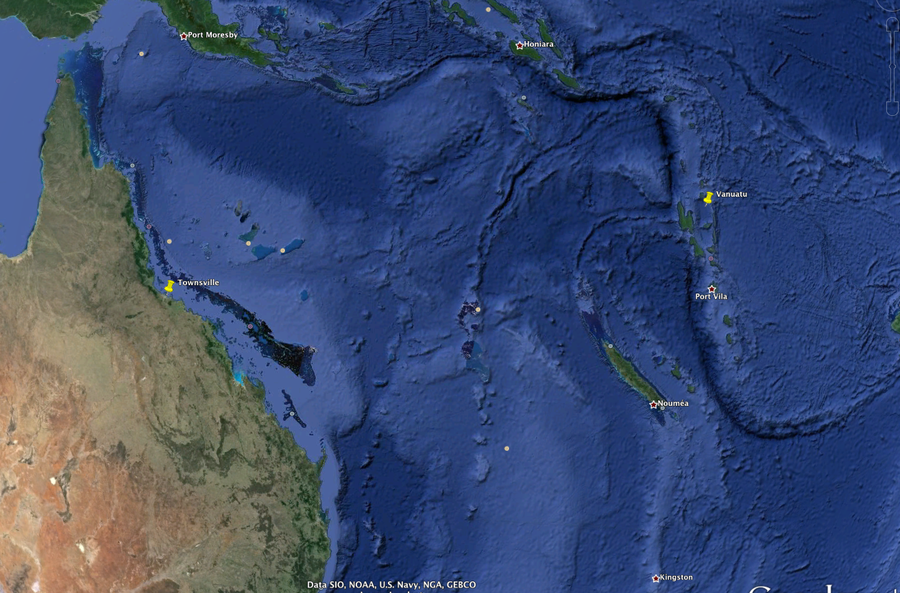
- 32 days at sea with the German research vessel SONNE from Townsville (AUS) to the working area east of Vanuatu (Coriolis Troughs) and back to Nouméa (F)
- Equipment deployed: deep-sea robot Kiel 6000, TV grab, volcanite shock tube, CTD, MAPR.
- Cooperations: Federal Institute for Geosciences and Natural Resources (BGR, Dr. U. Schwarz-Schampera), Jacobs University Bremen (Prof. Dr. A. Koschinsky), Christian Albrechts University Kiel (Dr. C.-D. Garbe-Schönberg), University of Ottawa (Prof. Dr. M. Hannington), Nautilus Minerals (Australia).
Participiants from Erlangen
Dr. Christoph Beier
Dr. Philipp A. Brandl
Fabian Kemner
Michael Greß
Logbook Vanuatu-Expedition
Also follow our Facebook-posts!
The photos on this page were taken by Chr. Beier and Ph. Brandl.
Maps: Google Earth
Time to say good bye
Finally, we arrived in Nouméa (New Caledonia). The containers have already been unloaded and are on their way to Germany and Mauritius, respectively.
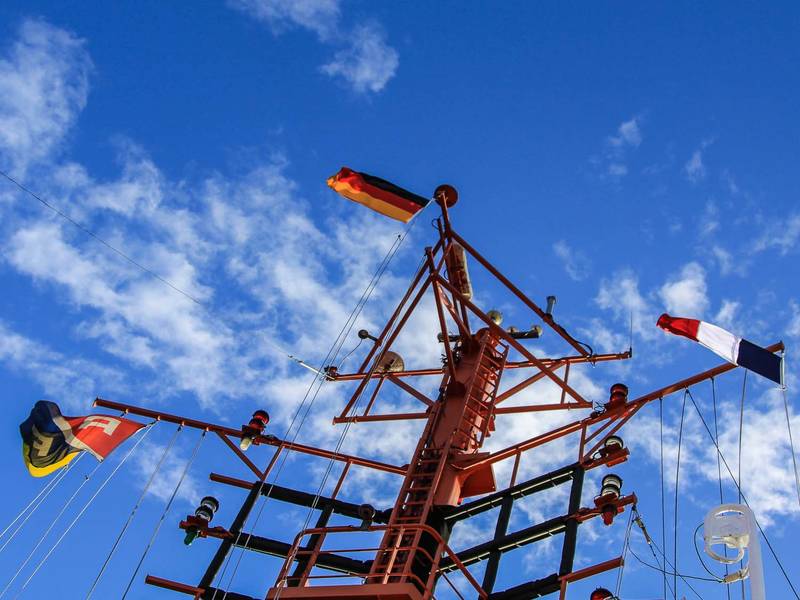
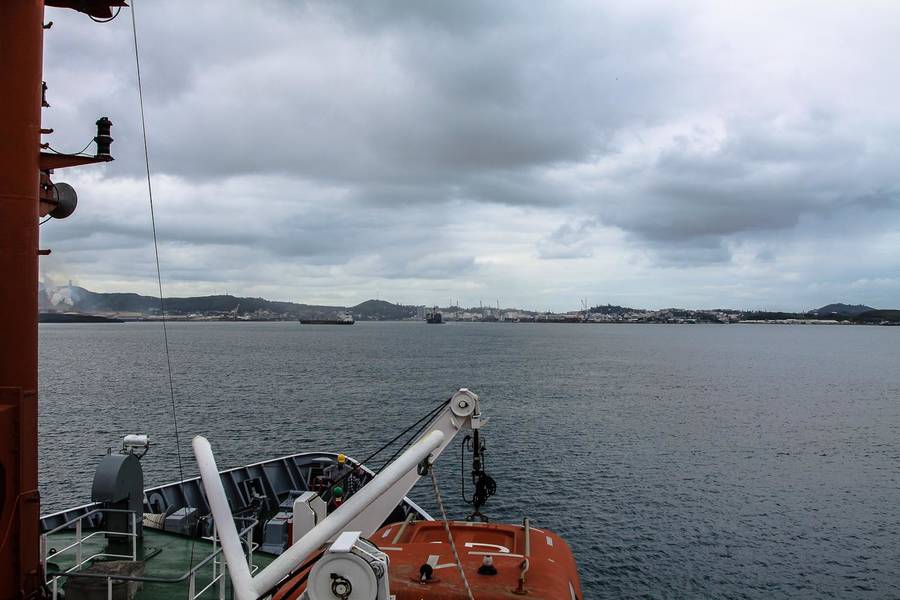
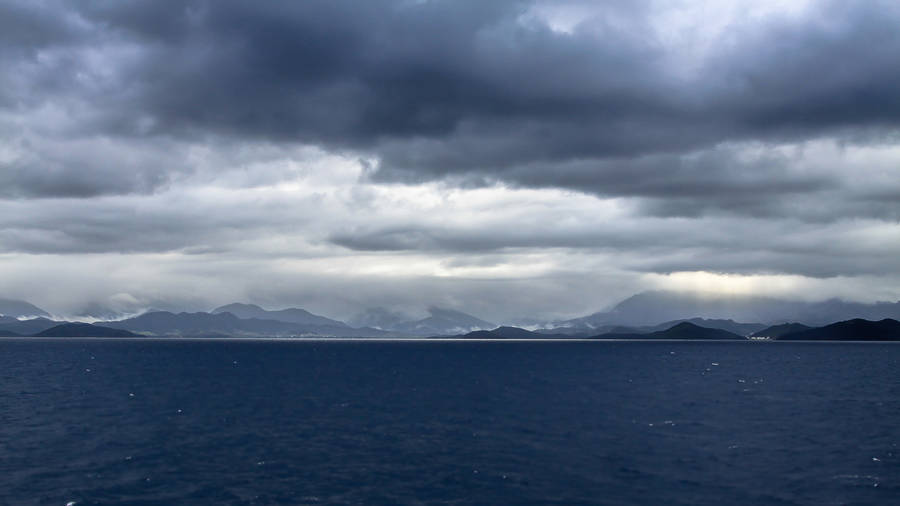
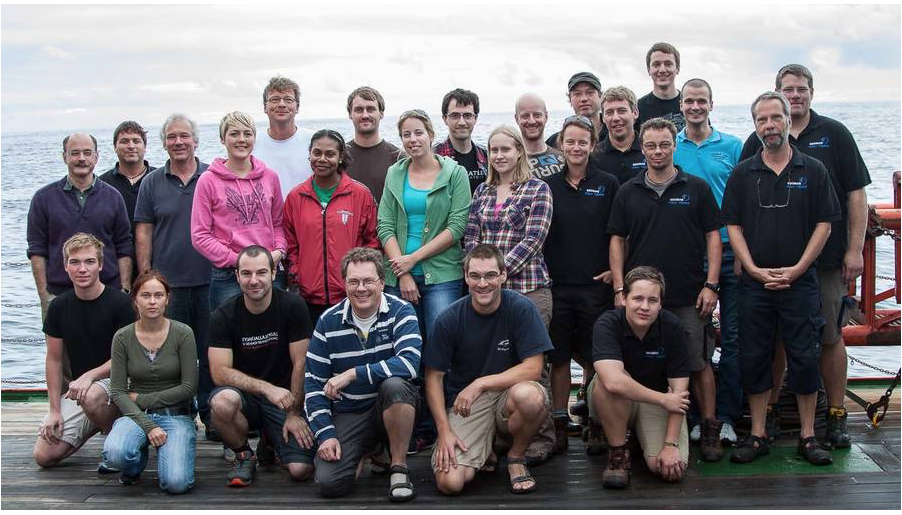
July 25, 2013: Farewell photo
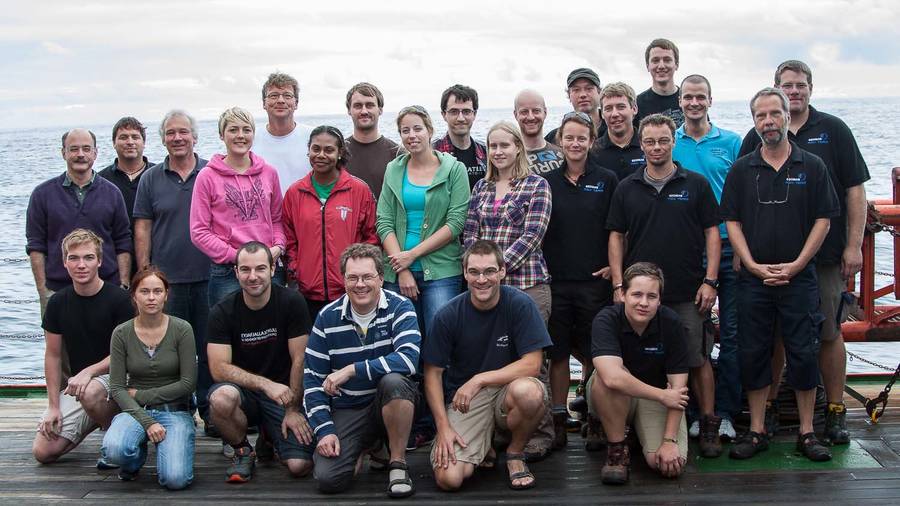
July 25, 2013: Mission accomplished!
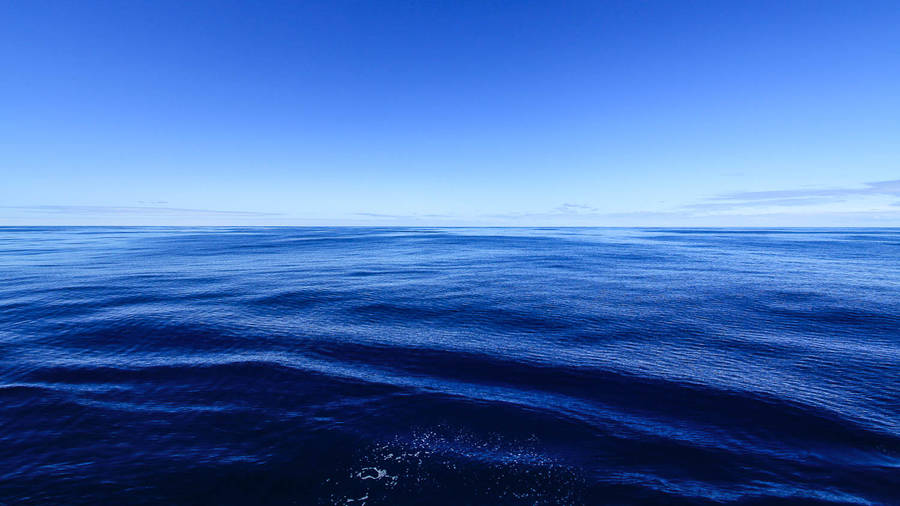
As the expedition draws to a close: the sea is as calm as glass. That would have been ideal for allowing us to make even more dives.
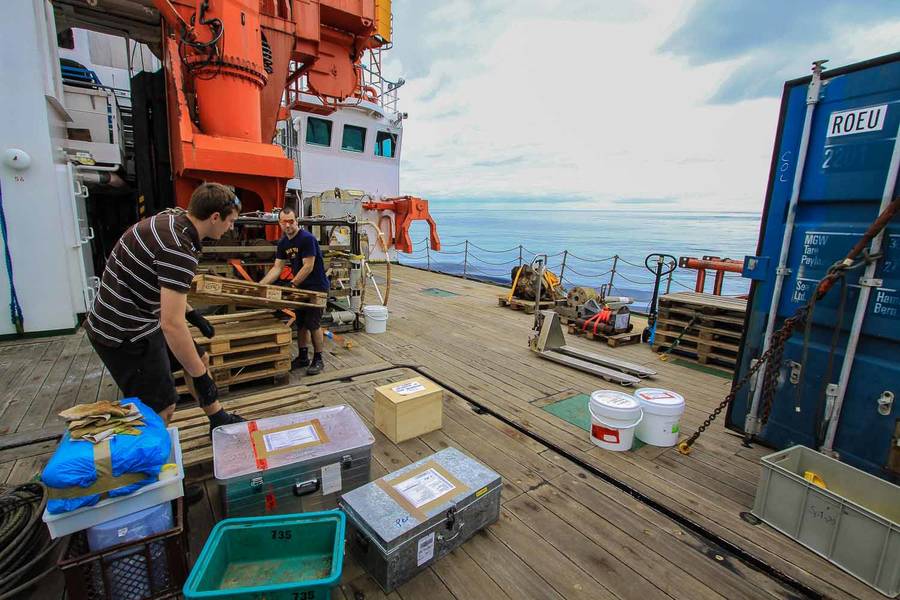
Nevertheless, we collected a wealth of extremely interesting samples, almost all of which have now been packed into containers. Some of New Caledonia’s islands are already in sight, and the ROV team is finishing up their containers to unload them in Nouméa.
July 24, 2013: Whoever has the whale…
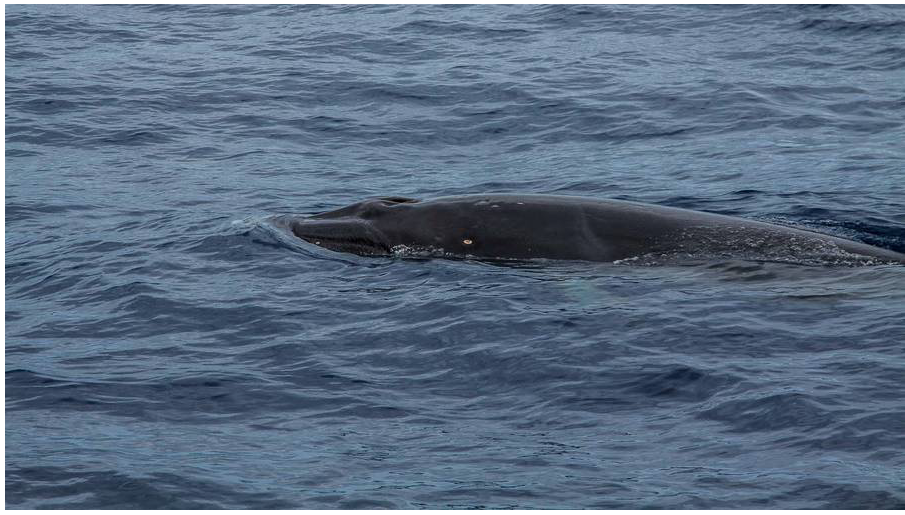
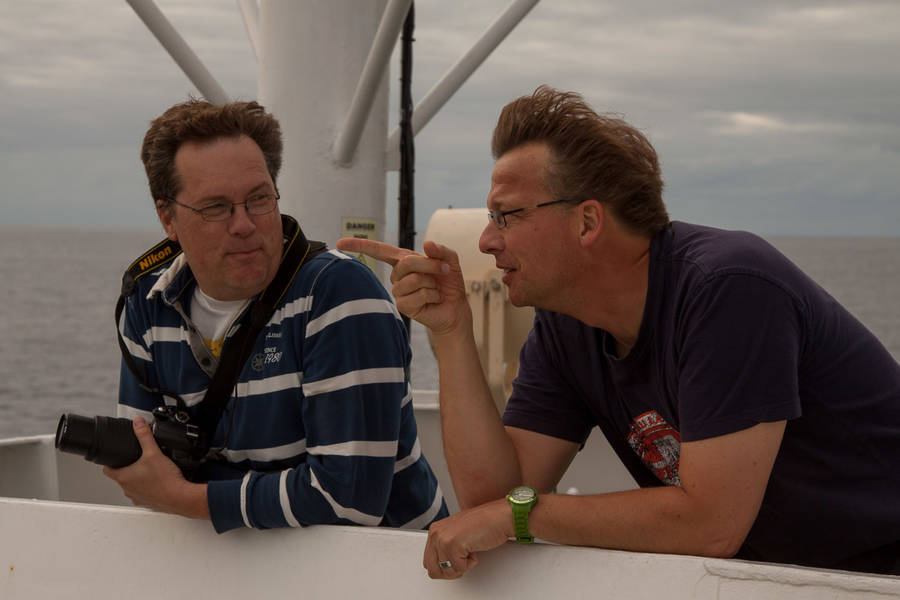
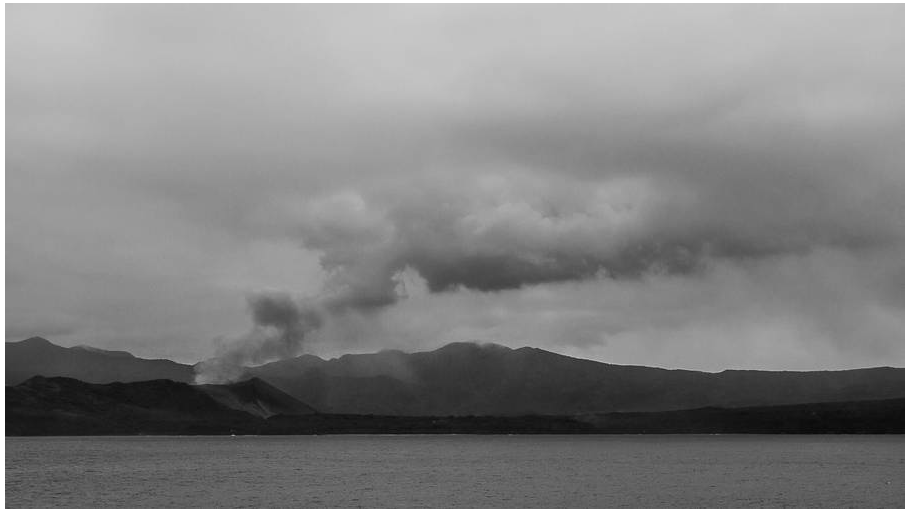
What an end to the expedition! Last TV grab deployment while we are already packing the containers. A small whale surfaces next to the ship and seems to enjoy our company for a while. A little later, we got very close to the active Yasur volcano on Tanna. Just as I (ChB) am writing these lines, I’m looking right at it. What a sight! Amazing! Otherwise, preparations are underway for our well-deserved final barbecue night, and we’re looking forward to a quiet evening together.
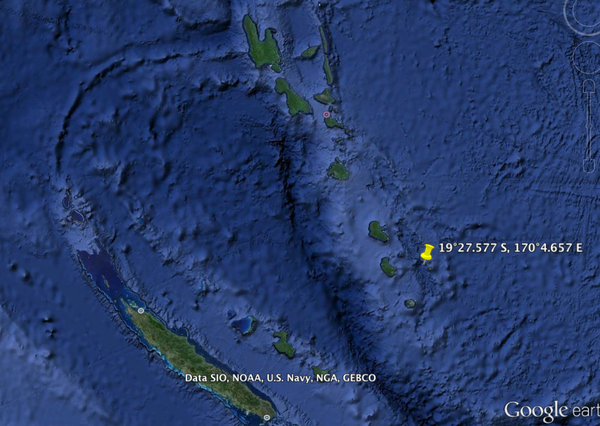
July 23, 2013: Current position
Sampling and processing
An absolutely amazing day at Nifonea! Black smokers with temperatures up to 360°C! Boiling hot!
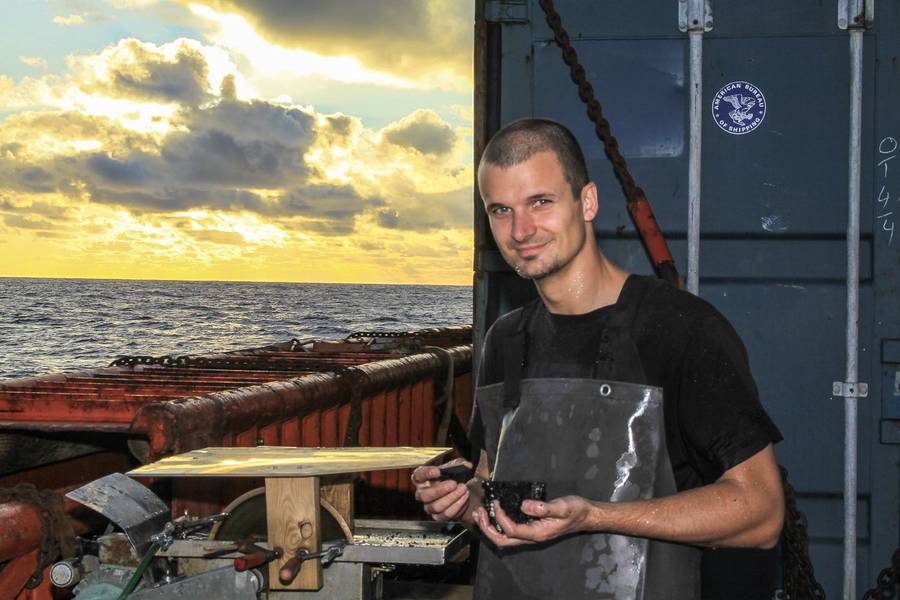
Fabian Kemmner cuts pieces from the large samples for thin sections and geochemistry.
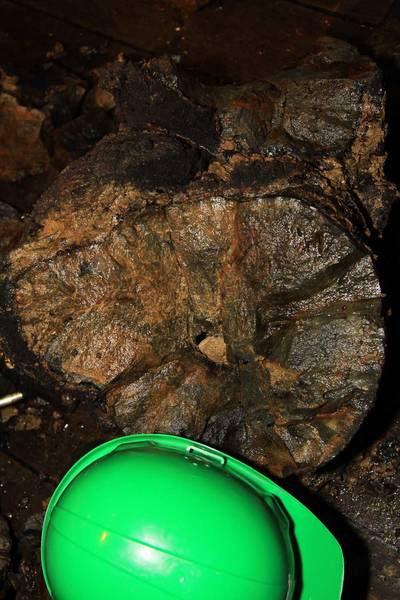
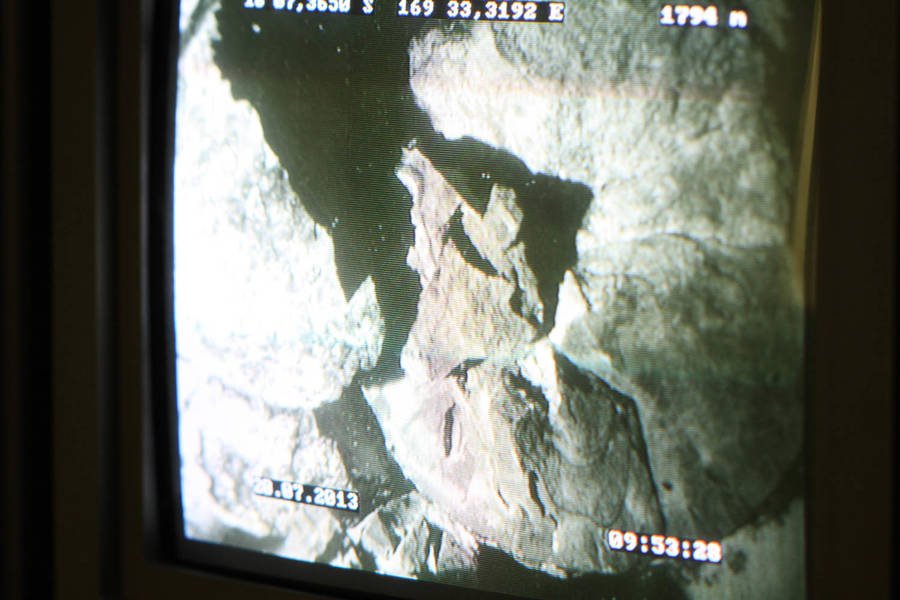
What looks manageable on TV is actually quite large on deck. And a magnificent pillow with a glassy rim.
July 20, 2013: No smoking
Water depth: 1800m
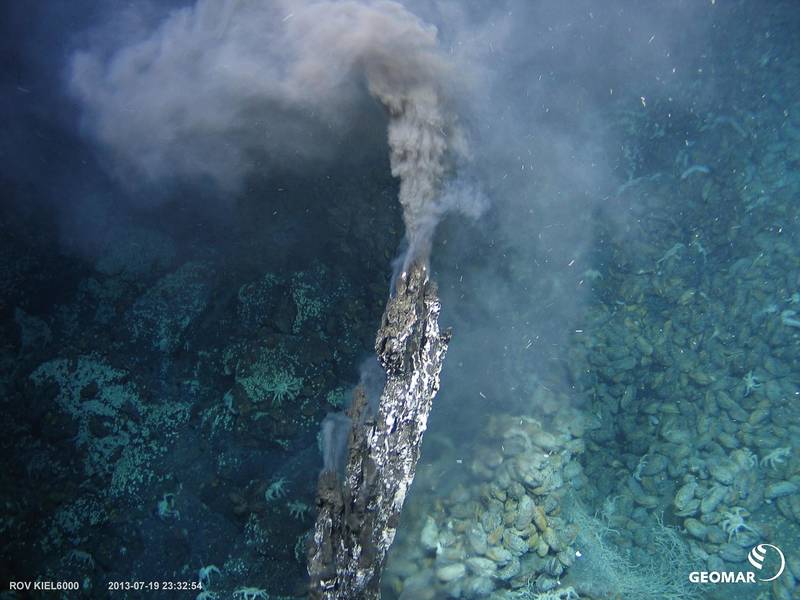
Sensational discovery: an active black smoker!
July 19, 2013: Here comes the sun …
The weather was much better today. No spray, just gentle swells that were significantly smaller. This prompted us to decide on the spot to return to Nifoena and dive in the spectacular hydrothermal field we had just discovered. Everyone on board was beaming when the sun even made a slightly longer appearance.
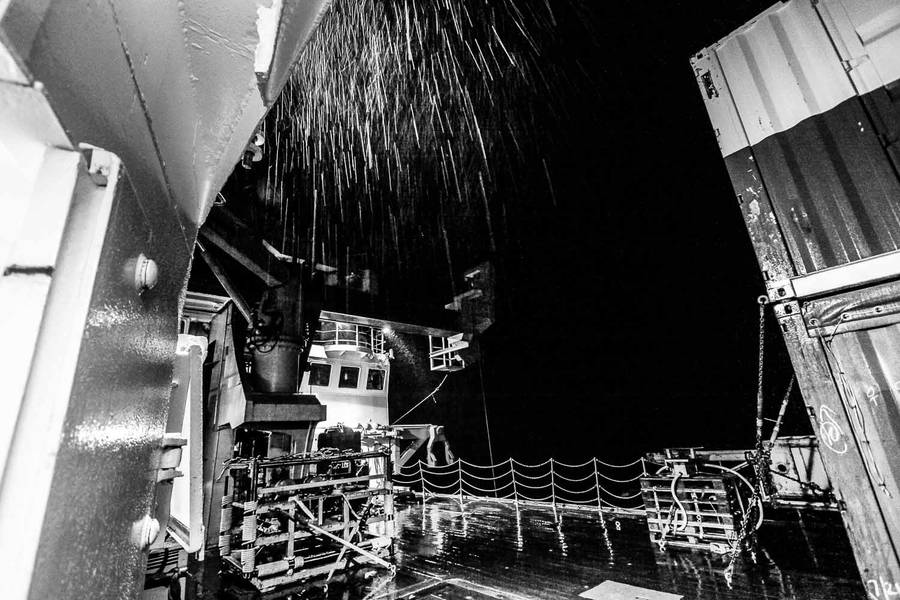
July 18, 2013 It’s rainin’ – man
Hopefully the wind will die down by tomorrow morning, though the rain will pick up. Nevertheless, the swell will prevent us from conducting any ROV dives. Plan B is to ship back to Nifonea on Saturday and Sunday and sample the hydrothermal field there. For now, the WAX corer and the TV grab are doing their job quite well. Here, in the central Vate Trench.
July 17, 2013: Hooray and up she rises …
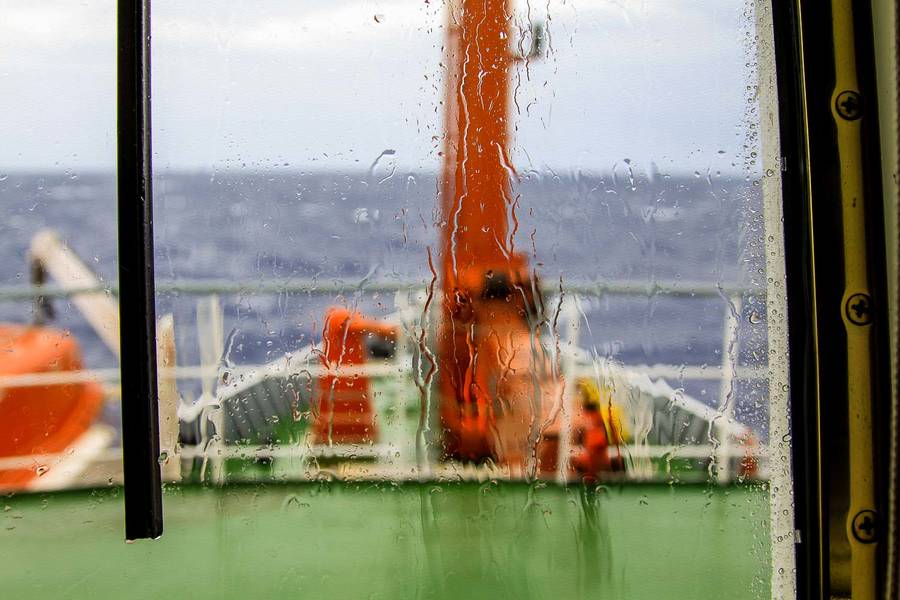
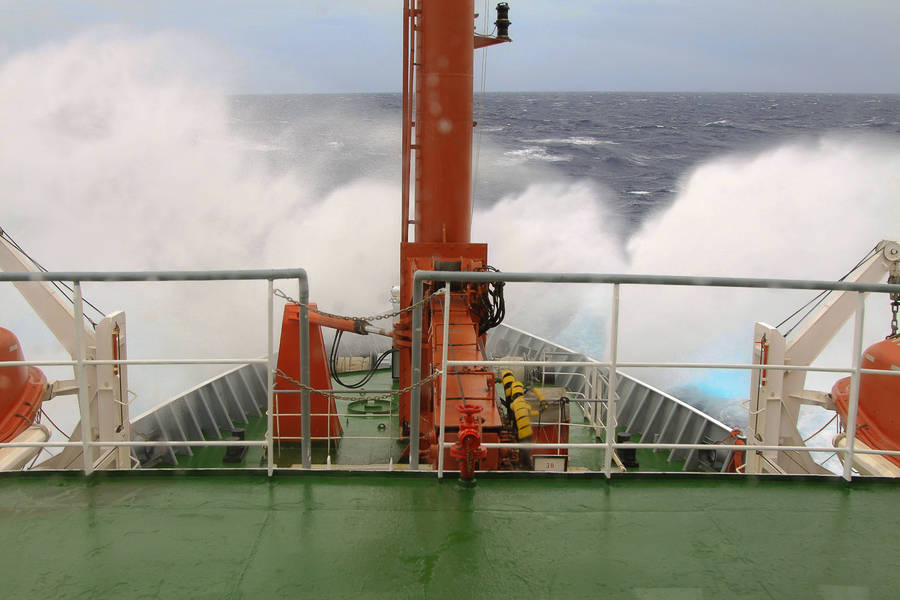
Any questions on weather? 7Bft, 4-5 Meter swell making life not that easy and straightforward. Walking becomes sort of an issue on board!
SO229 – Second Weekly Report, July 9–15, 2013
On July 9, work continued in the approximately 9-km-wide Epi Caldera, and during another dive by the Kiel6000 ROV, evidence of recent activity at the base and on the slope of the Cioan (Epi B) volcanic cone—in the form of extensive pumice fields and volcanic bombs—was observed and sampled. Some very fresh rock samples may have been formed during the 2004 eruption. As the dive continued, hydrothermal vents were found on the seafloor at a depth of about 320 m, surrounded by white bacterial mats and, less frequently, by clusters of mussels and snails. A temperature measurement indicated approximately 20°C for the effluent solutions, i.e., about 6°C warmer than the surrounding seawater. Furthermore, countless small vents and more substantial deposits of iron oxides and hydroxides were observed and sampled at this hydrothermal field. Interestingly, the hydrothermal activity appears to be linked more to tectonic than to volcanic structures in the caldera. During three dives and numerous TV grab and volcanic tube sampling operations in the Epi Caldera, samples were collected from nearly all the young volcanic cones within the caldera, yielding mostly rhyolitic to dacitic pumice, but also andesitic or basaltic lava. Overall, these samples and the bathymetric map will be used to investigate the magmatic history of the Epi Caldera.
Work in the Epi Caldera was completed, and since the weather map indicated that conditions in the Nifonea area would be favorable on July 12, the FS Sonne headed south. On the morning of July 12, the ROV Kiel6000 dived over the hydrothermal field of the Nifonea volcano in the Vate Trough. During this dive, samples were taken from young lava flows, and an area several hundred meters in extent was discovered with hydrothermal activity and dense colonization by Bathymodiolus sp., vent crabs and shrimp, as well as snails, tube worms, and duck clams. Hot fluids emerge widely here between young lava boulders, providing the basis for the lush vent fauna. The highlight of the dive was the discovery of several black smokers, from one of which—standing approximately two meters tall—both fluid samples using the KIPS and sulfide samples were collected. Back on board, it was determined that the smoker is composed primarily of pyrite, chalcopyrite, sphalerite, and anhydrite. The vent fauna was also sampled, and everyone on board was thrilled by the images, which showed significantly more hydrothermal activity than previously assumed. Unfortunately, the freshening wind prevented further ROV operations, so instead, the Nifonea volcano was systematically sampled using the TV grab and the volcanic tube, and the hydrothermal plume was investigated with the CTD.
On the afternoon of July 13, the FS Sonne then proceeded to the work area near Futuna Island, as further dives could be conducted in the shelter of the island. Two deployments of the ROV Kiel6000 yielded over 30 rock samples from water depths between 3,200 and 1,020 meters on the eastern rift flank of the Futuna Trough; these samples will be used to draw conclusions about the formation and evolution of the Vanuatu island arc. During the night, samples were also collected from younger volcanoes in the Futuna Trough and at the NW end of this back-arc rift using the TV grab and the volcanic rock sampling tube. Despite initial difficulties and the loss of five working days in the port of Townsville, many excellent samples were collected in the first two weeks, ensuring the success of Project SO229. The weather is expected to improve significantly by the end of the week, and everyone is eagerly awaiting the opportunity to dive at Nifonea again.
At sea, Karsten Haase, trip leader
July 16, 2013: A Look at the Cards
The Sonne is mapping the Northern Futuna Trench. Weather conditions are mediocre, the ship is rolling heavily, and sitting on deck is sometimes a challenge. Two TV-equipped grab trawl trips are planned for tonight, but it’s unclear whether we’ll be able to lower the grab.
Next plan: Head toward the Northern Erromango Basin, do some mapping along the way, and try a few TV grab attempts. Tomorrow morning.
Fortunately, the weather service is forecasting increasingly better weather starting Thursday, so hopefully we’ll be able to launch several dives with the robot. Fingers crossed!
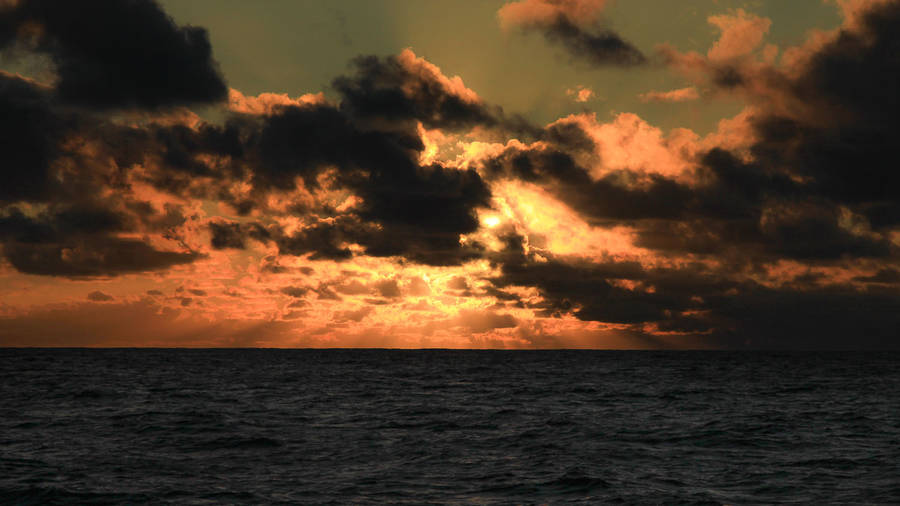
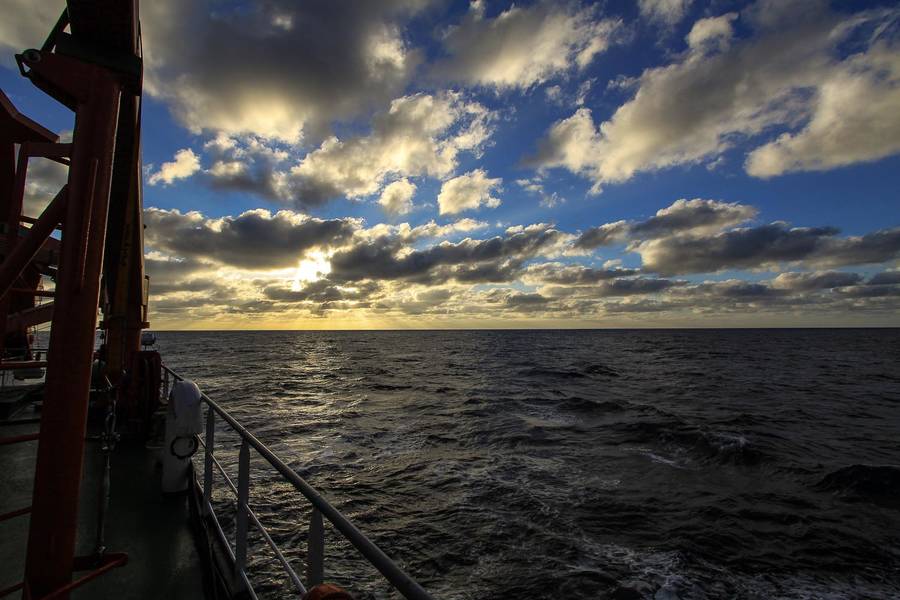
At least the sunset is beautiful. Futuna is beautiful too, so close to the sun.
😉
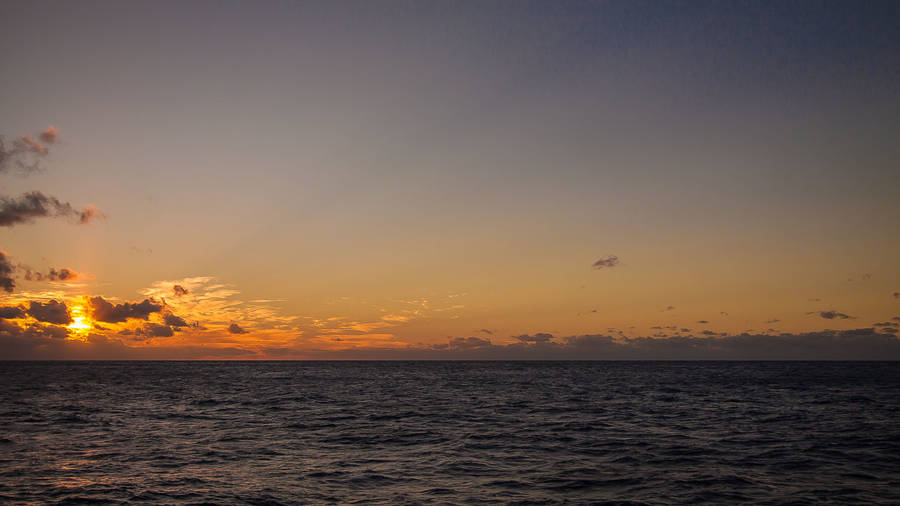
July 15, 2013: Samples, samples, samples …
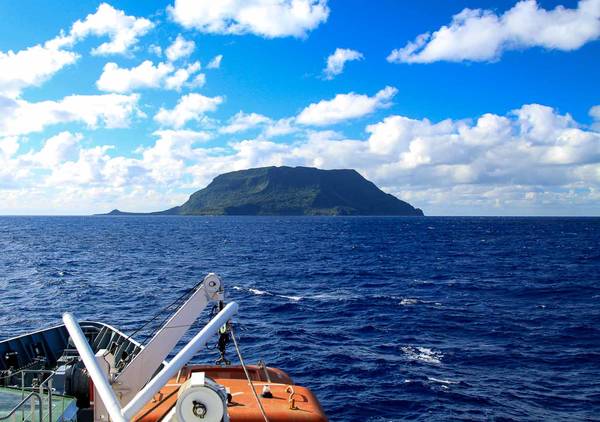
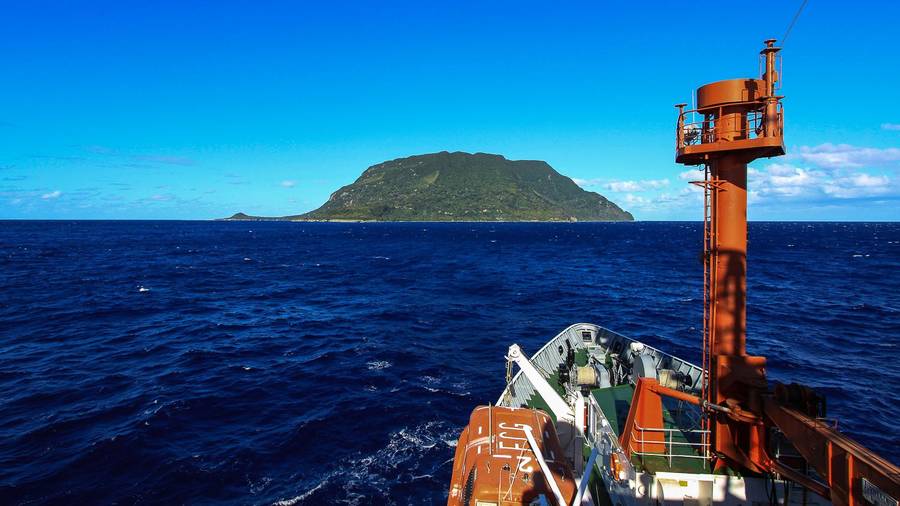
Successful dive on a profile close to Futuna sampling over 2000 meter of stratigraphy. Finally we were only 1.85 kilometres distant from Futuna at about 1000 m water depth! What a steep wall! Now we are successfully grabbing more rocks from the western Futuna trough.
July 14, 2013: Somewhere under the rainbow
Very successful diving today, sampling almost 1 kilometre of arc crust! Closeby: Futuna, some 1500 inhabitants live on this quite small and steep island!
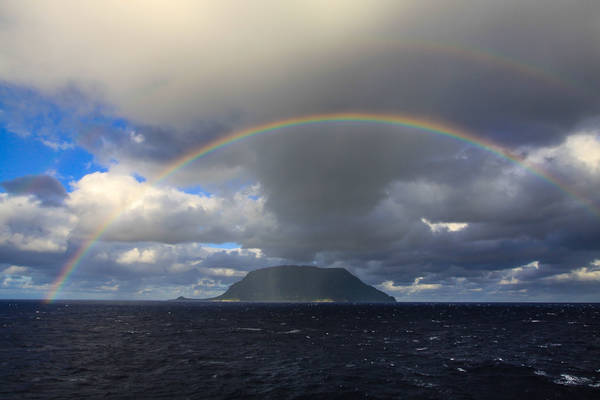
July 13, 2013: New position
July 12, 2013: Active black smokers discovered
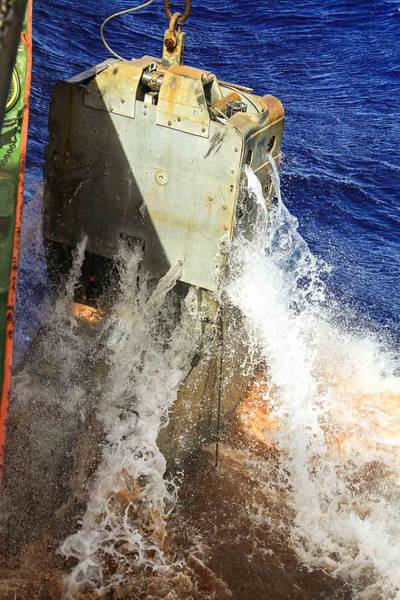
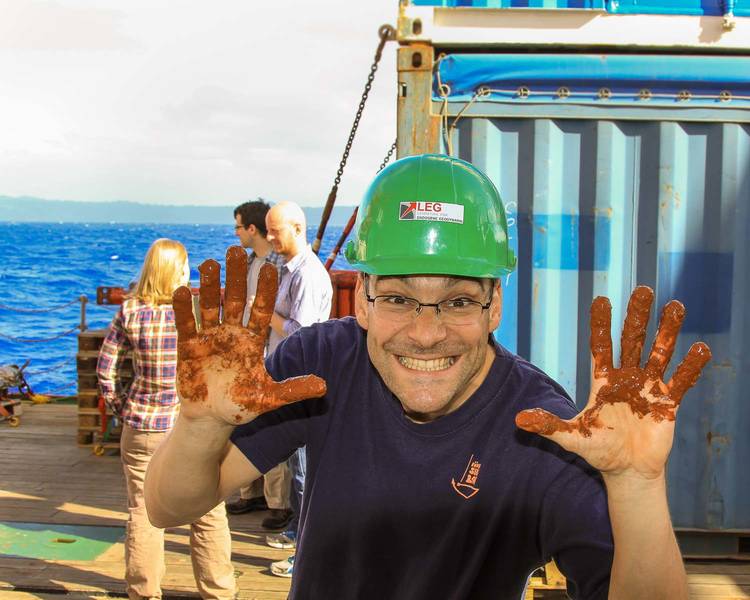
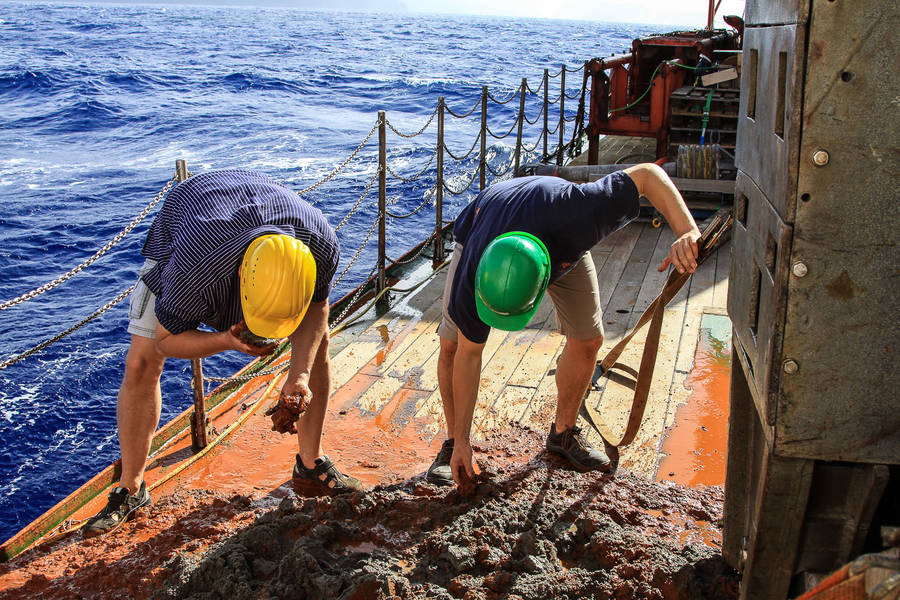
The scientists were able to take advantage of a brief break in the bad weather to conduct dives and collect samples. Active black smokers were discovered, which filled the entire crew with excitement. It is a real success that samples were obtained both from the hydrothermal rocks and directly from the fluids. The images below show the box grab being brought on board and the geologists taking samples. Fun in the mud …
July 12, 2013: New location
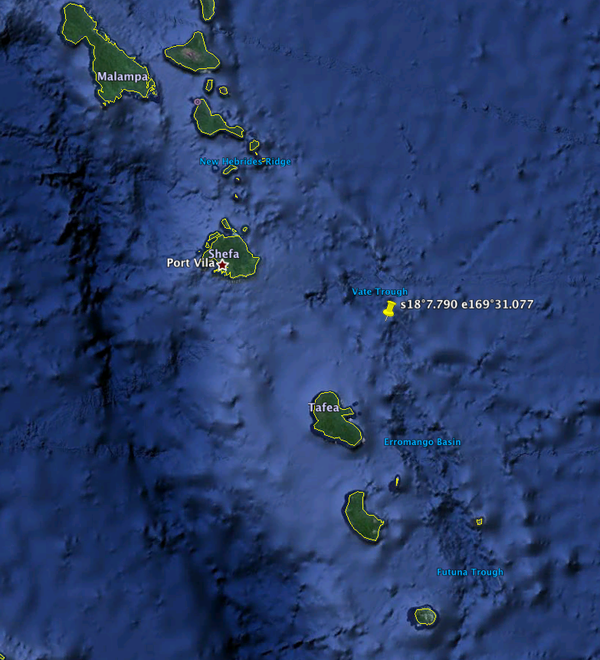
Update
Thanks to the excellent technicians on board, the TV grab was repaired, and we were able to carry out three successful sampling operations. We collected volcanic clastics and various hydrothermal sediments. Now it’s off to the south!
July 11, 2013: Toothless Grab
Once again, we have to change our plans. The TV box grab, which is used to collect controlled samples from the seafloor, is no longer closing properly, and the weather is getting worse by the minute. We’re making a new attempt, and then we’re heading south. Last night, the Epi Caldera was mapped at a speed of 5 knots. Now we have the most detailed map available for this area. Hopefully, the weather will improve as we head south. Otherwise, using the ROV is out of the question.
July 10, 2013: Smoke under water ..
ChB reports:
Evidence for hydrothermal activity at Epi caldera. Shimmering water, bacterial mats and we are in search of more chimneys!
July 9, 2013: The sun sets…
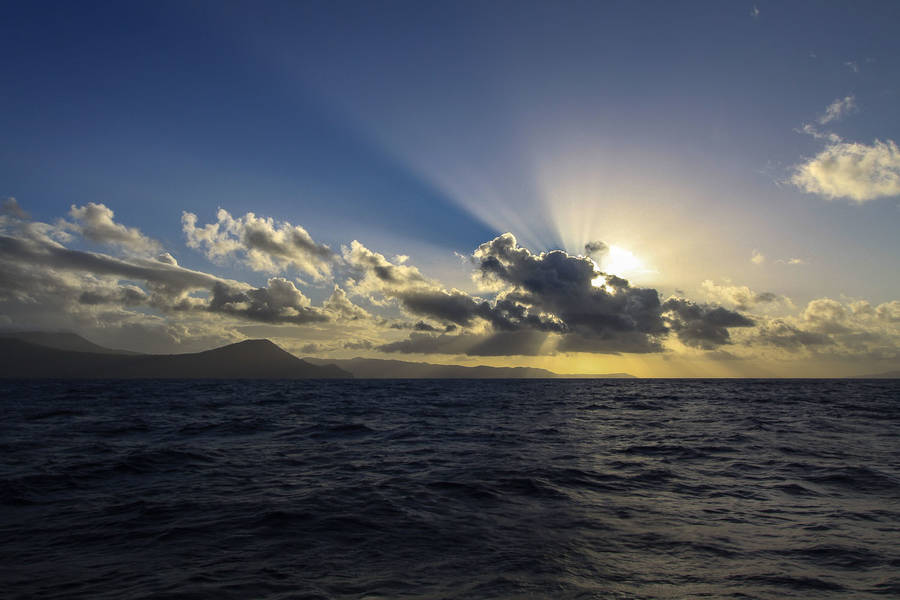
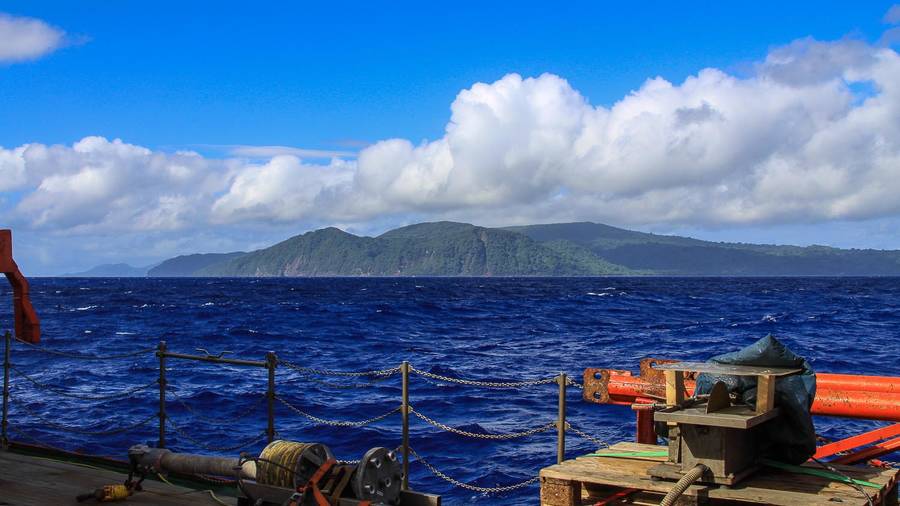
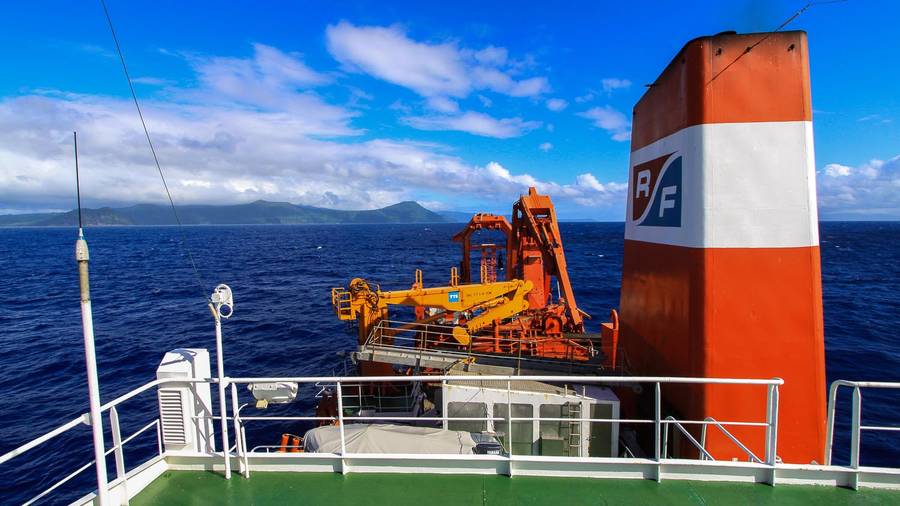
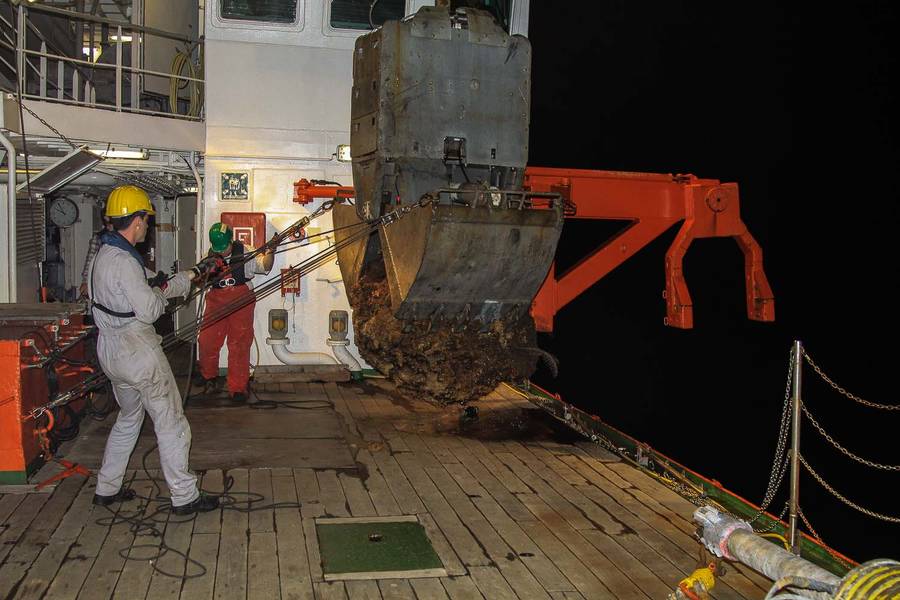
… but only in Philip Brandl’s photo. Additional photos by Chr. Beier show the view of Epi Island (about 3 km from the ship). Meanwhile, sampling continues. Chr. Beier is proud of the massive sample he managed to retrieve with the TV grab. It almost didn’t make it on board because the boom was giving us trouble. Speaking of difficulties: It took four men an hour to break the monster sample down into manageable pieces. Workout at 16°41.782S and 168°23.356E. ROV dives and chemical analysis of the seawater are planned for today. Then, for the night shift, it’s back to the TV grab and box grab.
July 9, 2013: Weekly Report from the Tour Leader
SO229 Weekly report 1
On Monday evening, July 1, the FS Sonne left the port of Townsville, Australia, and sailed through the Great Barrier Reef. A five-day voyage across the Coral Sea in calm waters took the ship past the northern tip of New Caledonia. On July 7, the ship reached the work area in Vanuatu, and sampling began using two TV grabs on a small volcano in the island arc between the islands of Efate and Erromango. This volcano is apparently inactive, and carbonates, older lavas, and hydrothermally altered carbonates with massive manganese crusts were recovered. This was followed by mapping and a CTD station, as well as the calibration of the Posidonia antenna for ROV positioning. Strong winds then led to a change in plans, and work resumed on the morning of July 8 with an ROV dive in the caldera of Epi Volcano between the islands of Epi and Lopevi. The first dive of the ROV Kiel6000 took it through the caldera and revealed fields of pumice, abundant volcaniclastic sediment, and a field of inactive iron oxide vents. Shortly before the dive concluded, the ROV passed through an area of very turbid water. A MAPR attached to the ROV detected a distinct Eh anomaly, confirming that the turbidity had a hydrothermal origin. The hydrothermal vent will be searched for tomorrow. The dive yielded a large number of rock samples as well as several pieces of the inactive vents. Additional volcanic and sedimentary rock samples were collected overnight using the TV grab. Measurements in the water column in an area that showed methane anomalies in 2001 revealed no evidence of hydrothermal activity. Everyone on board is doing well and looking forward to the upcoming sampling and exploration work.
July 8, 2013: Active hydrothermal field discovered!
First successful deployment of the submersible robot in the Epi Caldera. Samples were collected from several inactive hydrothermal vents, and rising hot fluids were discovered, which will be investigated further tomorrow. Additional successful box grab operations yielded promising sample material. Photos to follow.
July 8, 2013: The first samples are on board
This is where the Sonne is currently located. The first samples have been successfully brought on board using the TV grab. The ROV (remotely operated vehicle) is beginning its first mission.
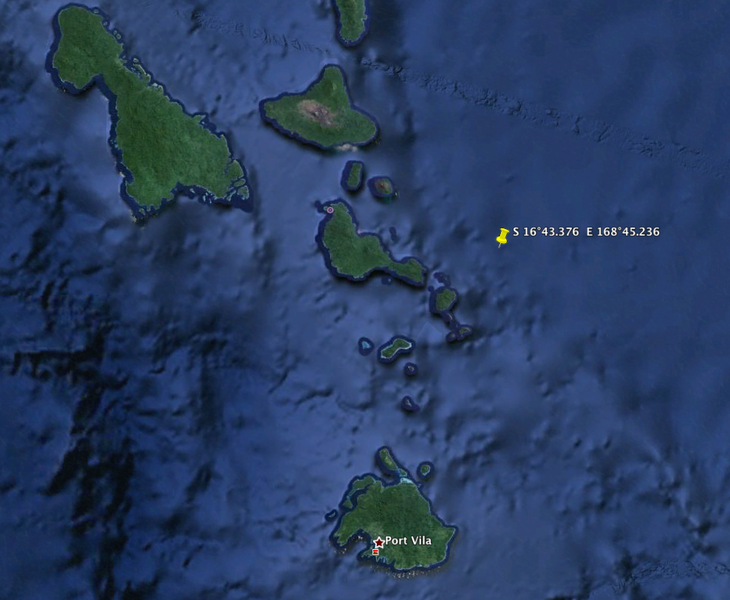
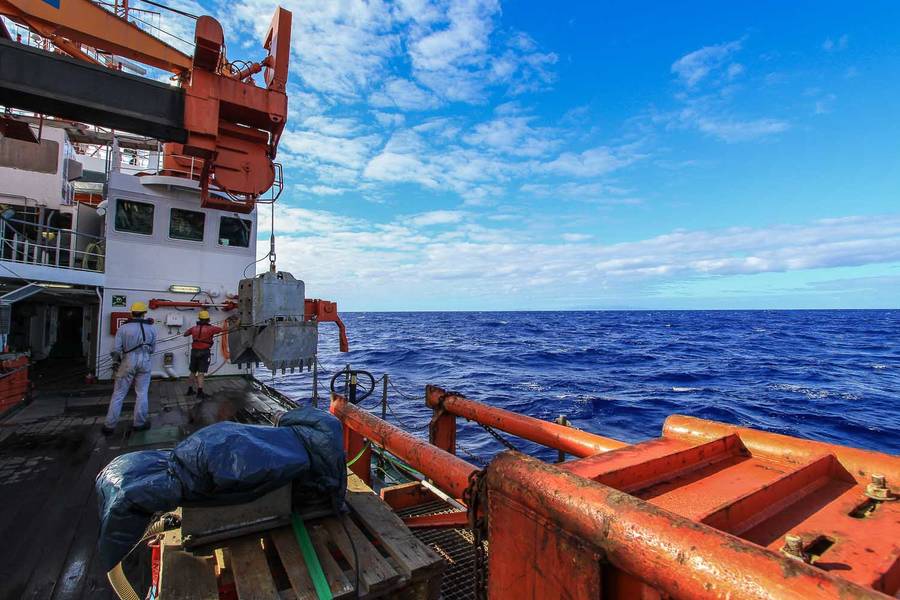
July 7, 2013: Vanuatu!
We’ve reached the target area, and the scientific investigations are beginning!
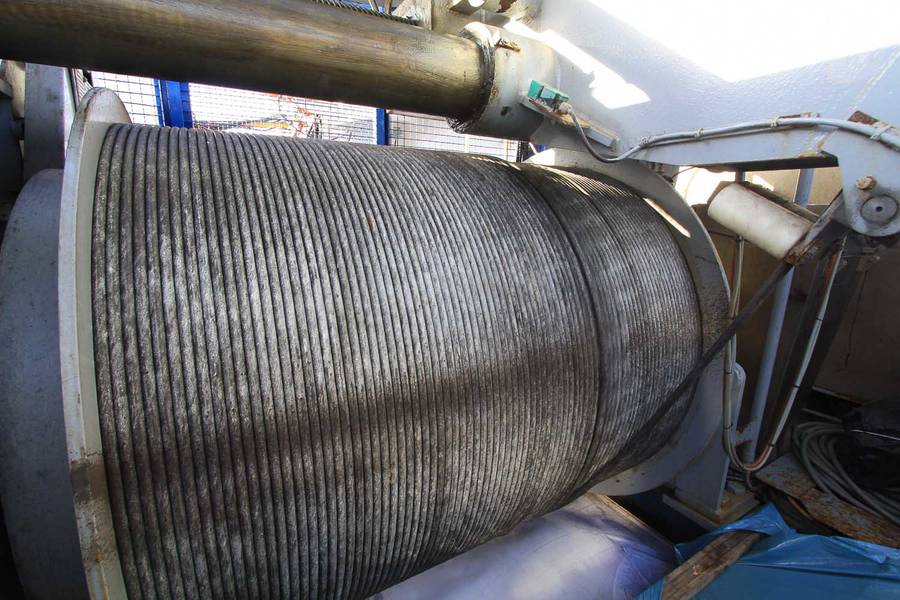
Top left: the cable drum containing the 6,000-meter-long control cable for the Kiel 6000 remotely operated vehicle (ROV).
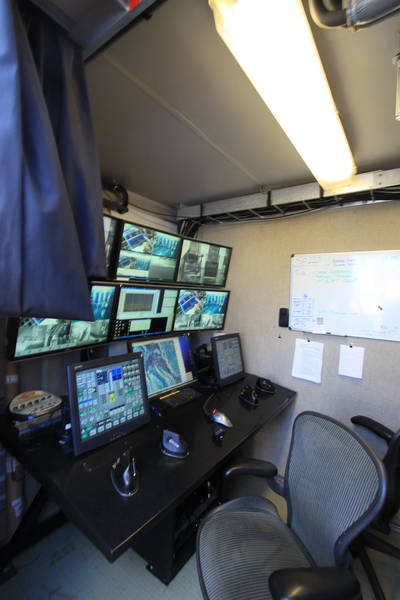
Bottom: the ROV’s control unit in the control container. Right: the ROV equipped with probes, manipulators, and storage compartments.
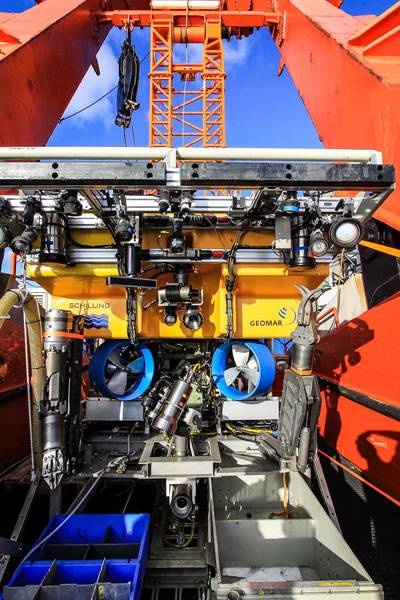
June 29 – July 2, 2013: Final tests and launch!
The remotely operated vehicle (ROV) glides in. Final tests in the harbor basin, and then, finally, it sets sail at night!
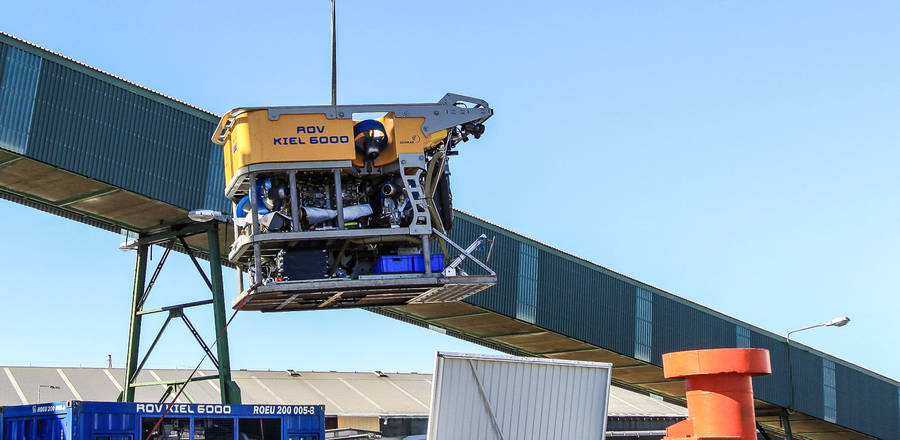
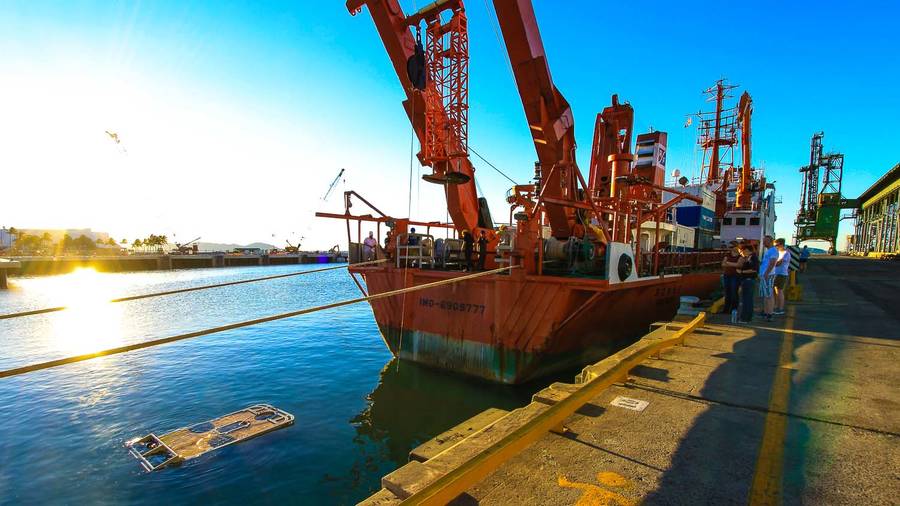
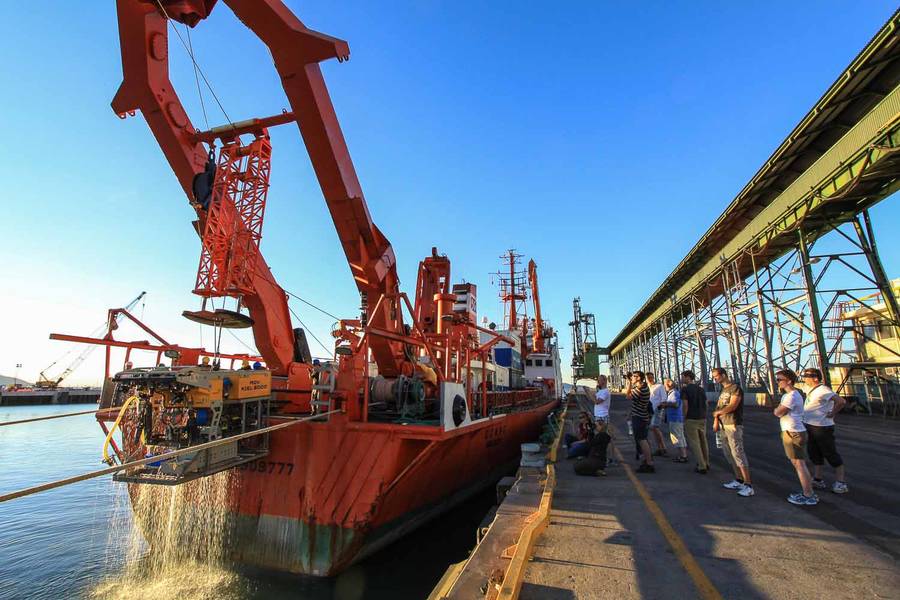
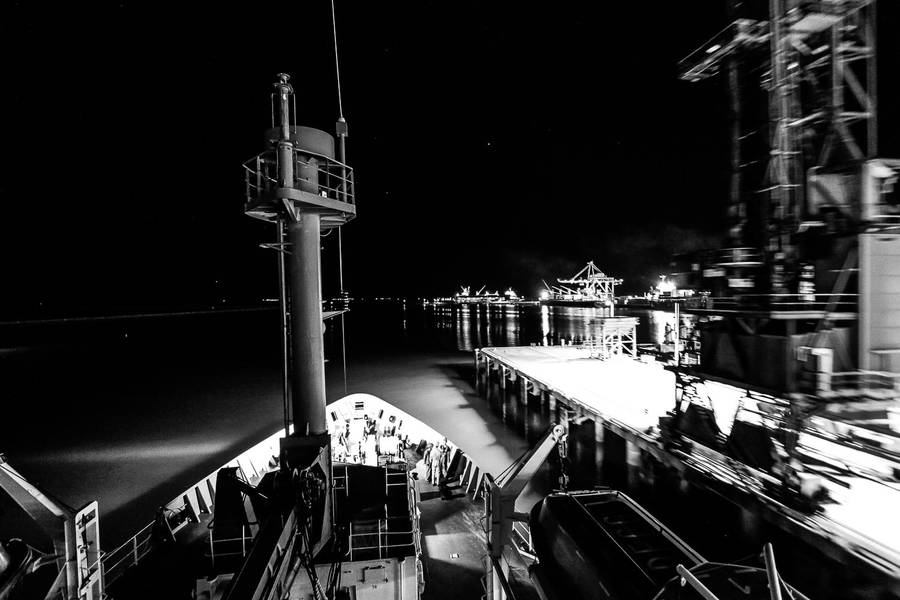
June 28, 2013: Boarding begins
The Sonne has now docked. Scientists and scientific equipment are coming on board. It is the red-and-white ship, in the center of the horizontal frame, in the right third.
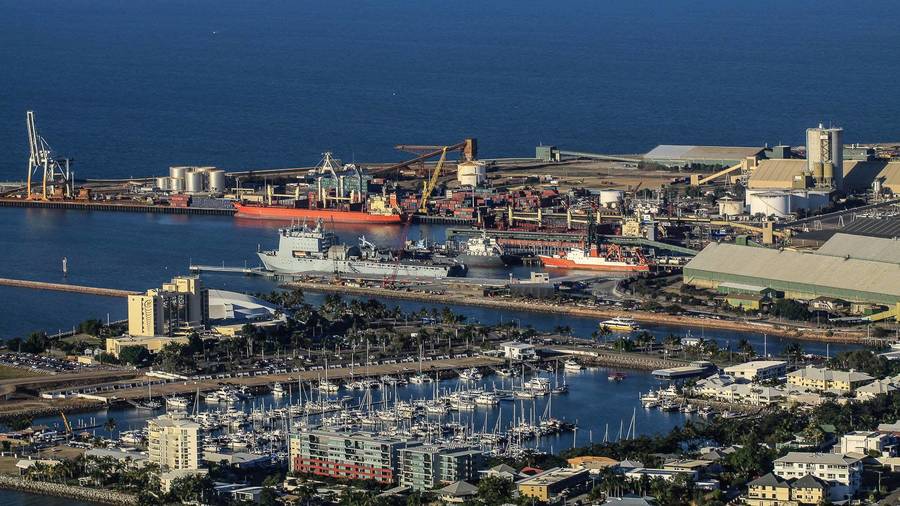
June 22, 2013: Waiting for RV Sonne
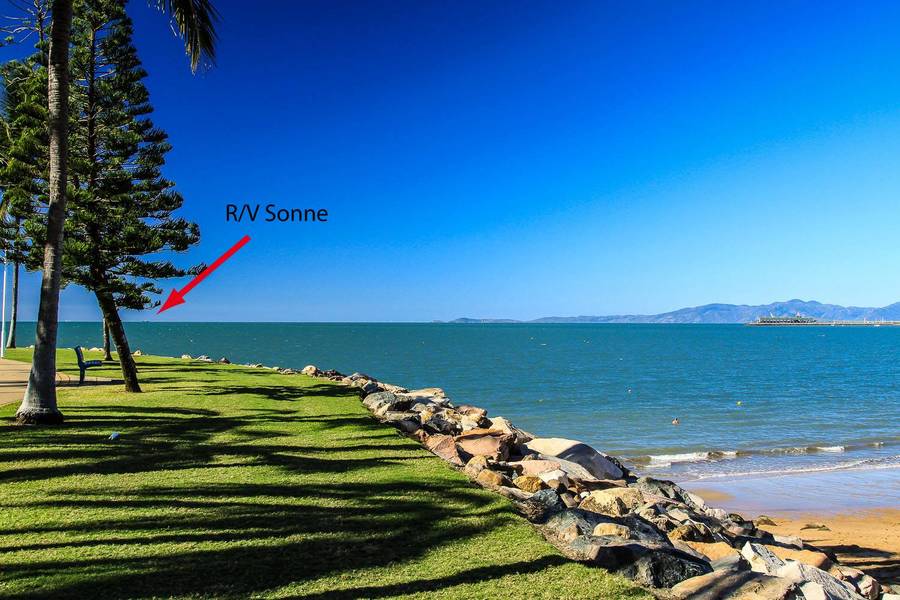
There’s a slight delay at the start. The “cable drum” containing 6,000 meters of fiber-optic control cable for the underwater robot weighs 30 tons, and the crane needed to handle it in Townsville is blocked by a sugar truck. Meanwhile, the Sonne is waiting outside the harbor.
Expedition SO-229 VANUATU (June 26–July 26, 2013)
- Approximately €1.1 million in funding provided by the Federal Ministry of Education and Research (BMBF)
- A 32-day voyage aboard the German research vessel SONNE from Townsville (AUS) to the research area east of Vanuatu (Coriolis Troughs) and back to Nouméa (F)
- Equipment used: Kiel 6000 deep-sea robot, TV grab, volcanic rock sampling tube, CTD, MAPR
- Collaborations: Federal Institute for Geosciences and Natural Resources (BGR, Dr. U. Schwarz-Schampera), Jacobs University Bremen (Prof. Dr. A. Koschinsky), Christian-Albrechts-University of Kiel (Dr. C.-D. Garbe-Schönberg), University of Ottawa (Prof. Dr. M. Hannington), Nautilus Minerals (Australia)
Start: Townsville, Australia