
Fiji-Tonga, 2018 – RV Sonne – Cruise SO263
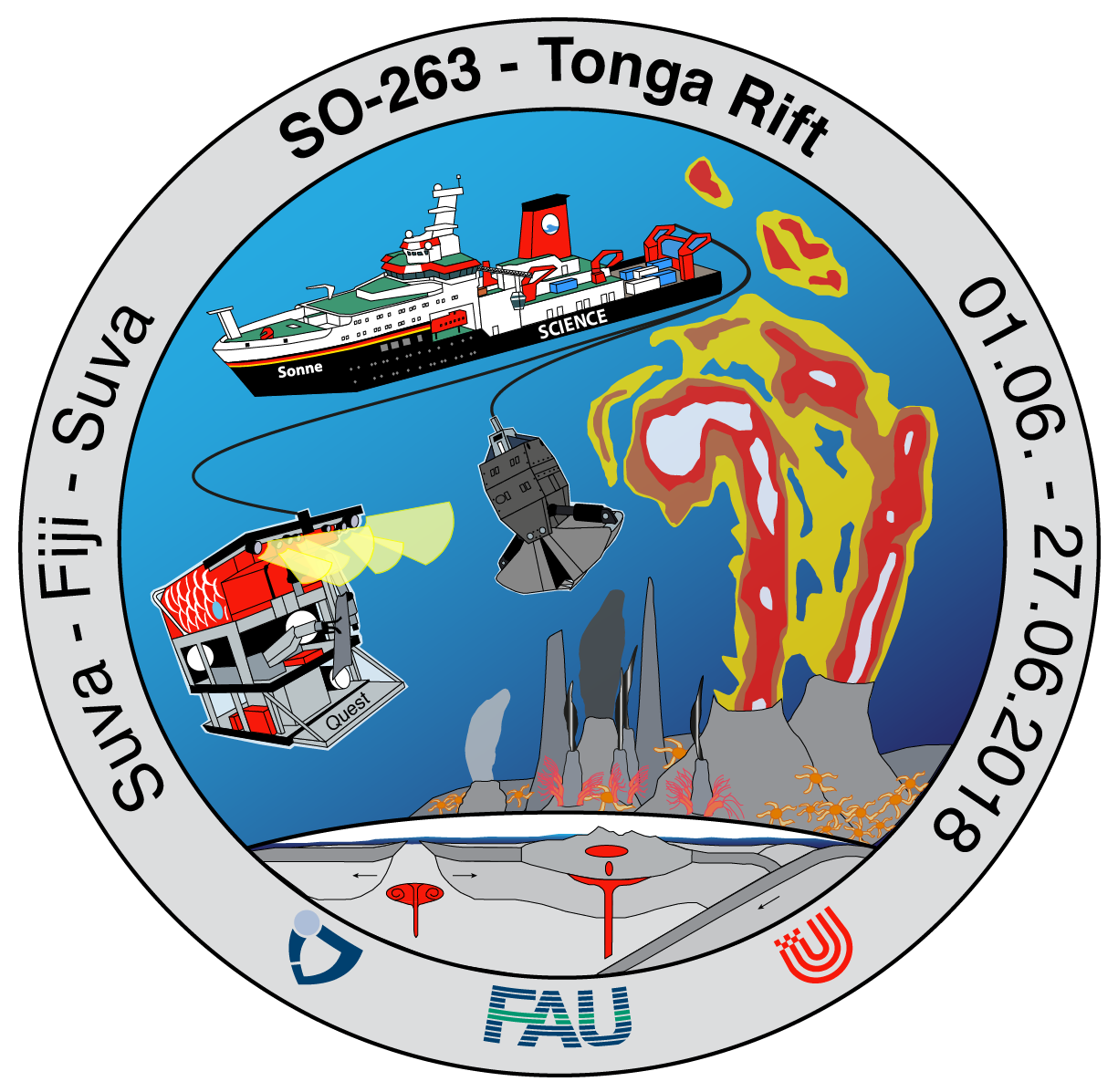
The island of Tonga in the southwest Pacific is located in one of the most geologically active regions on Earth, where over a length of about 3500 kilometers the Pacific lithospheric plate subducts below the Australian plate at a rate of about 9 cm/year and can be traced to depths of 600 kilometers by means of earthquakes.
This so-called subduction causes the upper Australian Plate to be stretched and ruptured, resulting in widespread volcanism. Thus, the majority of the islands of Tonga are volcanic in origin, but much more volcanic activity occurs beneath the ocean surface. Active volcanism in this region is accompanied by the circulation of hot solutions and massive degassing processes of sulfur dioxide and carbon dioxide.
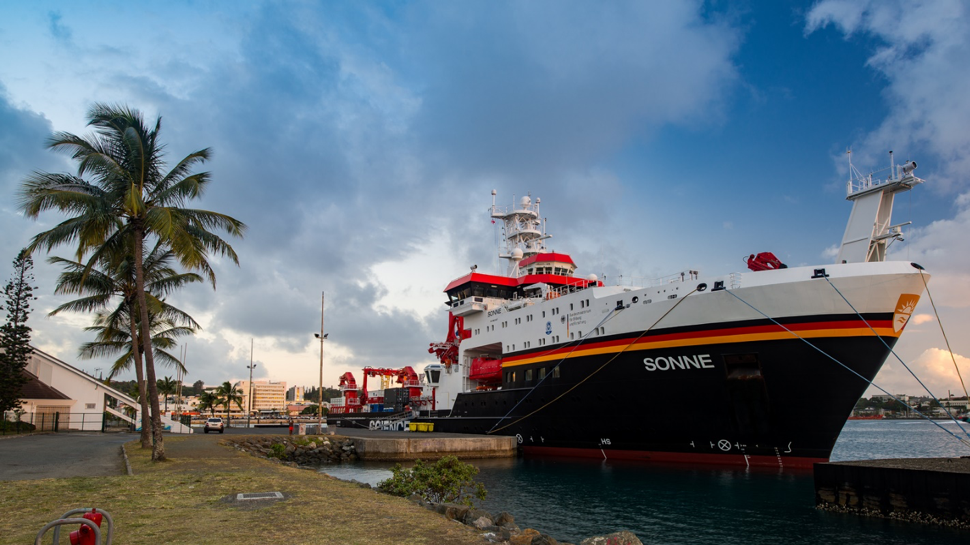
Lead by the Chair of Endogenous Geodynamics of the GeoZentrum Nordbayern of FAU, the research vessel SONNE will investigate the volcanic processes and the input of gases and metals into the hot solutions and the ocean.
The different areas in the Australian Plate above the submerged Pacific Plate show different volcanic structures, which are apparently also fed by different melts from depths of about 100 kilometers. In the BMBF-funded project, the researchers want to investigate the formation of these melts in order to draw conclusions about the melting processes in the Earth’s mantle and the development of the Earth’s crust at such subduction zones.
In cooperation with colleagues from the Universities of Bremen and Münster, the Jacobs University Bremen, the Max Planck Institute for Marine Microbiology, the GEOMAR Helmholtz Institute for Ocean Research as well as scientists from the University of Victoria, Canada, and the University of Hawaii, USA, the hot solutions and their precipitates as well as the faunas of the solutions’ exit points will also be studied. This will provide clues about the interaction between melts of the Earth’s interior and ocean waters, the formation of ore deposits, and biological and microbiological activity based on the different hot solutions. With the help of the QUEST 4000 diving robot from MARUM at the University of Bremen, scientists can make observations and take samples down to depths of 4,000 meters.
ROV Quest
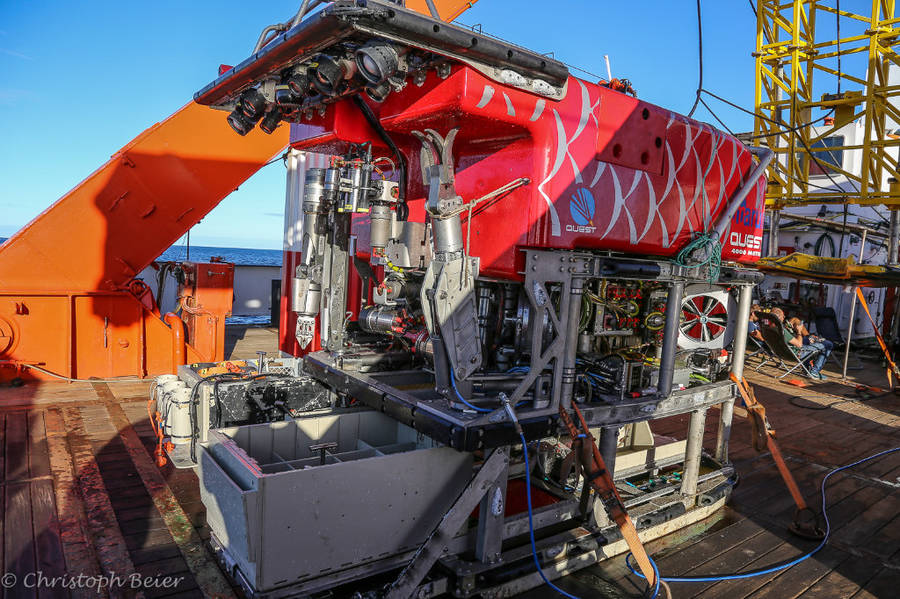
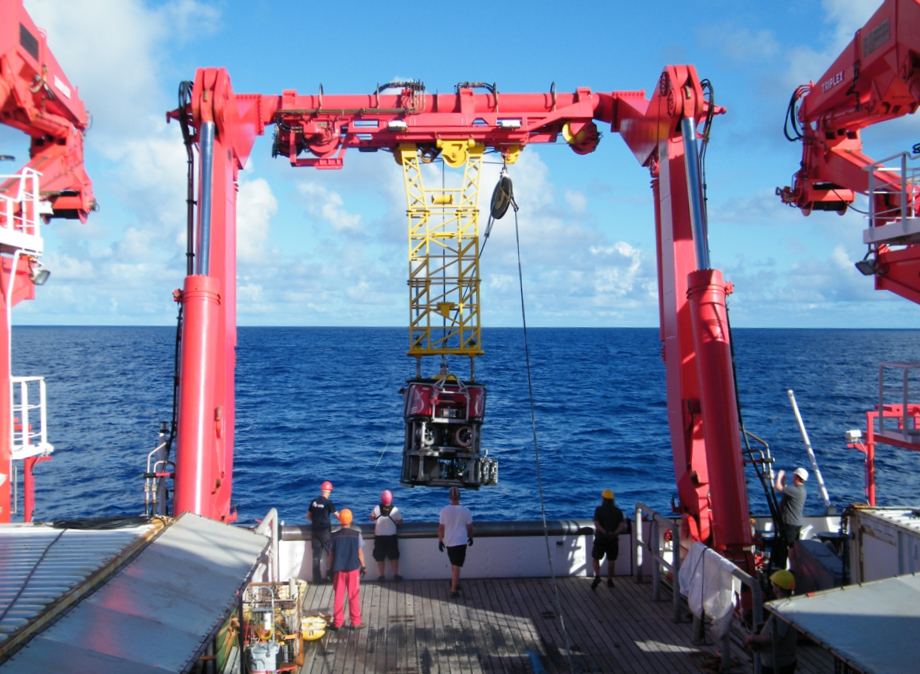
The ROV (remotely operated vehicle), an unmanned robot remotely controlled from onboard, can be used to take high-resolution images and videos of the seafloor. In addition, various tools allow rock samples to be broken off, grabbed and placed in individual recovery vessels. Biological samples, water and gas samples can be taken.
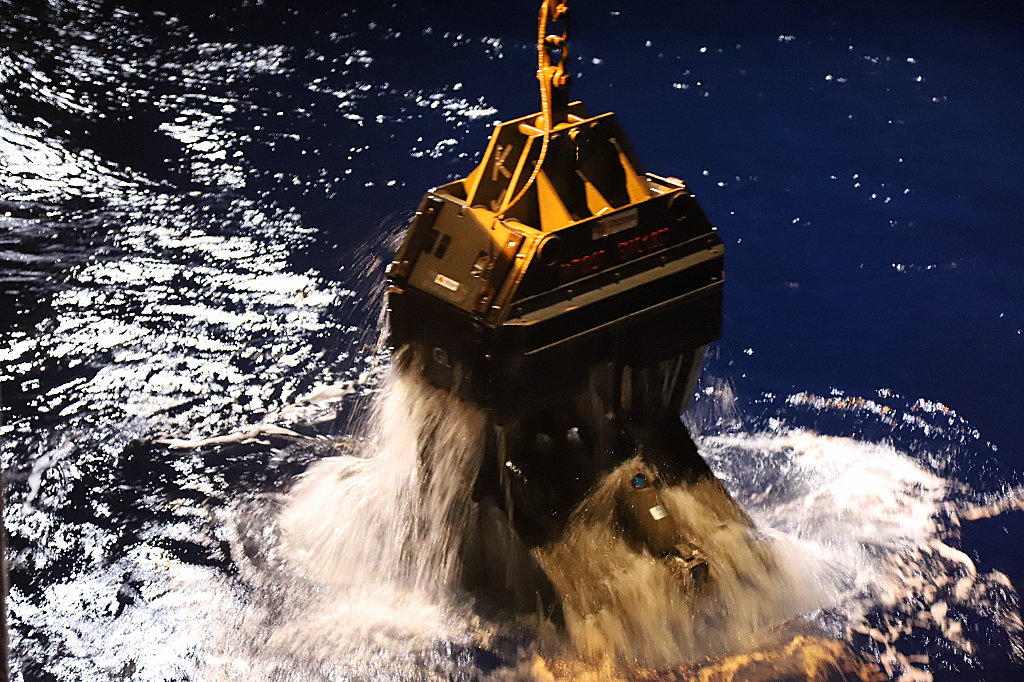
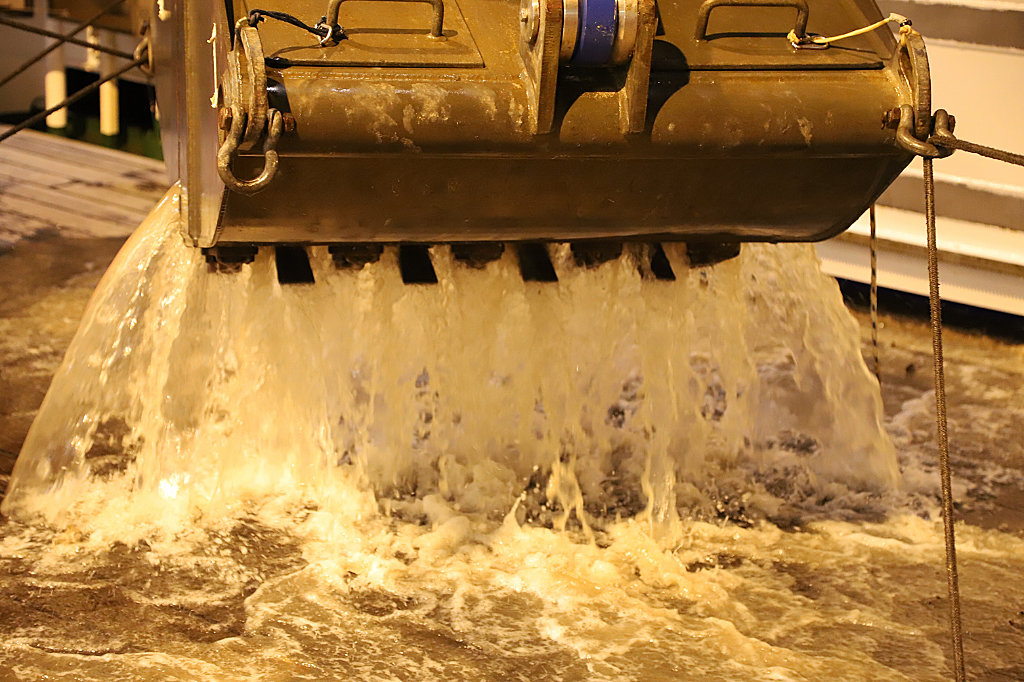
TV-Grab
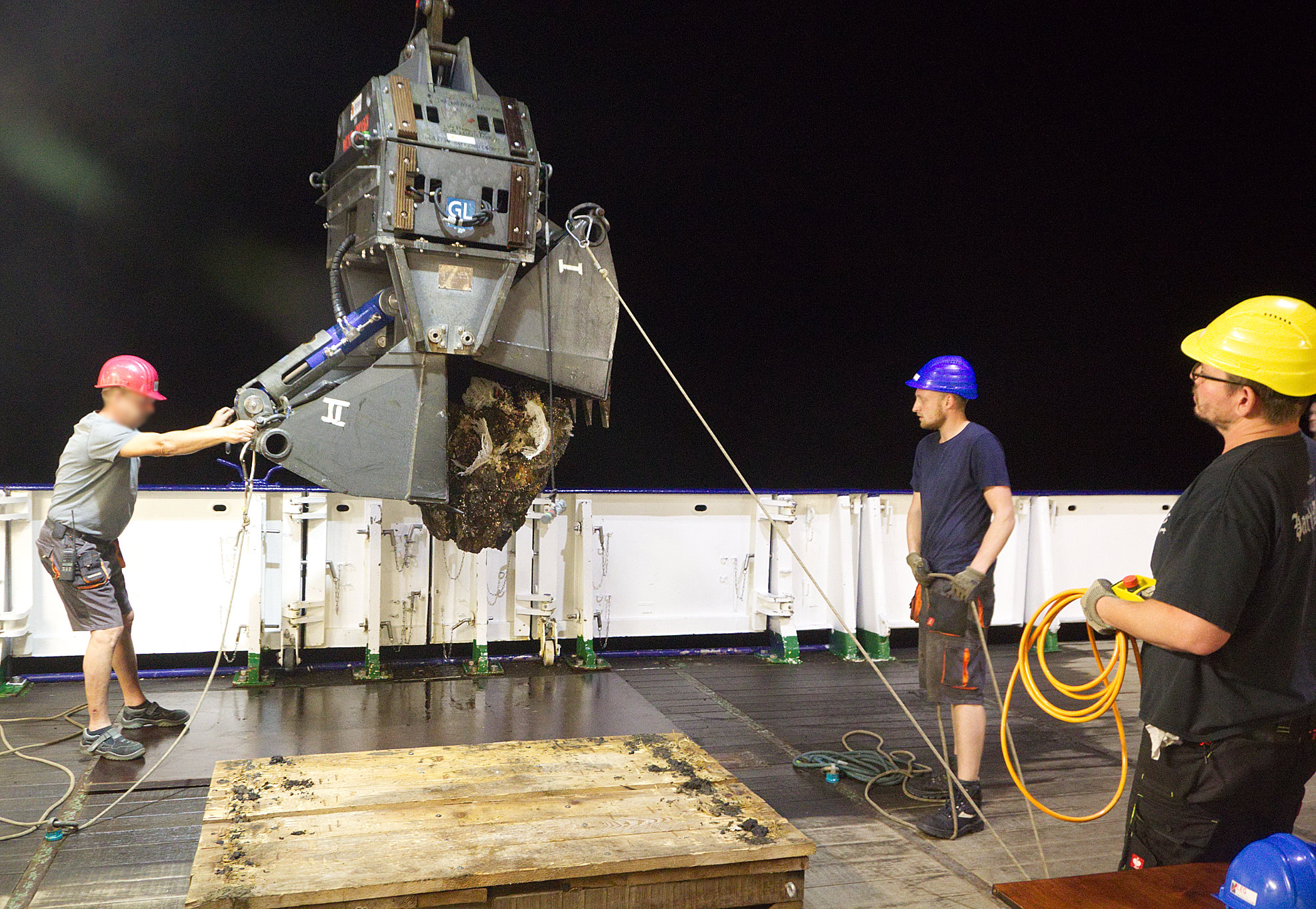
Photo: Stefan Krumm, LEG
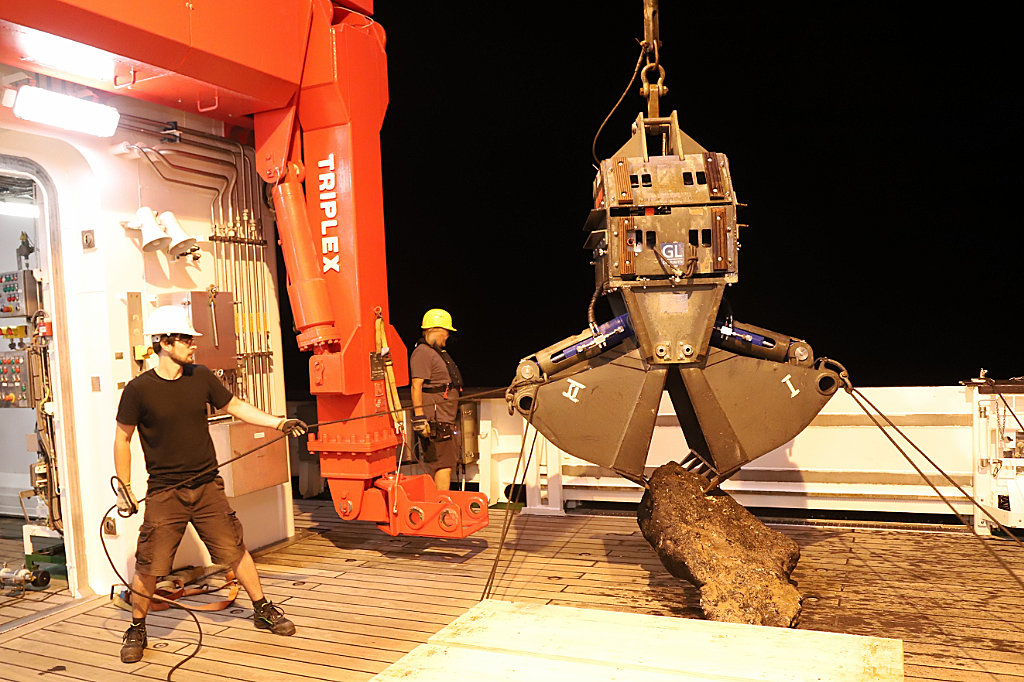
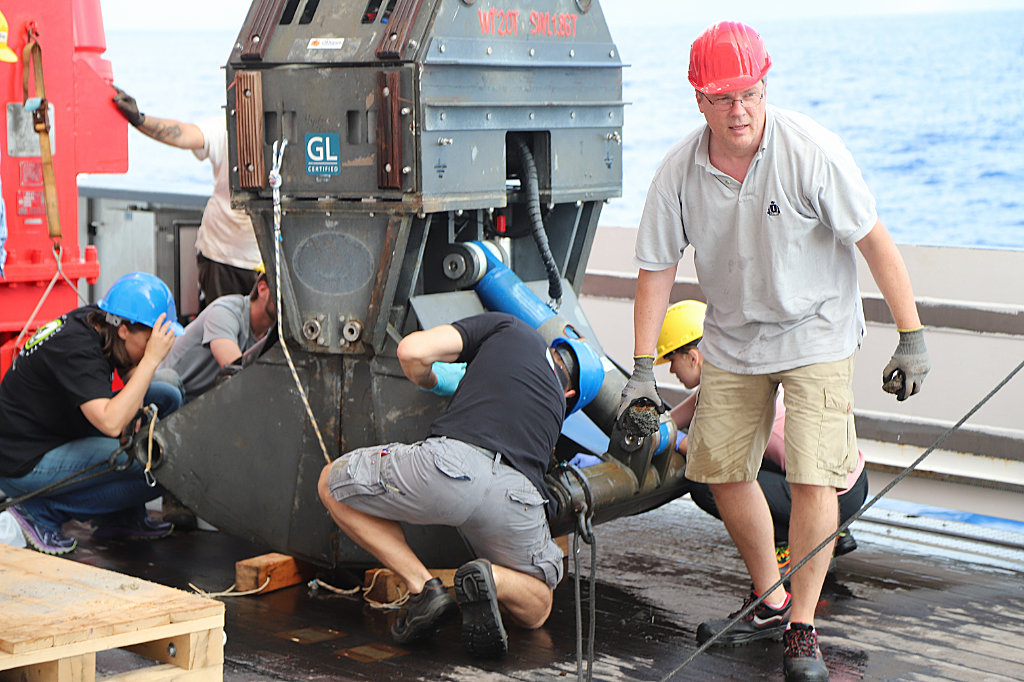
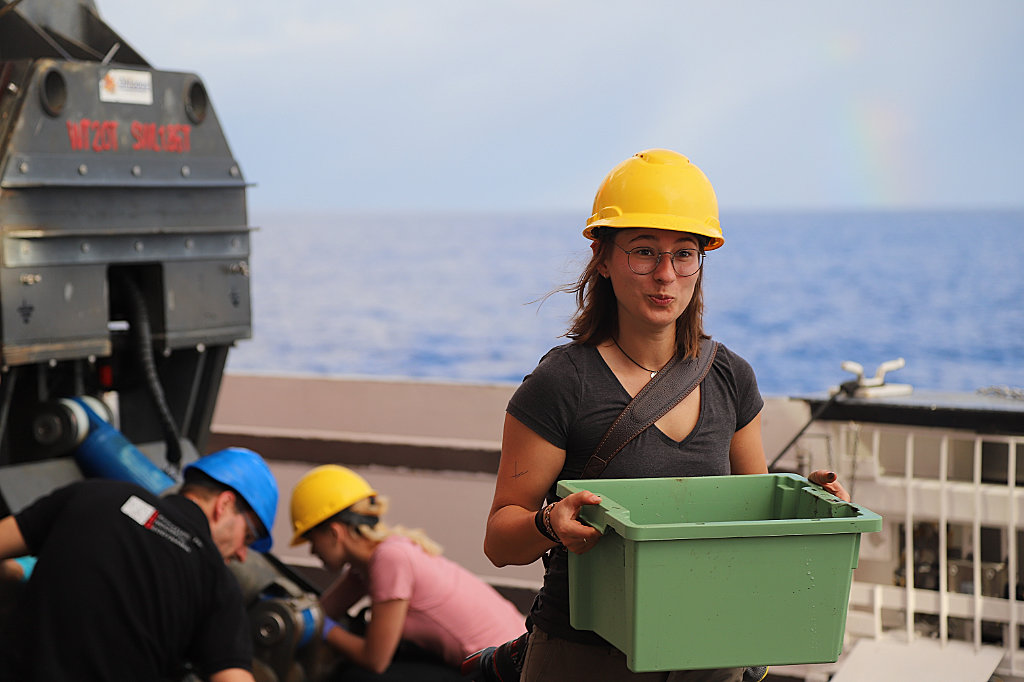
The TV-grab is a hydraulic dredging bucket with an integrated video camera. The TVG is lowered overboard by a winch and stopped a few meters above the seafloor. Using the bow thrusters, the vessel is slowly driven in any direction until a site suitable for sampling is found. Then the TVG grabs hold and the samples are brought on board.
Crane water sampler, CTD
With the CTD, conductivity and water temperature can be determined as a function of water depth. The depth sampler allows water samples to be taken from the corresponding depths, which can then be analyzed on board or in the laboratory for other chemical, isotopic and biological parameters.
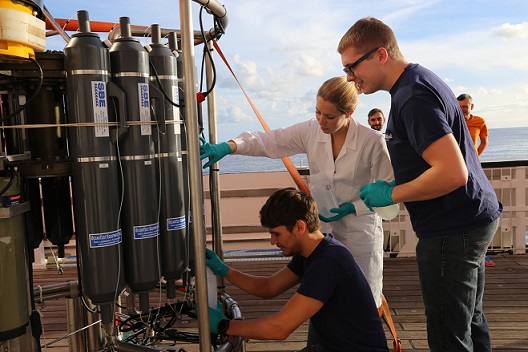
Photo: Marie Heidenreich
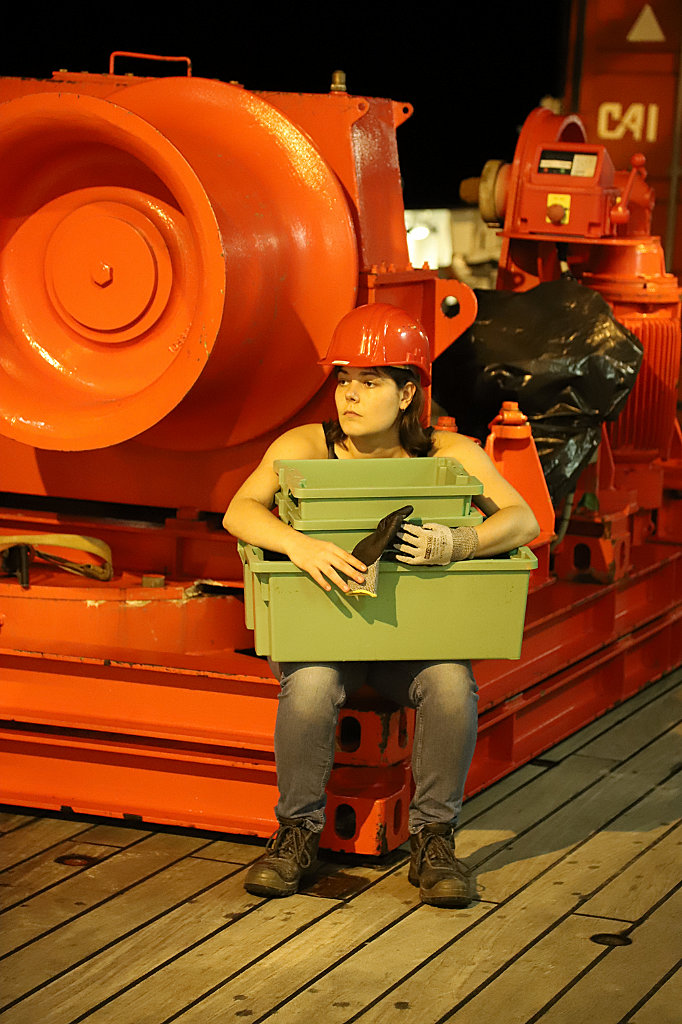
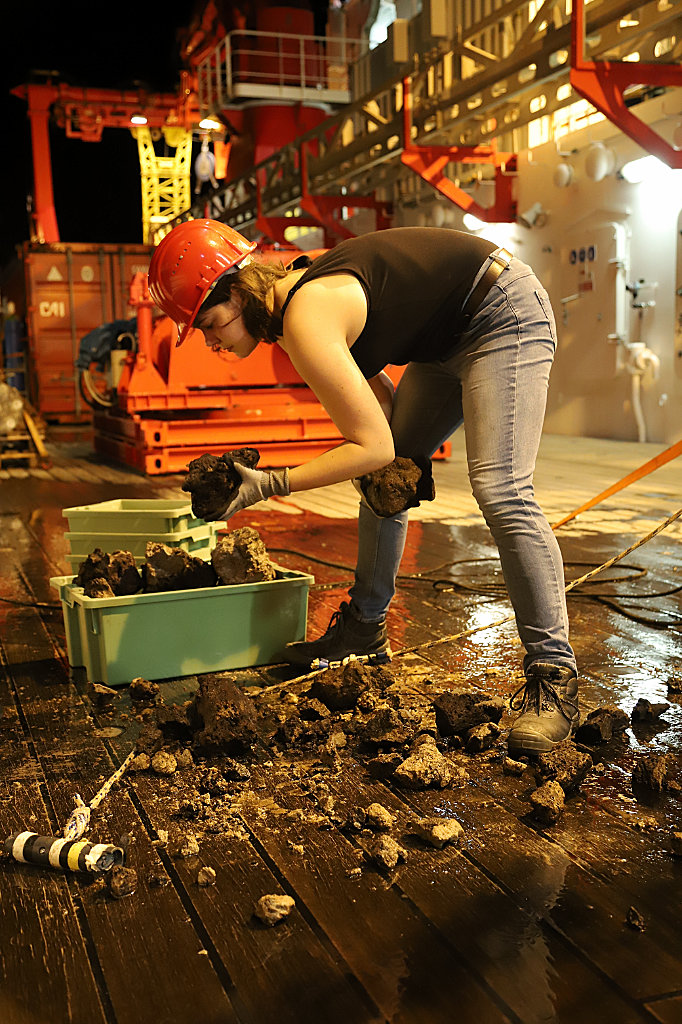
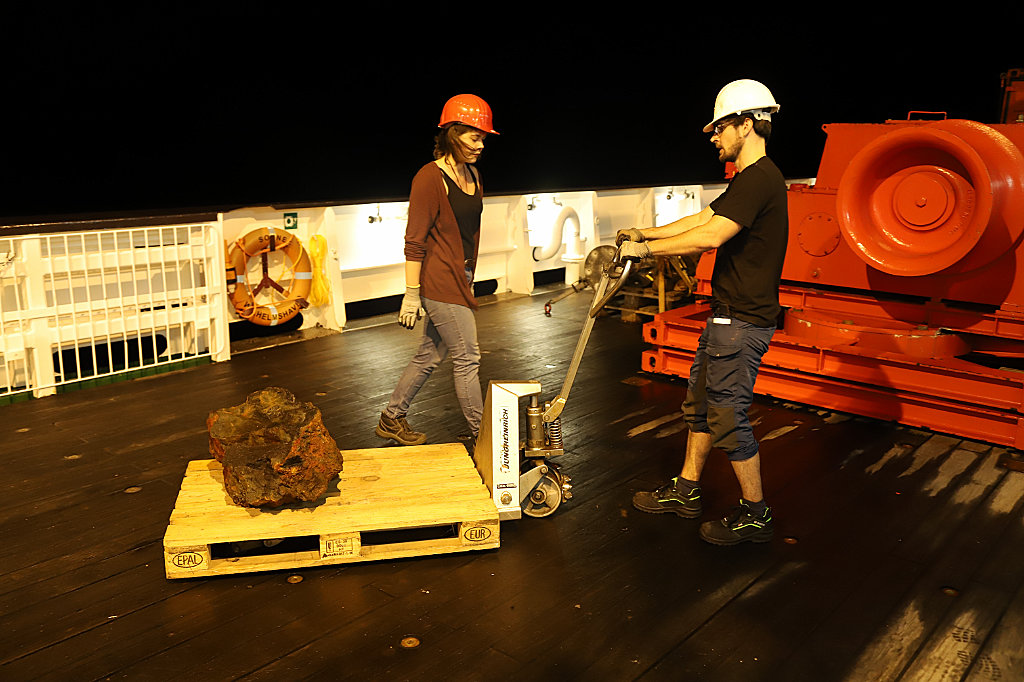
Foto gallery – out team at work
June 25, 2018: SO263 – The SO263 expedition comes to an end – “Your check, please!”
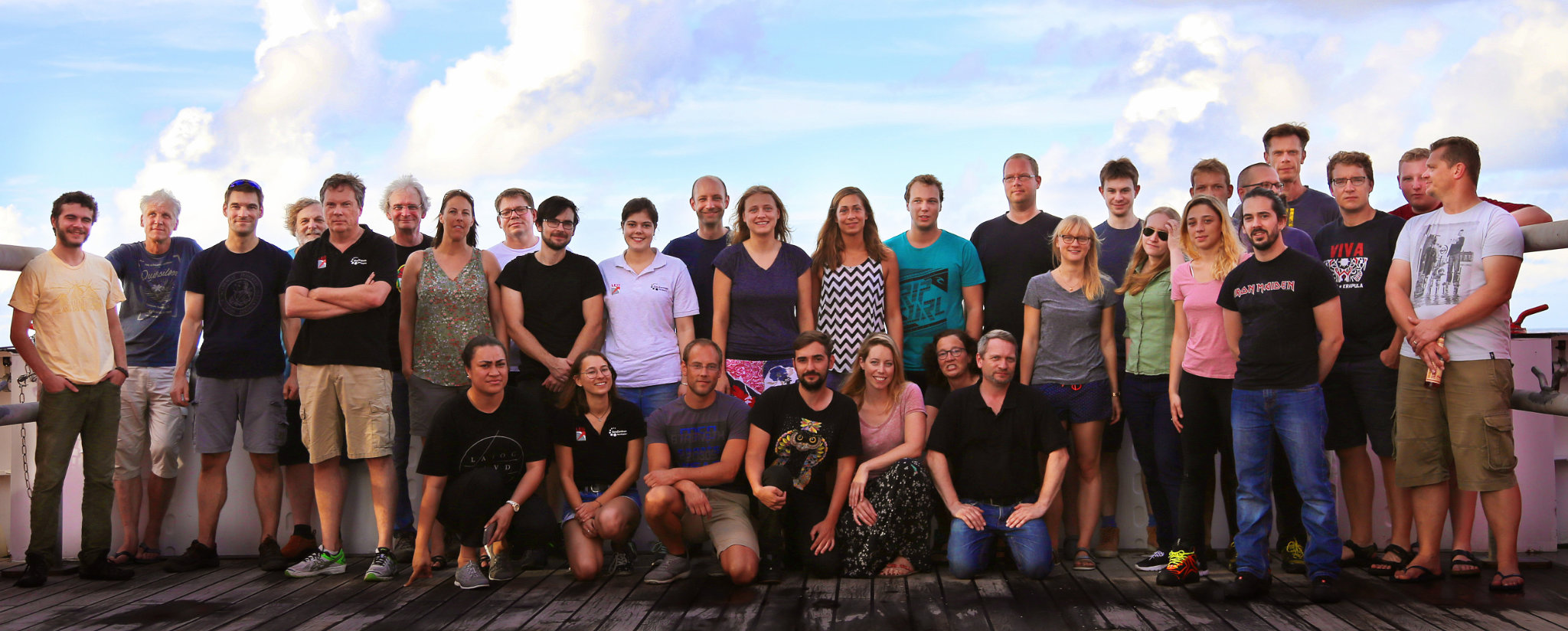
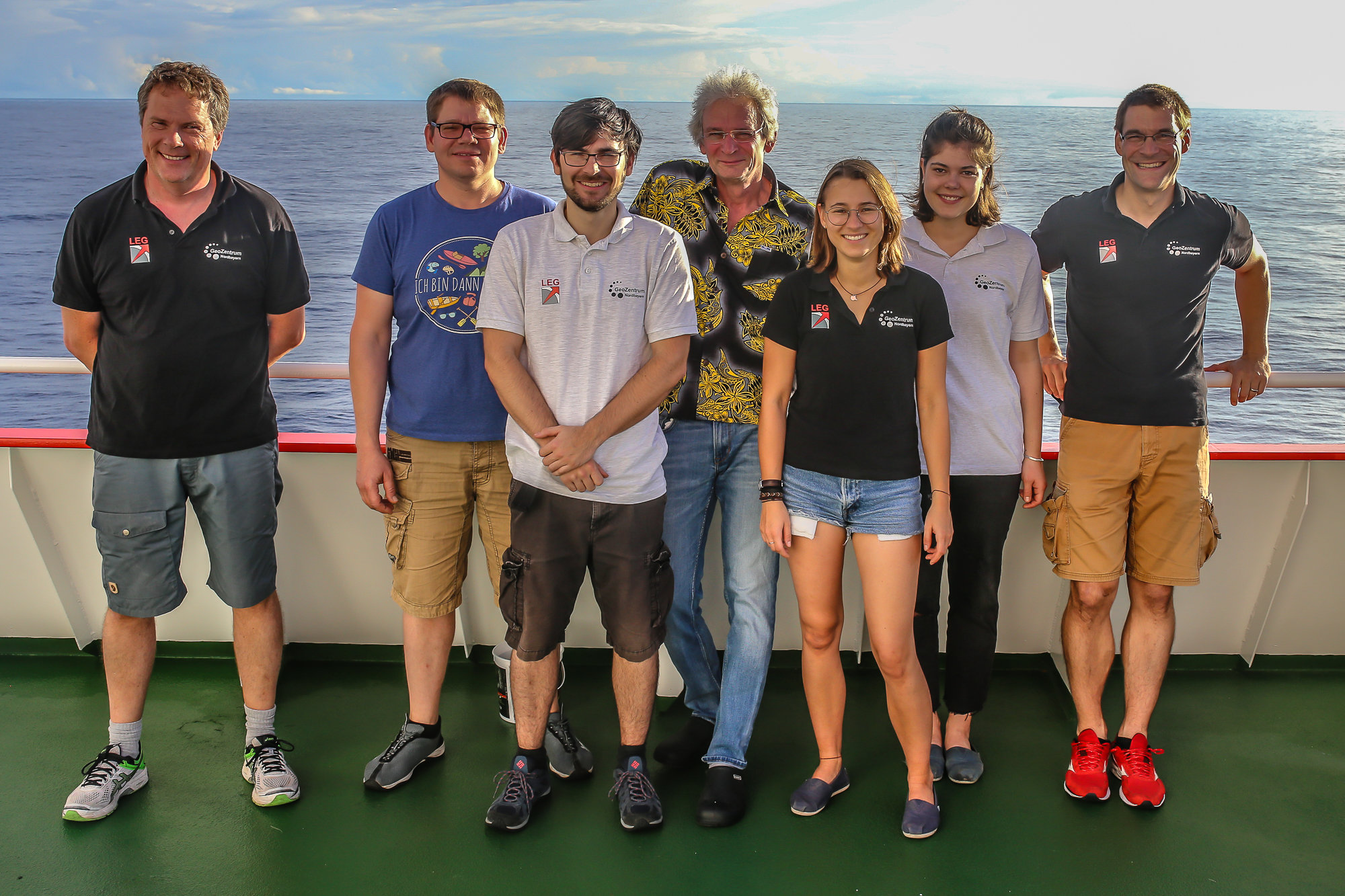
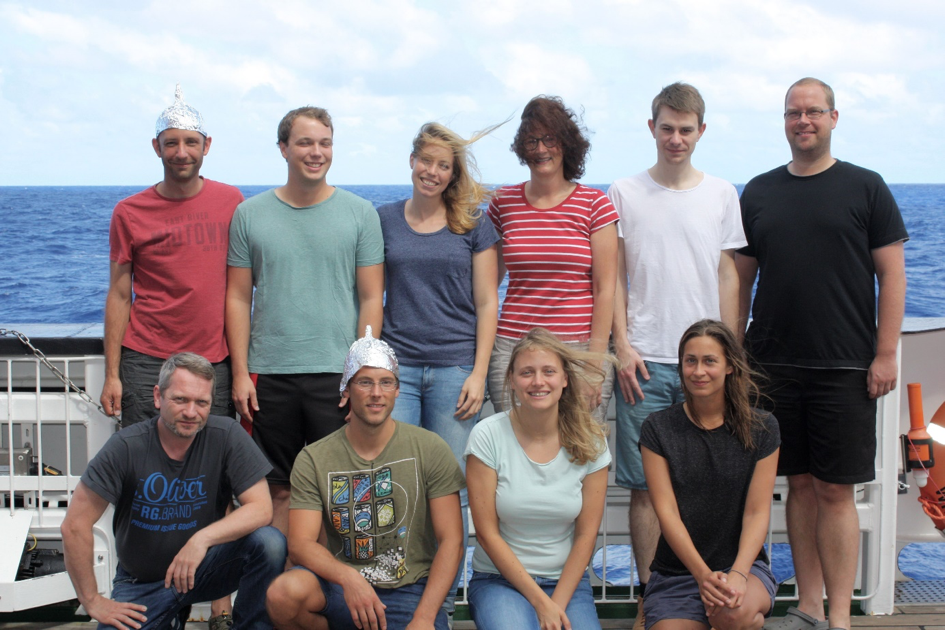
Group photo of the scientists of SO263 (W. Borchert)
We are now back on our way to Suva, Fiji, where we will arrive on Wednesday, June 27, 2018, at around 8:00 a.m. We are looking forward to being greeted with “Bula” (Fijian for hello).
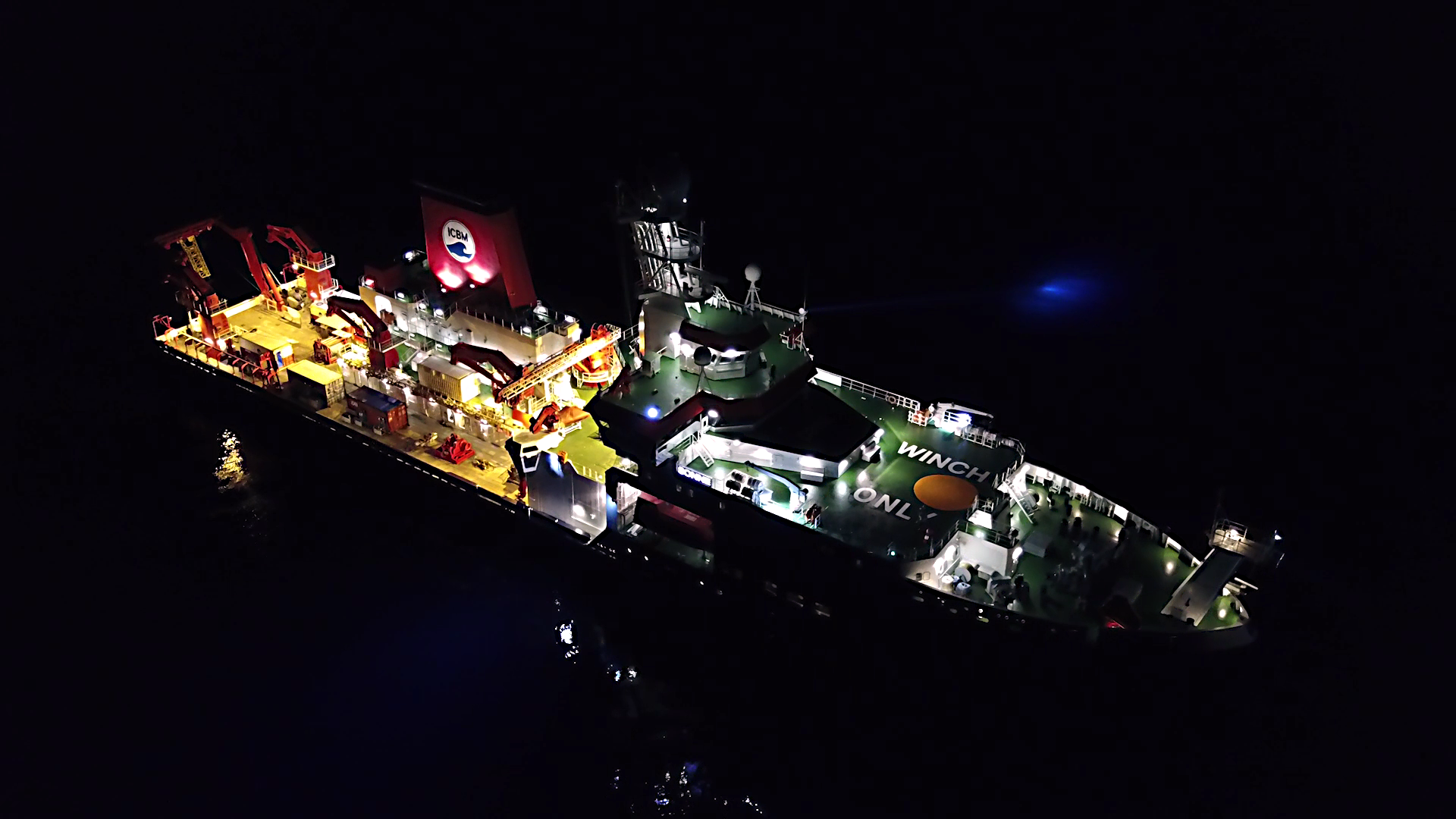
All the crates are packed, stowed away in the container, and secured. Now we just need to clean the labs, evaluate the final data, write the voyage report, and tidy up the cabins before we have to leave the SONNE—our home for the last four weeks—on Thursday.
The expedition was very successful, and the doctoral and postdoctoral students on board in particular have a wealth of material to draw on for their dissertations and publications in the coming years.
Here are a few more figures about the SO263:
35 scientists
21 working days
131 stations
17 MARUM-QUEST dives
62 TV grab stations
22 deployments of the volcanic rock tube
19 deployments of the crown water sampler (CTD)
3000 liters of water were brought on deck by the CTD.
300 rock samples and 50 sulfide samples were taken from the seafloor.
162 separate fluid and plume samples with more than 500 subsamples were processed.
334°C was the temperature of the hottest fluid sample.
277 mussels were collected, 140 of which were dissected directly on board
116 crates of scientific equipment are stored in 2 containers
4000 were eaten by us
500 kg of meat were processed
405 L of coffee were consumed
2 islands provided variety amid the endless blue.
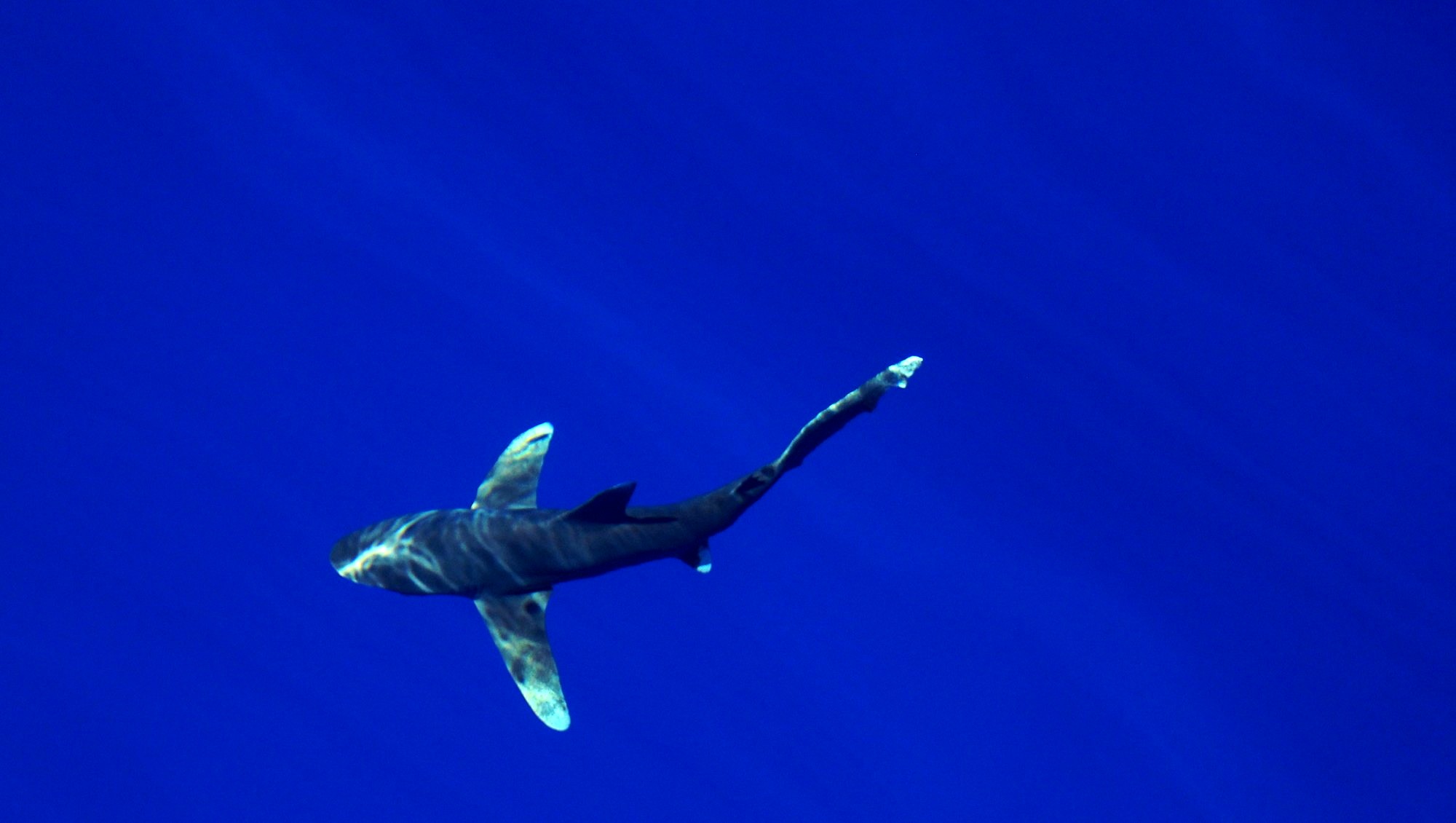
1 shark accompanied the SONNE for a day.
In two months, it will be time to unpack containers and boxes, although some of us are already working on packing lists for the next expedition.
(C. Kleint, Bremen)
June 23, 2018: SO263 – Rocks from the seabed
The working group led by Prof. Dr. Karsten Haase is sampling rocks that are commonly found in subduction zones and associated volcanoes as part of SO263. The aim is to gain a better understanding of the processes involved in the formation and ascent of magma in subduction zones and to obtain new insights into magmatic and hydrothermal cycles.
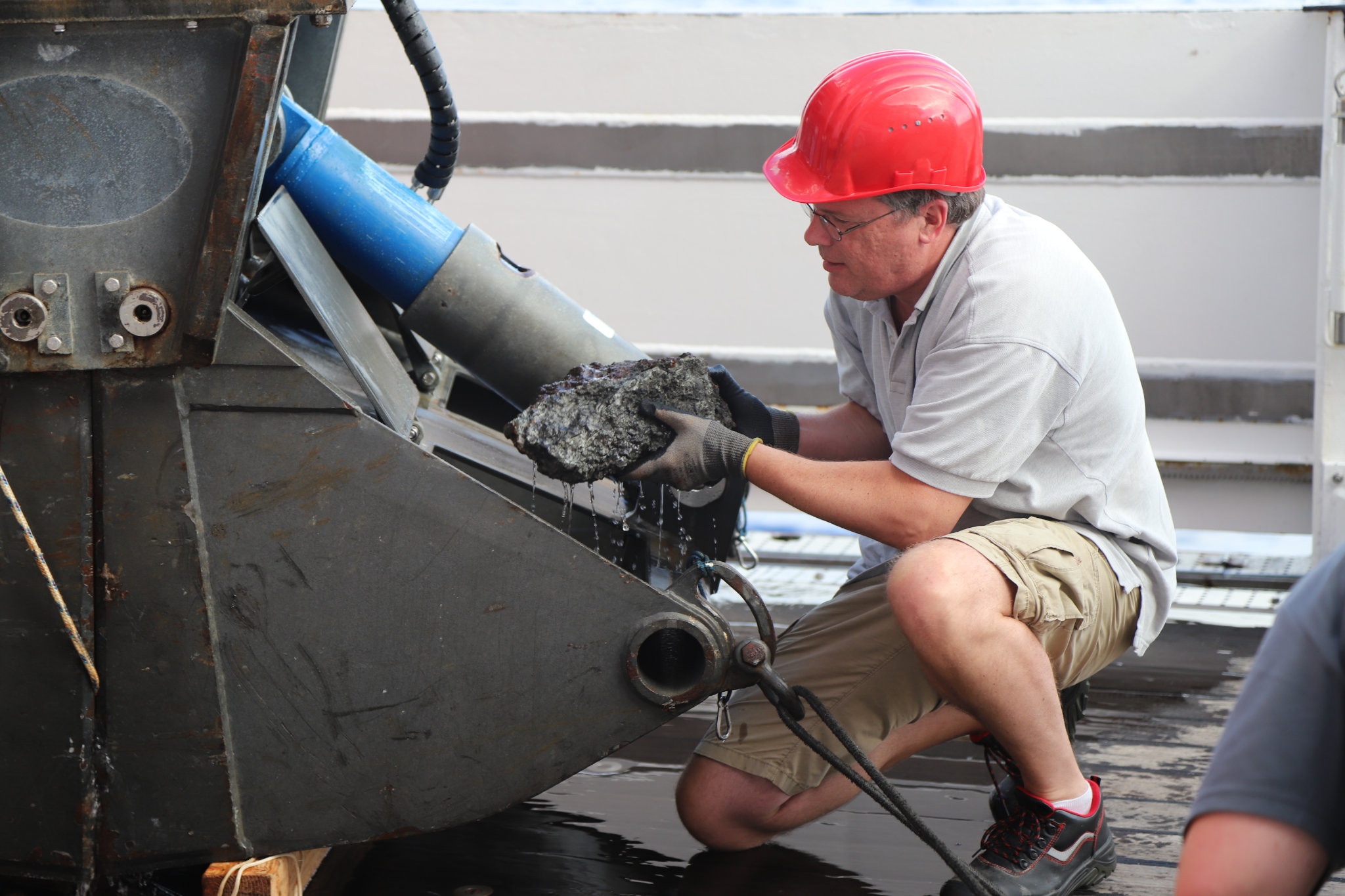
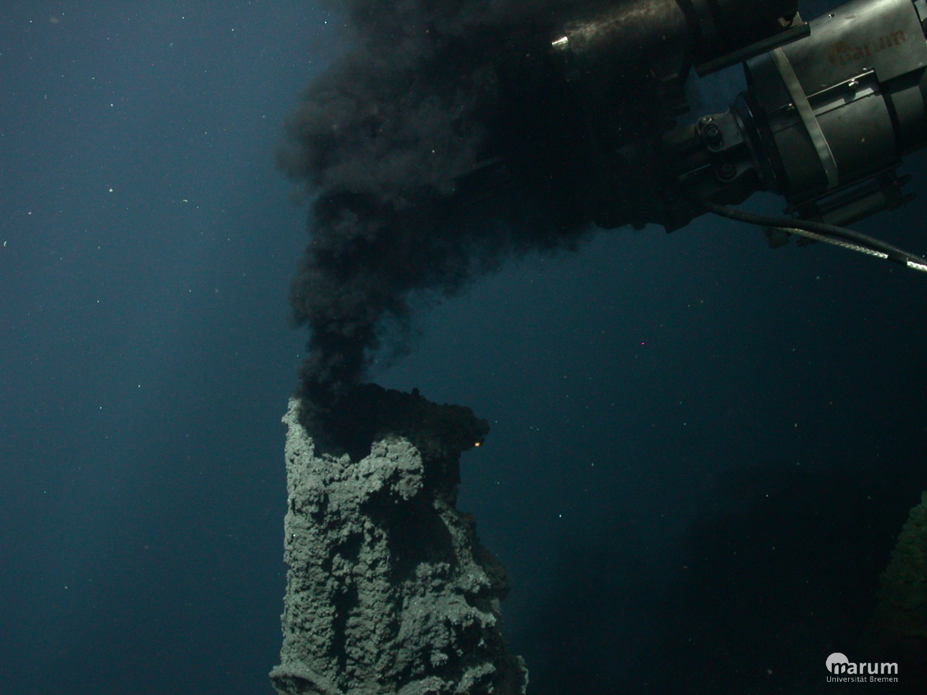
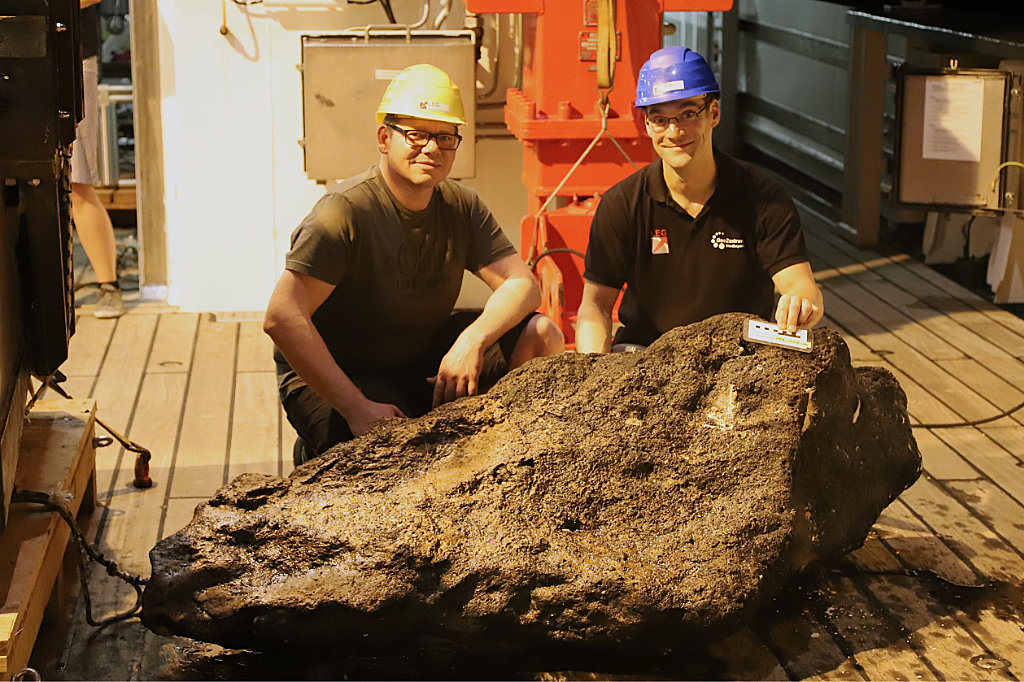
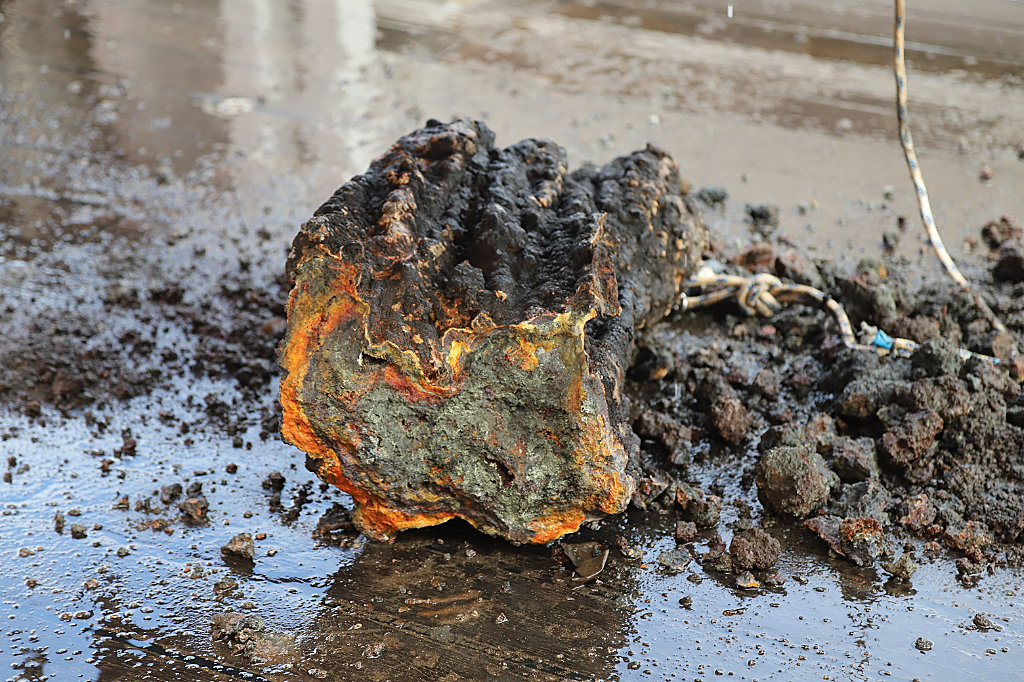
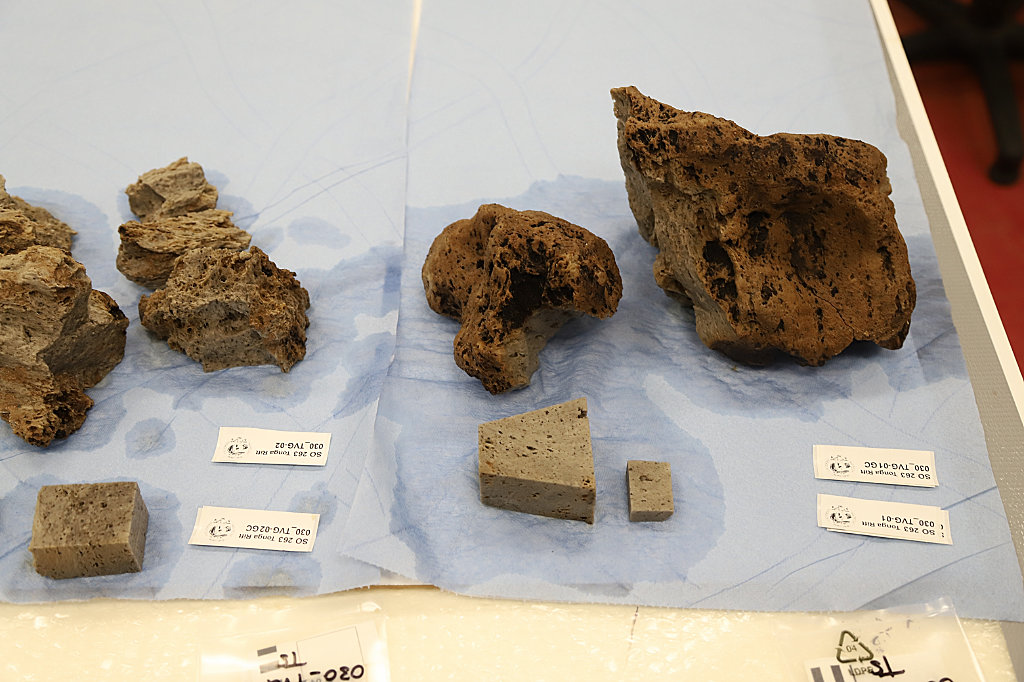
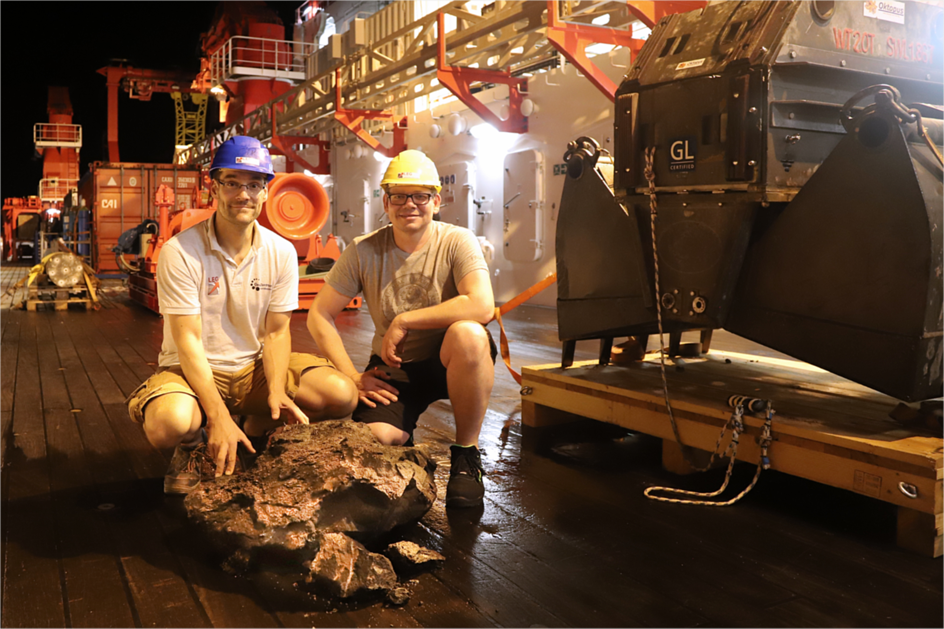
To this end, samples of magmatic rocks and sulfides are taken from active hydrothermal vents on the seabed, known as black smokers. Many of the geological samples are taken using a hydraulic, video-guided grab (TV grab). Here, the seafloor is sampled at selected locations. This type of sampling allows the petrologists and geochemists on board to view the sampling locations live via the grab’s built-in camera and to use the large excavator shovel to hoist a larger quantity of rocks onto the ship’s deck.
During the day, specific sampling areas are also explored using MARUM-QUEST.
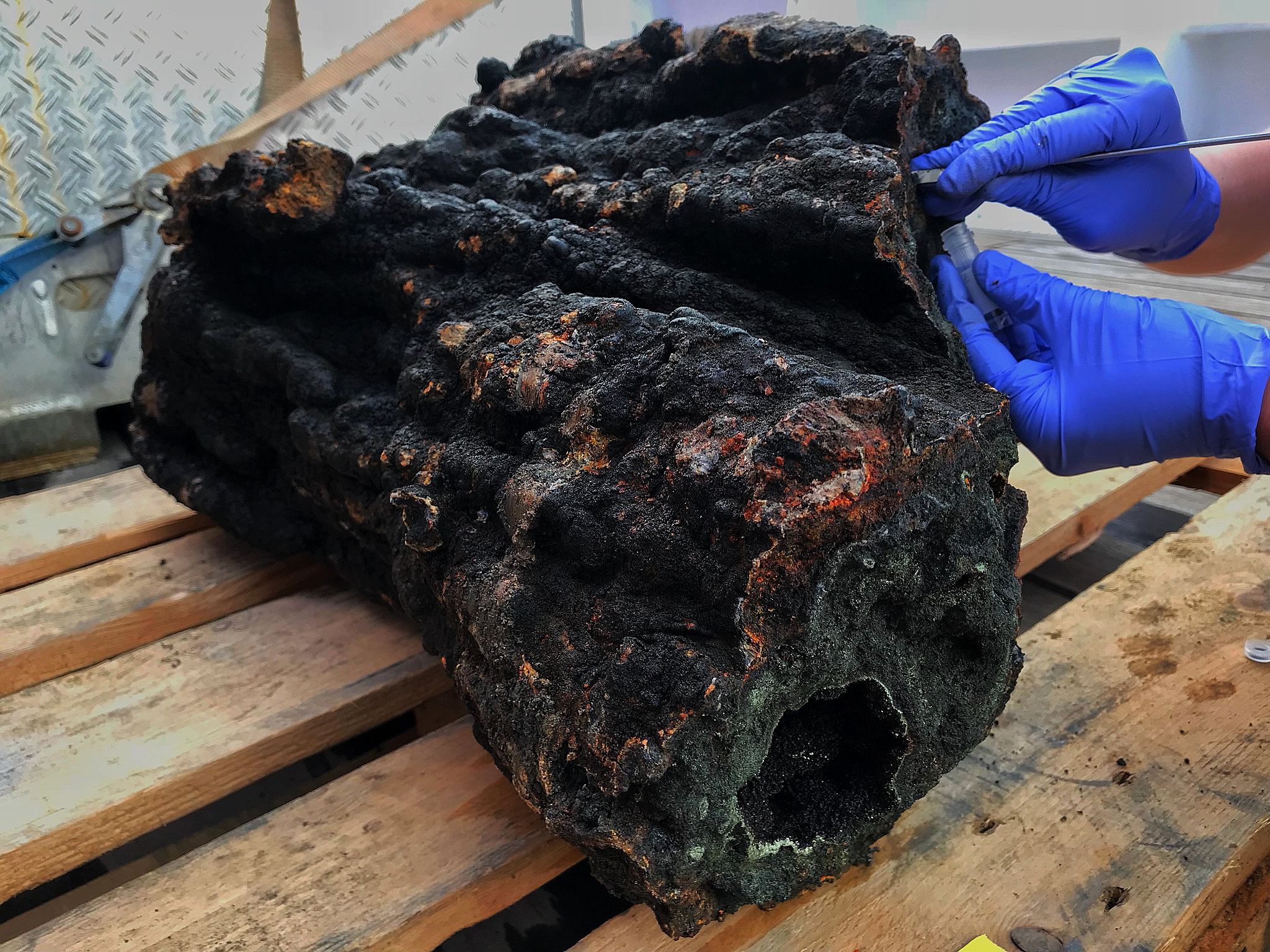
Another method of obtaining geological samples is the volcanic impact tube—a very reliable method that does not require much modern technology, in which a weighted tube strikes the rocks and volcanic glass sticks to certain devices. This glass is formed when hot magma (approx. 1250 °C) flows out underwater and is cooled by the temperature difference. Geologists consider this glass to be an important indicator of the composition of magma and it is an important component of petrological and geochemical research. Once the rock, sulfide, and glass samples are on deck, they are prepared by the scientists for further geochemical analysis at the respective participating institutes.
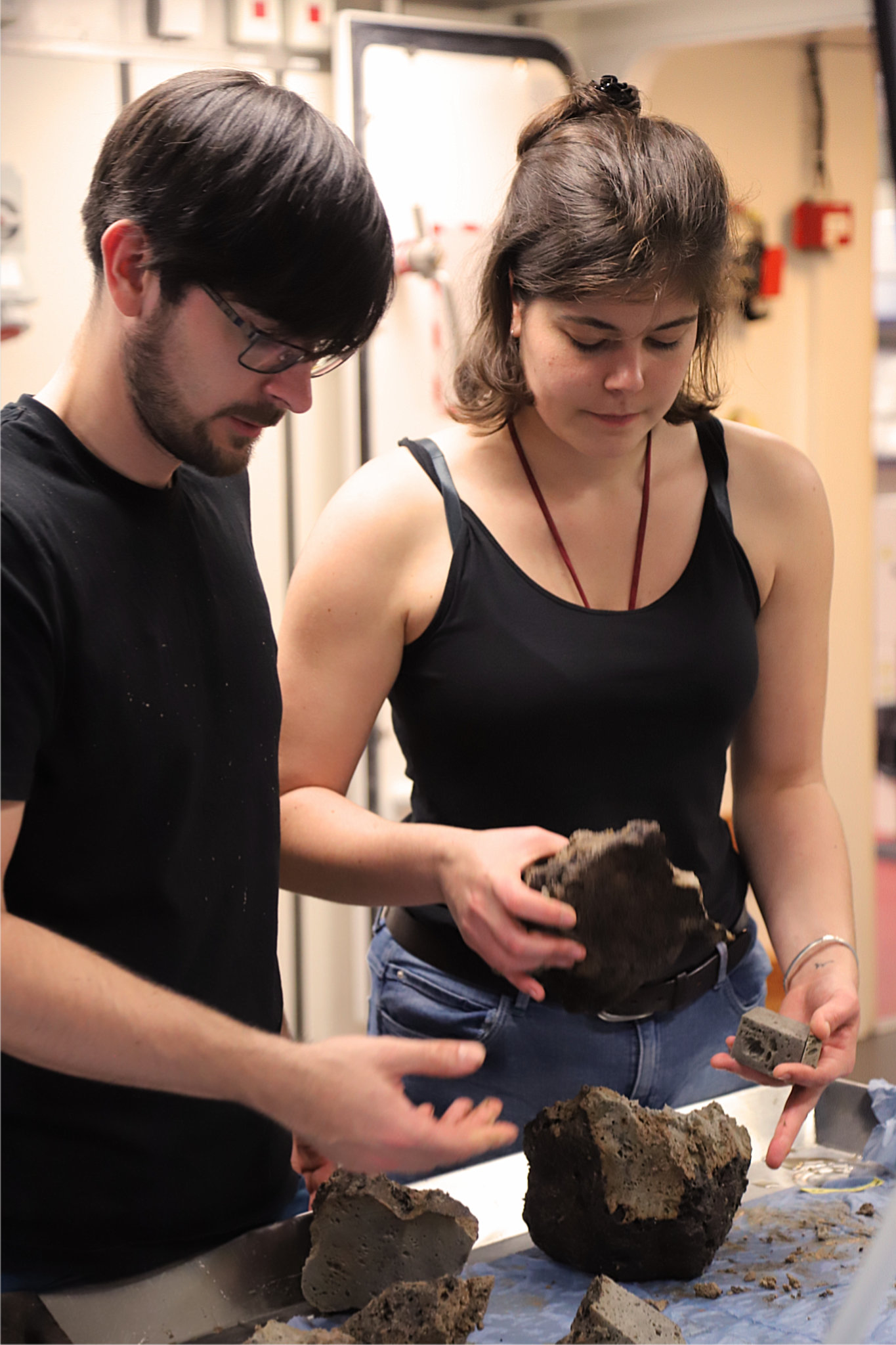
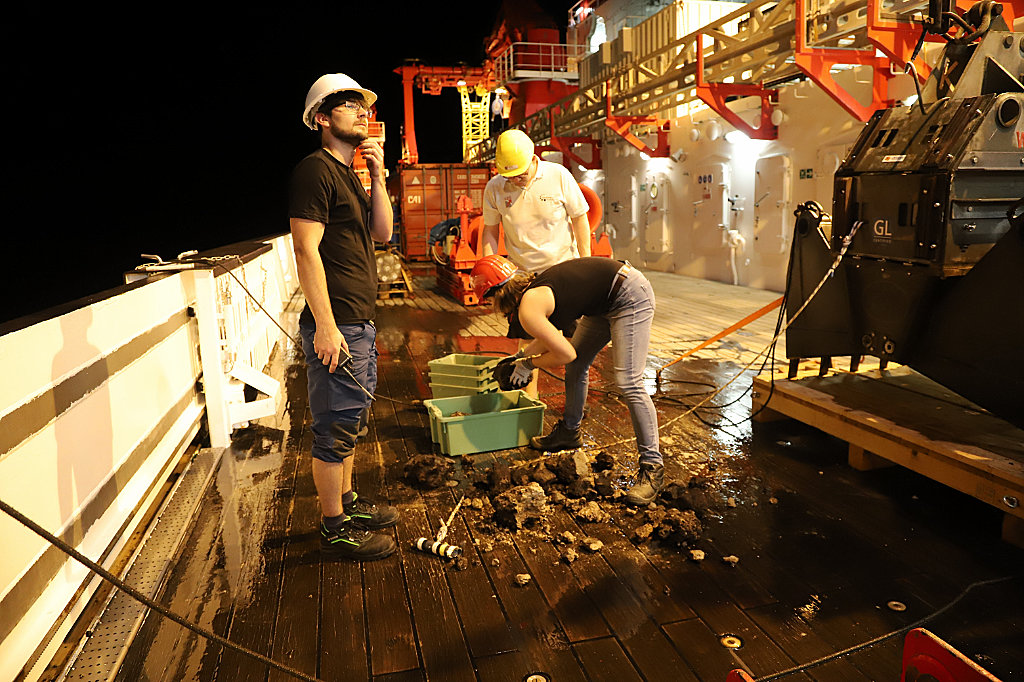
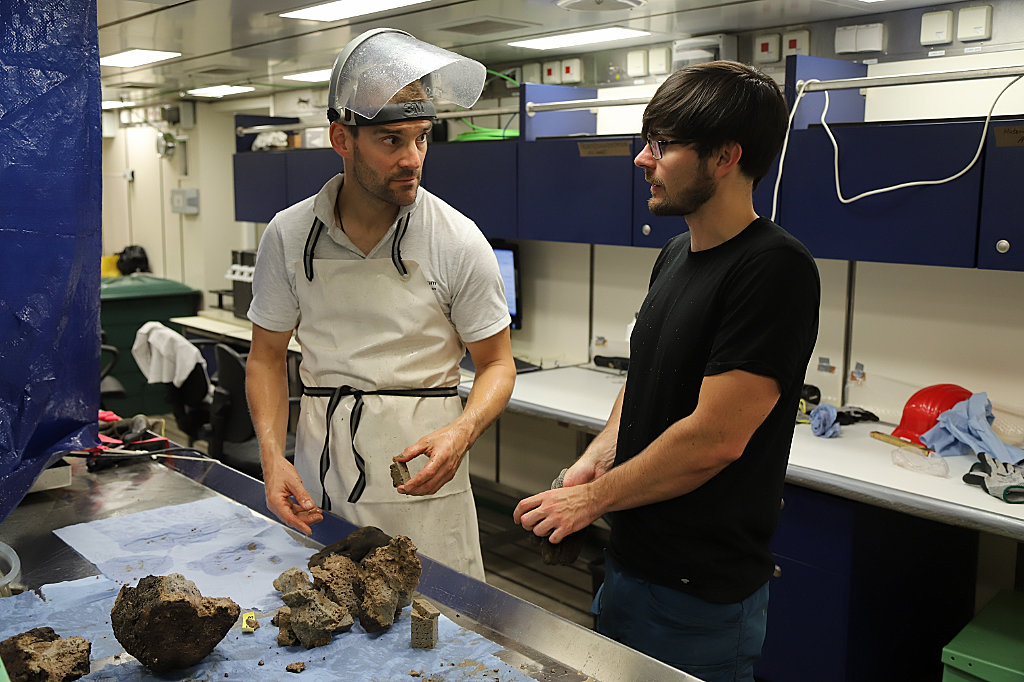
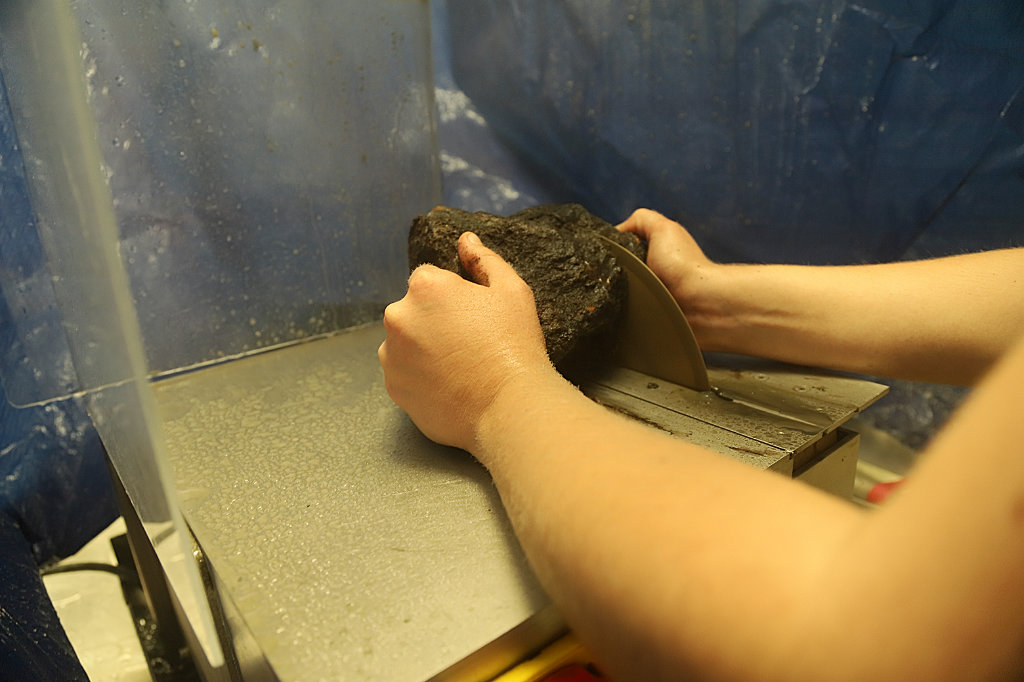
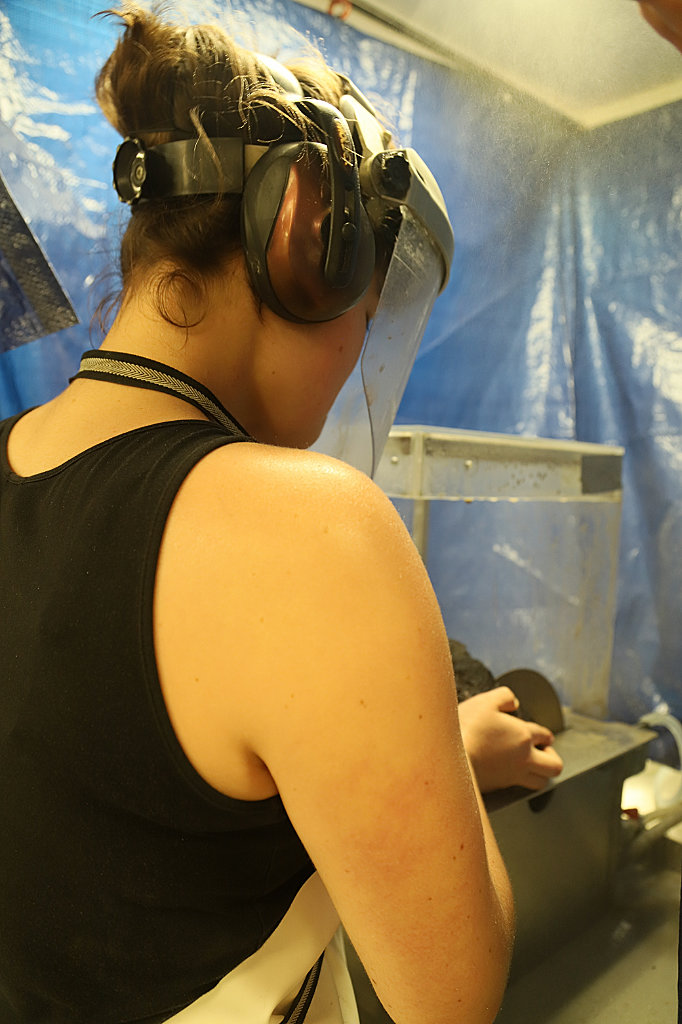
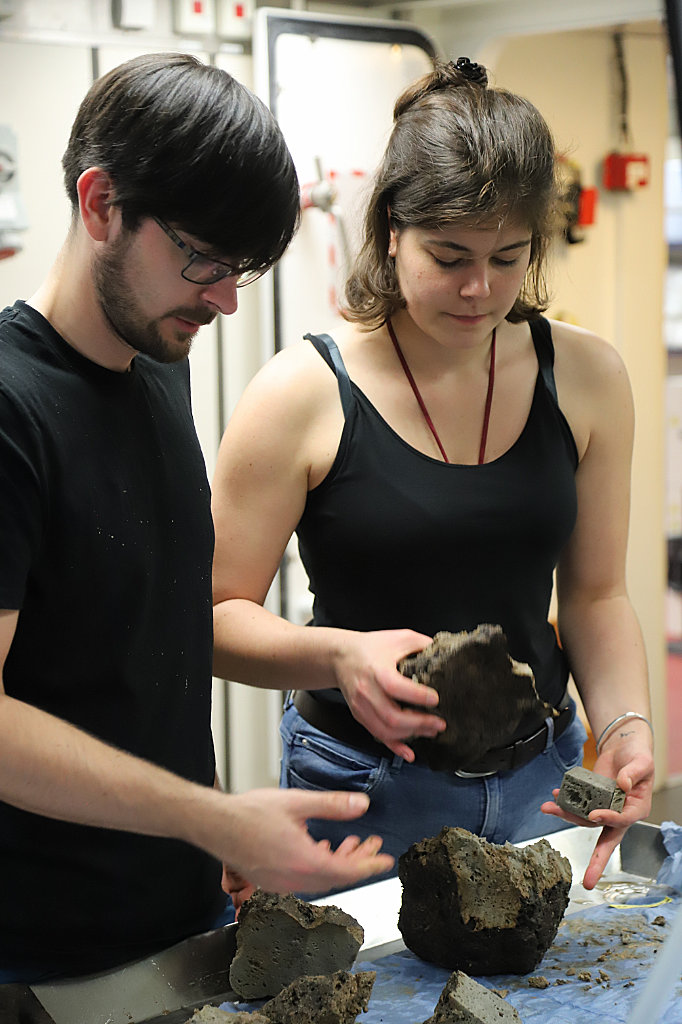
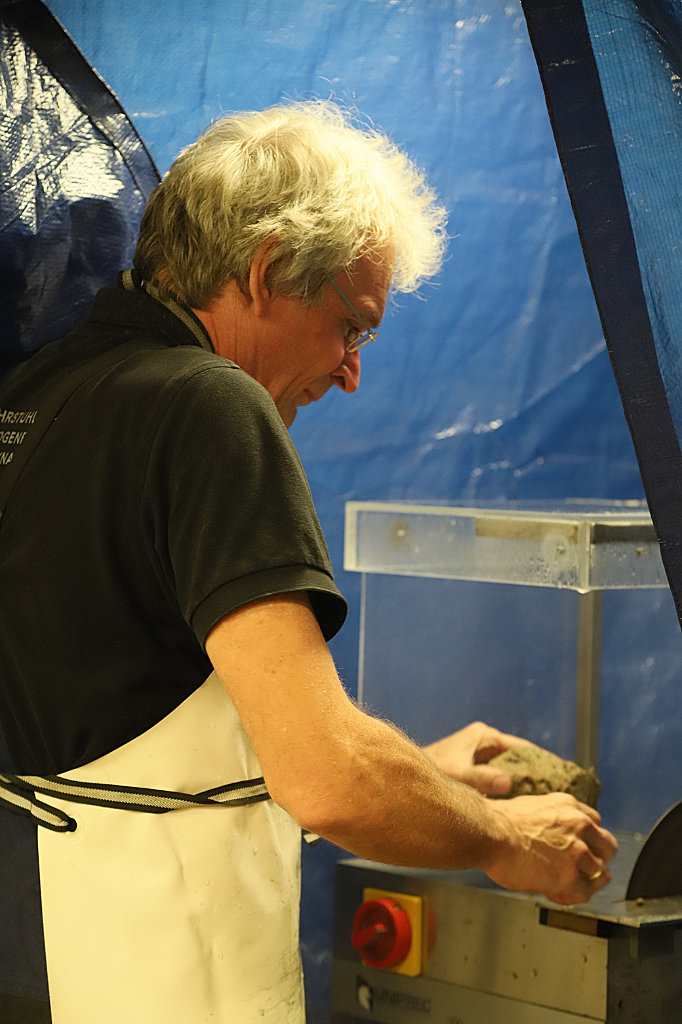
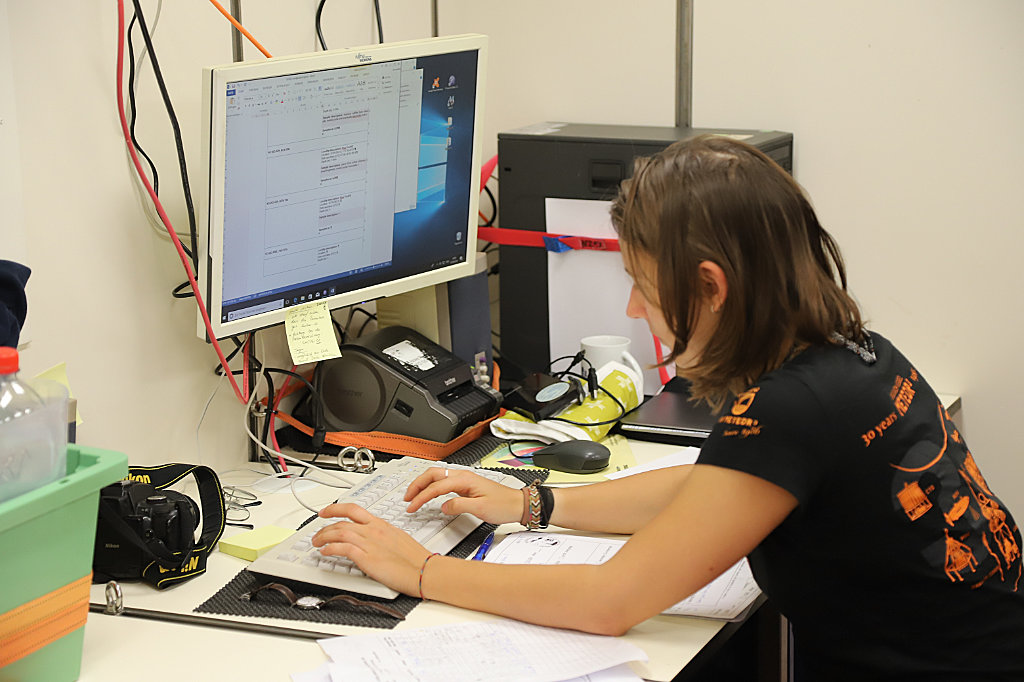
This work involves selecting and sorting the samples and documenting them in detail. First, the rock samples are photographed, measured, and cut. This is followed by a description of the rocks and mineral deposits, as well as documentation of their textures and appearance. The samples are then ready for transport to Erlangen, to the GeoZentrum Nordbayern at Friedrich-Alexander University Erlangen-Nuremberg, where further analyses are carried out.
June 20, 2018: SO263 – Microbial hydrothermal communities
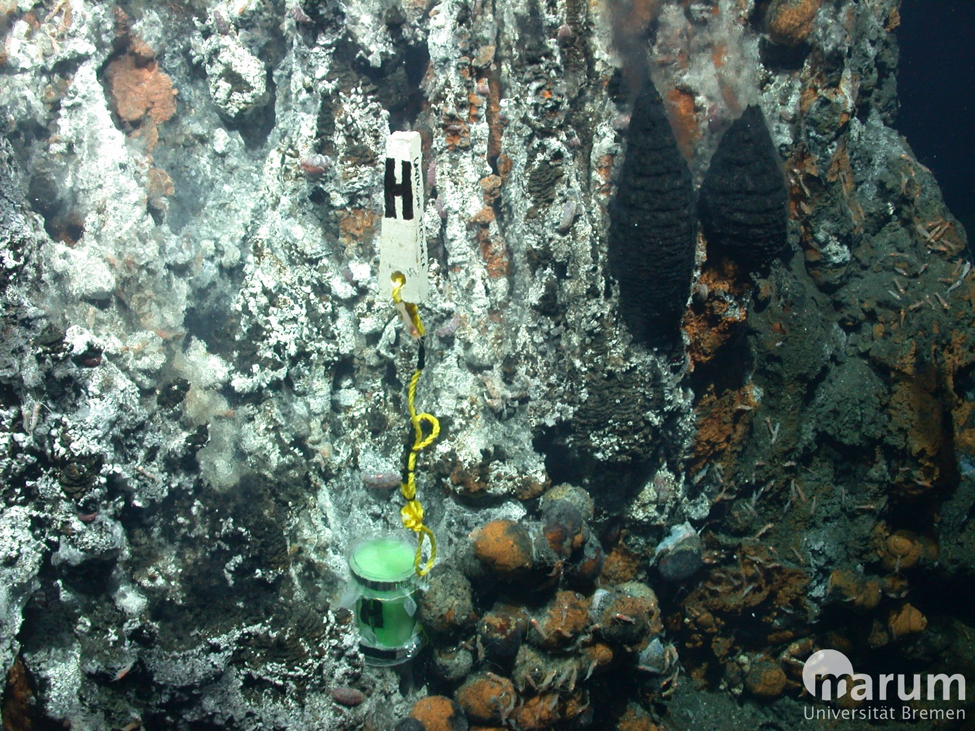
The life forms found on Earth are divided into three categories. Two of these categories comprise organisms that are so small that they can only be seen with a microscope—the so-called microorganisms—which belong to the domains of bacteria and archaea. The third life form, eukaryotes, includes all living things that we see around us every day (plants, animals, etc.), but also many microorganisms – protists, which, unlike bacteria and archaea, have a more complex structure and lifestyle. Two of the microbiologists on board the SONNE are trying to find out which microorganisms live in this extreme habitat near volcanic systems and how they influence life on the sea floor.
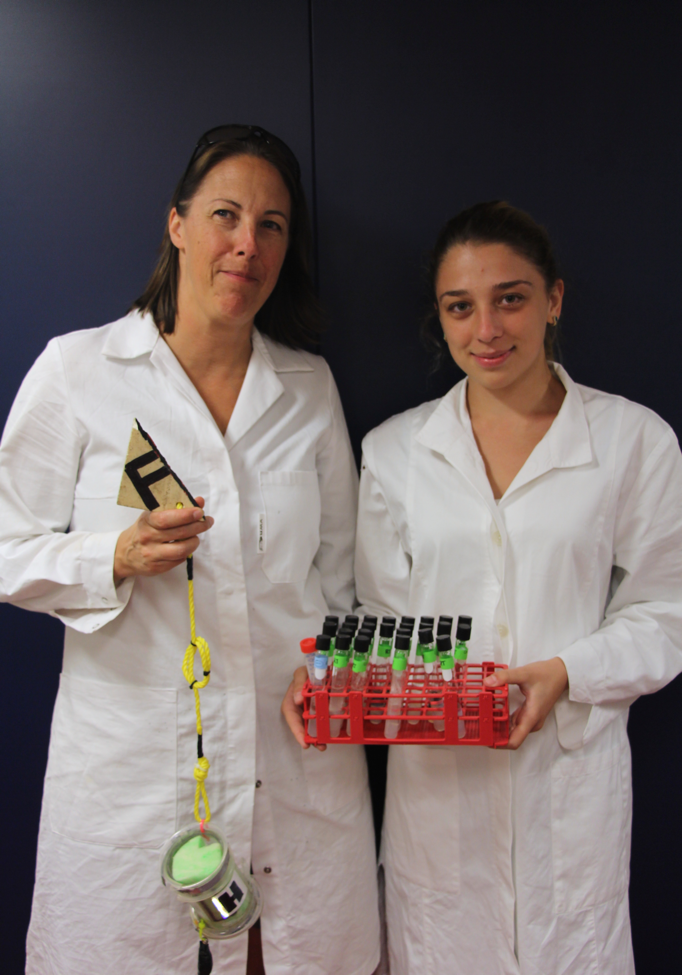
Bledina Dede (Max Planck Institute for Marine Microbiology, Bremen, Germany) is interested in the bacteria and archaea that live on and around hydrothermal vents. The seawater and rocks near these systems provide a habitat for millions of microorganisms. Therefore, large quantities of water samples are filtered and rock surfaces are carefully scraped to collect sufficient biomass for DNA/RNA sequencing. This enables accurate characterization of the microbial communities and their metabolic capabilities. In addition, seawater is incubated with various substrates that can be used as “fuel” by chemolithotrophic bacteria. In this process, the bacteria convert carbon into organic matter without any sunlight. The incubation experiments help us understand changes in microbial communities due to the environment and provide additional information about possible food sources for the microorganisms.
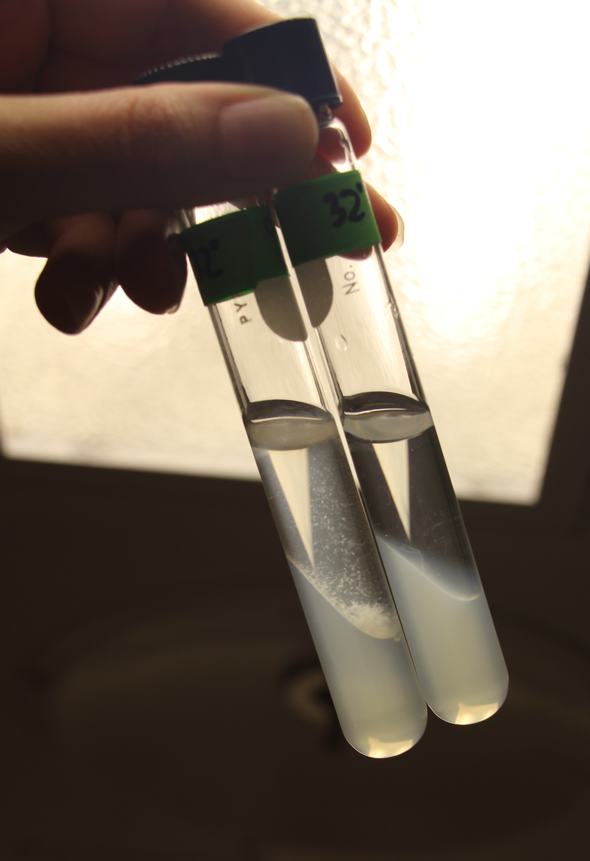
Sheryl Murdock (University of Victoria, Canada) exposes “colonization chambers” to the warm and diffuse hydrothermal fluids in the springs for several days in order to “capture” protists and, after retrieving the module, examine them further in the laboratory. The “colonization chambers” themselves initially attract only bacteria and archaea, which live in large quantities in the warm fluids. These in turn serve as bait for the protists. In the laboratory, the protists are cultivated in “laboratory tubes” in order to characterize their behavior and obtain sufficient material for DNA analysis. Information about the associated fluid samples (from which the protists originate) helps to further describe the habitat of these organisms and their chemical tolerances to extreme living conditions.
June 19, 2018: SO263 – Trace metal input into the ocean

In addition to the fluid chemists from the University of Bremen, who primarily focus on gases in fluids, the team of fluid chemists on board consists of Annika Moje, Charlotte Kleint, and David Ernst from Jacobs University in Bremen, Britta Planer-Friedrich from the University of Bayreuth, Ingo Meierhoff from Münster, Christian Peters from the University of Münster, and Frederike Wilckens from MARUM – Center for Marine Environmental Sciences in Bremen.
The fluid chemists work with fluids taken from hydrothermal plumes using the crown water sampler and from hot and diffuse sources using MARUM-QUEST. One question that interests us, for example, is how much arsenic and iron is released from the different sources and how far we can “track” these elements in the water column. Do they make it to the upper 200 m of the sea, the photic zone, where bioproductivity is highest and most organisms live?
Iron is an important but limited nutrient for almost all marine organisms, whereas arsenic can have a toxic effect. However, especially in the vicinity of hot springs, there are also many microorganisms that can at least tolerate arsenic and in some cases even use it to generate energy.

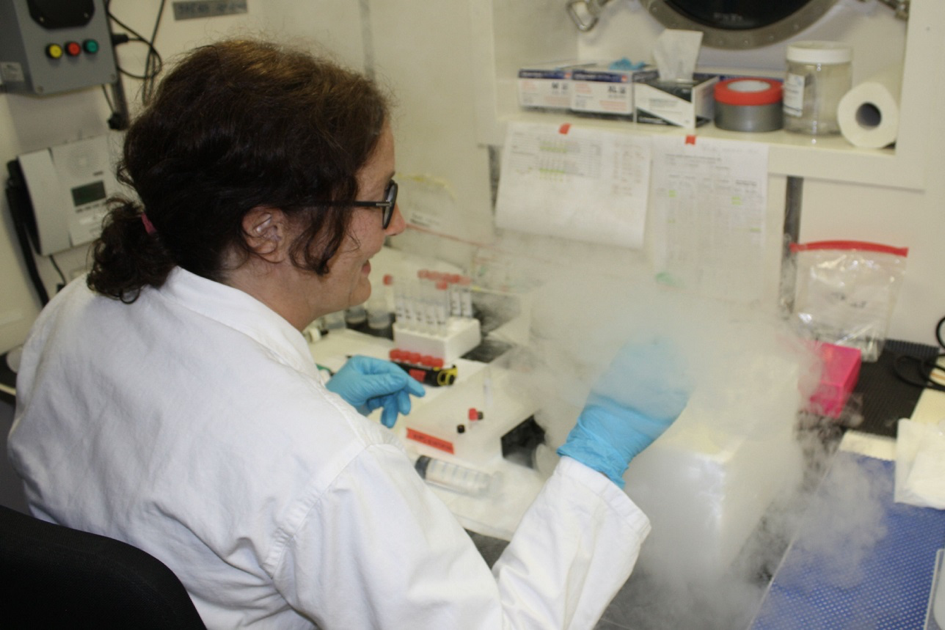
Many parameters of the fluids are determined on board. Immediately after sampling, the pH value, oxygen content, salt content, and redox potential (Eh value) of the fluids and plumes are measured. In addition, iron, sulfide, magnesium, calcium, and chlorine concentrations in the fluids are determined. Based on these initial results, we can already estimate how well the sampling worked, i.e., how pure the collected hydrothermal fluids are. In addition, initial conclusions can be drawn about which processes and sources have influenced the hydrothermal fluids.
However, most of the work in the onboard laboratory consists of preparing the samples for transport and subsequent analysis in the laboratory at home. Since many of the components are unstable under surface conditions, everything has to be done very quickly. All fluid chemists are eagerly waiting as soon as the crown water sampler or MARUM-QUEST come on board so that they can process the samples as quickly as possible. Depending on the subsequent methodology, the fluids are filtered into different size fractions, partially acidified, cooled, or frozen. For some analyses on land, the highly volatile components of the fluids are also fixed to ensure correct and precise results later on.
(C. Kleint, Bremen)
June 17, 2018: SO263 – ROV finds TV grab sampling site
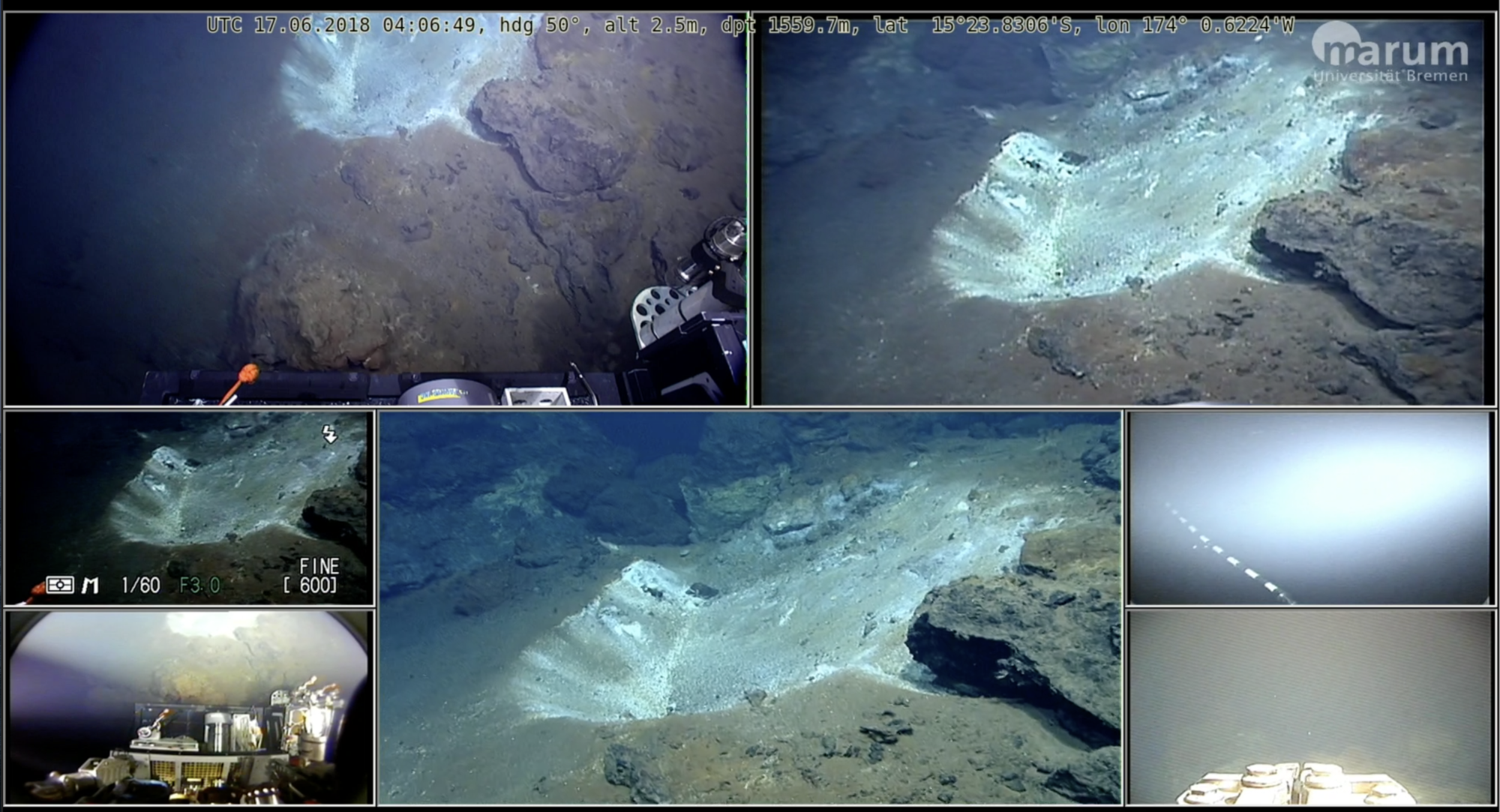
The Marum-Quest submersible robot (ROV) found a spot that had been sampled the day before with the TV grabber. Despite the size of the excavator buckets and the relatively simple technology, it is clear that samples can be taken in a very targeted manner without causing major damage to the seabed. The screenshot impressively shows the different camera views that enable navigation and sampling with the ROV.
(Photos: MARUM, University of Bremen)
June 15, 2018: SO263 – Gas-tight fluid sampling
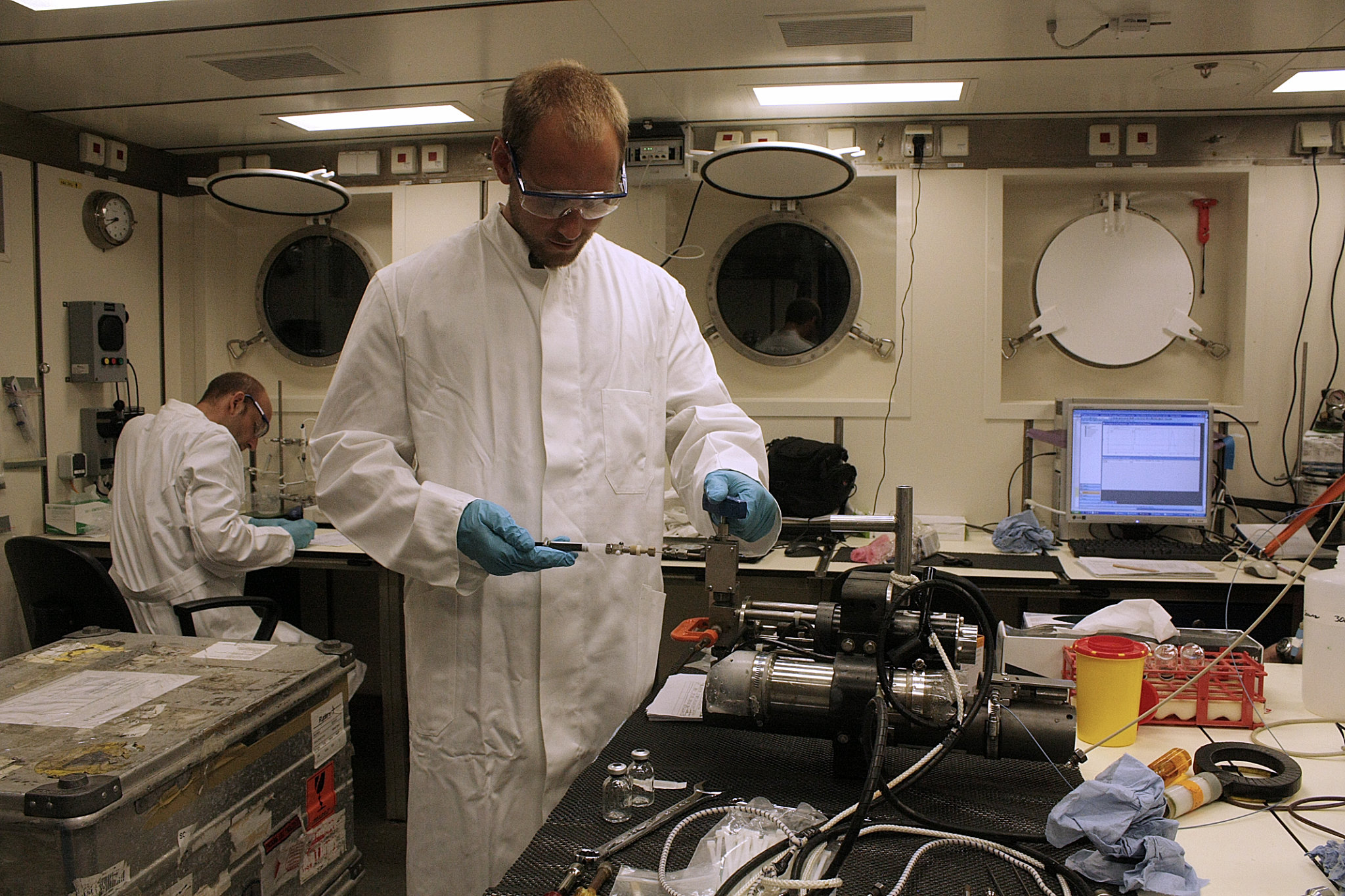
Today we began our work program in the third working area of SO263, the Niuatahi Caldera. During the first dive, we set two new temperature records for this expedition. Two black smokers with temperatures of 324°C and 334°C were successfully sampled.
The petrologists and fluid chemists of the “Petrology of the Oceanic Crust” working group at the University of Bremen, Wolfgang Bach, Patrick Monien, Alexander Diehl, and Stefan Sopke, are engaged in sampling and subsequent analysis of the hydrothermal fluids emerging from the vents of the black and white smokers.

In addition to basic parameters such as temperature and pH value, the alkalinity, the so-called acid buffer capacity of the water, as well as the concentrations of hydrogen and methane are determined directly on board.
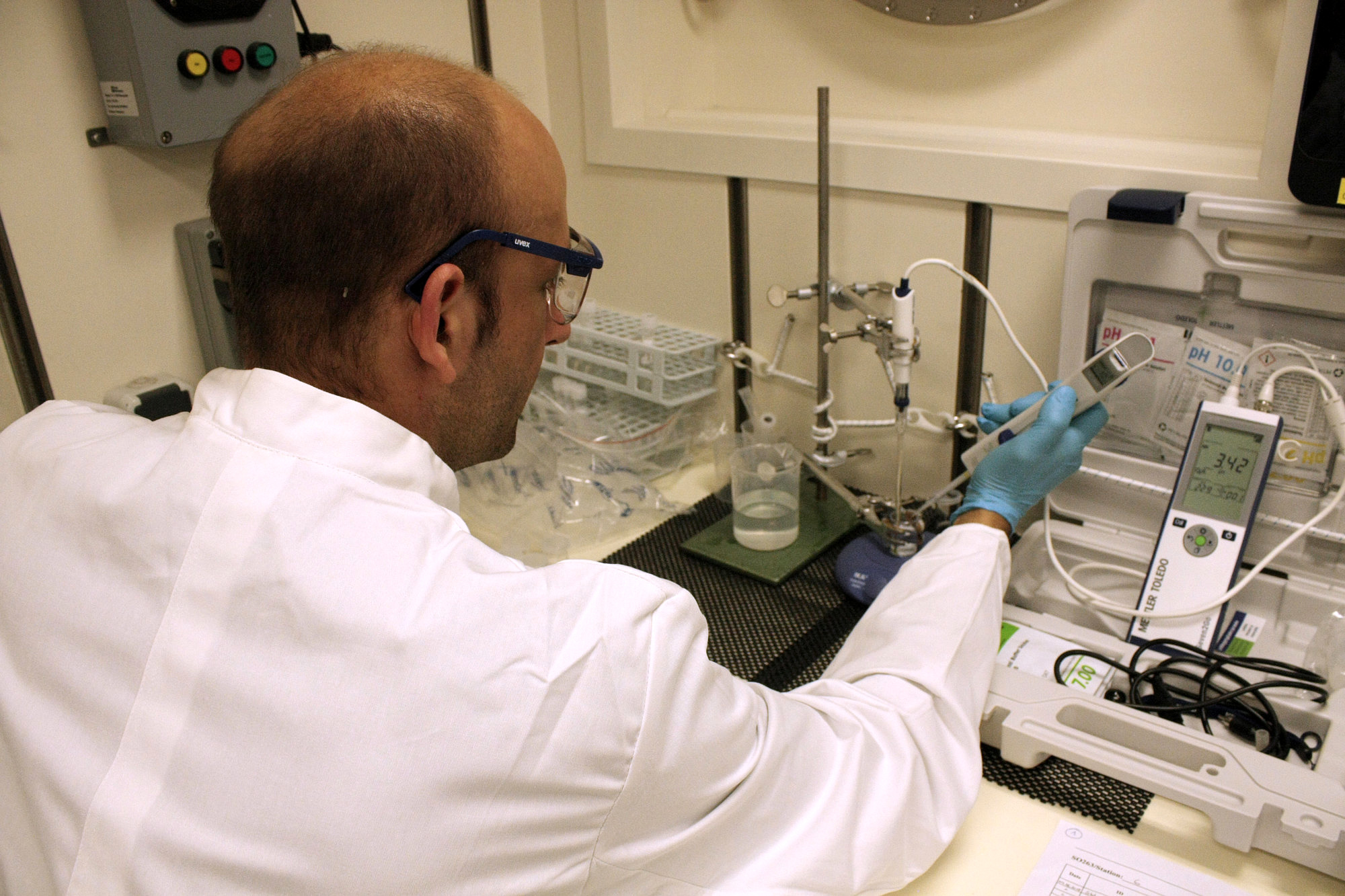
So-called “IGT samplers” (the abbreviation stands for “isobaric gas tight”) are used for sampling. These special fluid samplers make it possible to bring the fluid samples collected on the sea floor on board the ship without pressure relief, thus preventing the loss of gases dissolved in the fluid. Pressure relief only occurs when a small subsample is filled into a gas-tight glass syringe. There, the gases bubble out of the liquid, similar to when opening a bottle of sparkling water. The bubbled-out gas is then injected into a gas chromatograph and separated into its individual components before two detectors simultaneously determine the concentrations of methane and hydrogen gases. It is precisely the concentration of hydrogen gas, with its reducing effect, that determines the chemical environment underground and the type of interaction between the hot solutions and the volcanic rock.
This key parameter will enable us to use thermodynamic calculations to understand the chemical processes that take place deep underground beneath the hydrothermal fields. Gas contents continue to play an important role for the fauna living around the vents, as they provide the “fuel” for chemosynthetic organisms, among other things.
The samples from the IGT samplers will be distributed among the participating fluid chemists at the University of Bremen, Jacobs University, the University of Münster, and the University of Bayreuth to ensure a complete analysis of these elaborately recovered fluids.
(C. Kleint, Bremen)
June 10, 2018: SO263 – „Mussel Mania“ – Niua North
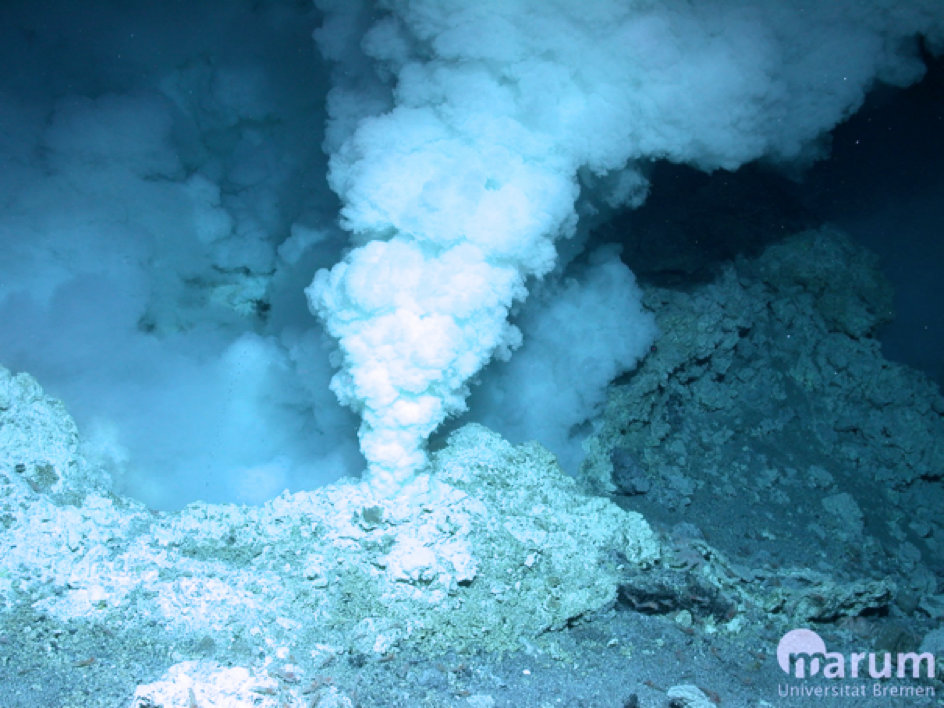
After collecting numerous rock samples and fluids above 300°C in the Niua South working area, which is around 1,200 m deep, our next working area is Niua North. This is located at a depth of only around 700 m and, as the name suggests, is located around 10 km north of the first working area, Niua South. The hydrothermal activity here is very different – not in the form of black smokers, but rather white smokers. The fluids are very acidic (pH 1.8), very sulphurous and rich in gas; the vent field is also called Hellow Vents.
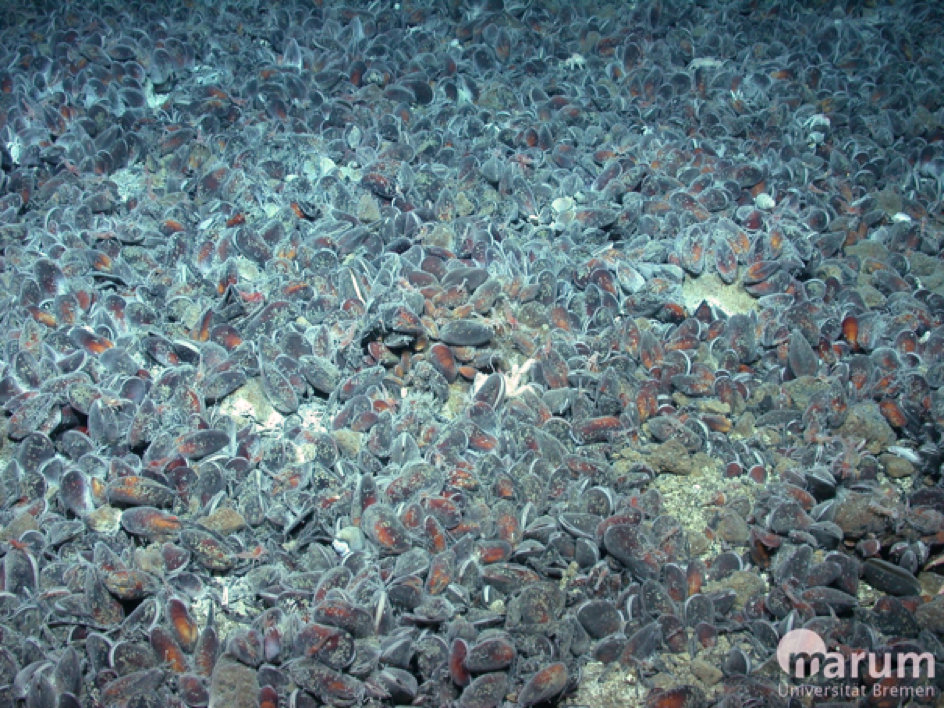
While we found only a single mussel in Niua South, there is a whole field of mussels in Niua North: Mussel Mania. Microbiologists Merle Ücker and Miguel Ángel González Porras from the Max Planck Institute for Marine Microbiology in Bremen are eagerly awaiting the first mussels from this area.
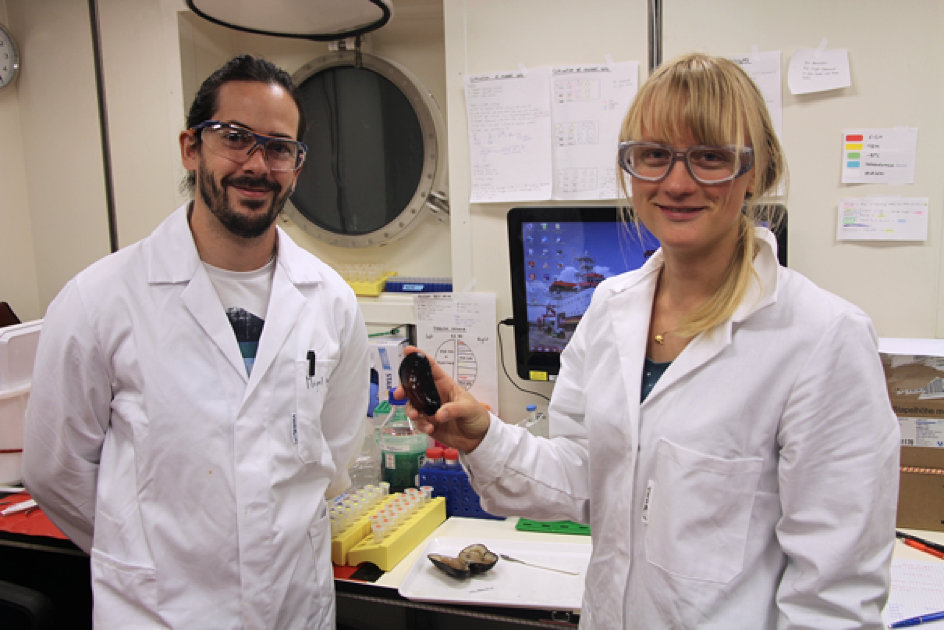
The net used by MARUM-QUEST to collect large quantities of Bathymodiolus mussels is safely stowed away in a drawer on the ROV. As soon as the MARUM QUEST comes on deck, things have to move quickly: to prevent any “changes” to the mussels, they are immediately dissected in the SONNE laboratory. The organ of greatest interest to microbiologists is the highly developed gills, which contain bacterial symbionts. These symbionts are the reason why the mussels can survive “down there” at all, where it is dark and there is virtually no organic material available as food. The symbionts are able to use the chemical compounds from the hydrothermal fluids as energy to produce biomass, a process known as chemosynthesis. The biomass is transferred directly to its host – the mussel.
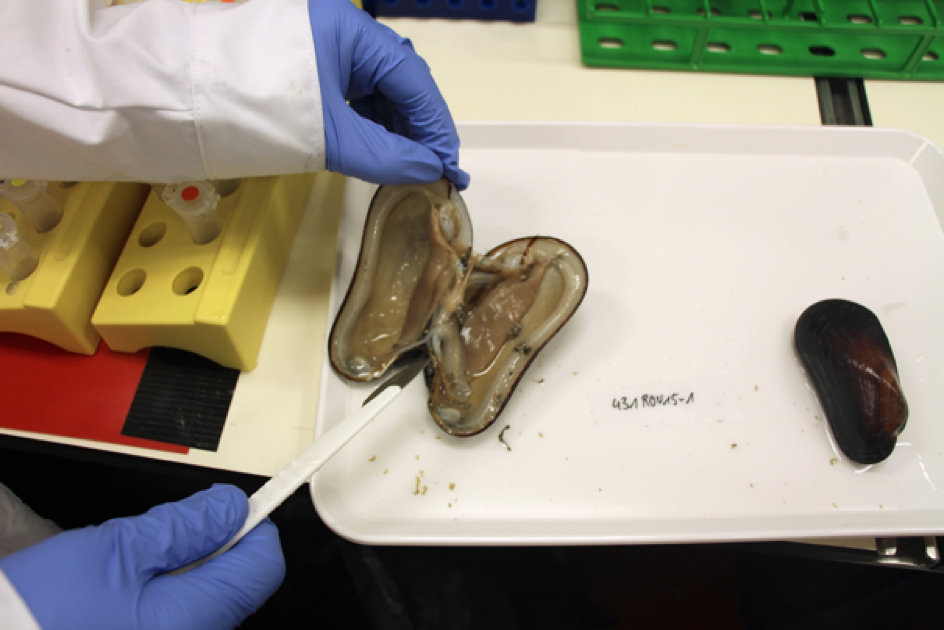
Back in Bremen, the mussels’ gills are examined further in the laboratory. Using “molecular language,” microbiologists aim to understand how the symbionts interact with the mussels, how diverse the symbionts are, and what influence the environment has on their population.
(C. Kleint, Bremen)
June 5, 2018: SO263 – Samples from the first work area – Niua South
Now that all the laboratories are fully set up and the equipment is ready for use, we eagerly and curiously awaited the first samples.

Four successful TV grab operations during the nights of June 3 to 7 brought many kilograms of rocks from depths of between 600 and 1500 m on board the SONNE. The rocks range from pumice, which is often found in island arcs, to basaltic rocks, which are important for understanding the formation processes of Niua South. The range of rock types we find allows us to adapt the sampling for the following nights based on the rocks and images from the previous TV grabs, thus ensuring efficient sampling. On board the Sonne, the rocks are immediately processed, sawn, described, and packed for transport back home.
In the first working area, Niua South, four additional crown water sampler profiles (known as tow-yos) were deployed to detect possible plumes in the water column. For this purpose, the water sampler is towed behind the SONNE (which travels along the selected profile at a speed of only 1 knot) at various depths, with the attached sensors continuously transmitting live measurement data such as depth, salinity, pressure, and—most importantly for us—turbidity. A turbidity signal indicates particles in the water column and is usually a sign of a hydrothermal plume. At these depths, the bottles on the crown water sampler are then closed from the laboratory at the push of a button. Up to 24 bottles, each with a volume of 12 liters, can be filled in this way. Back on deck, all the scientists are ready to fill samples from the corresponding bottles and depths. These profiles and subsequent analyses allow us to estimate how far the plume spreads – laterally and vertically.
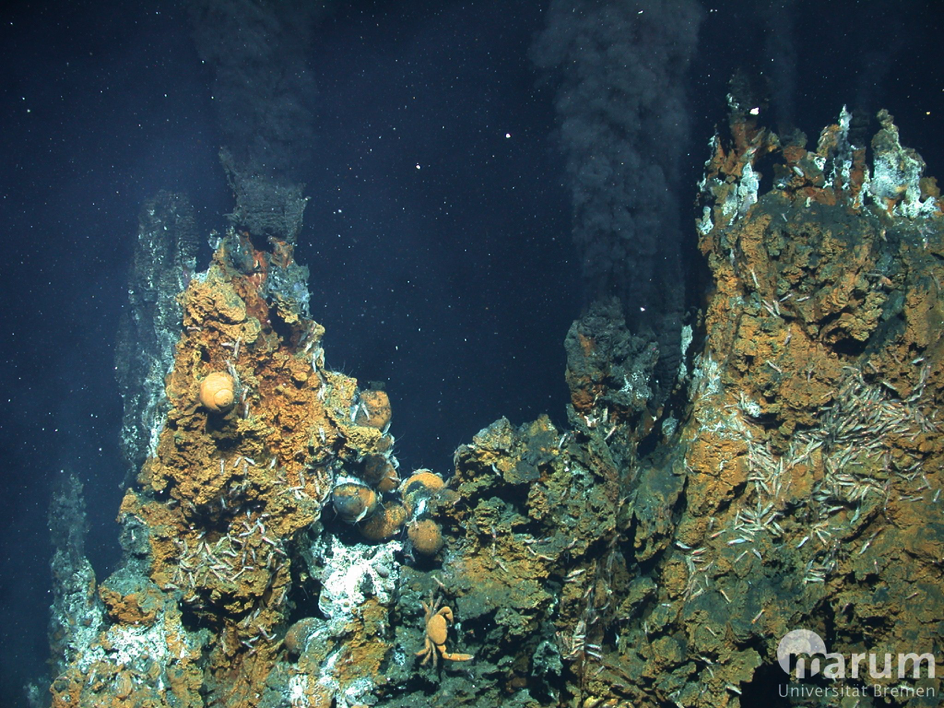

Our most important sampling device, the MARUM-QUEST, is diving for the second time and providing us with spectacular images and samples from the seafloor. After diving 1,200 meters through the water column, it landed directly in an area with active and inactive hydrothermal vents, allowing us to begin sampling quite quickly.
In addition to rocks and ores, QUEST also collects fluids and biological samples such as mussels, snails, and tube worms. Initial processing of the samples begins directly in the SONNE’s laboratories and continues into the night, while at the same time the next device is lowered from the deck to bring further samples on board.
June 1, 2018: SO263 TongaRift has been launched
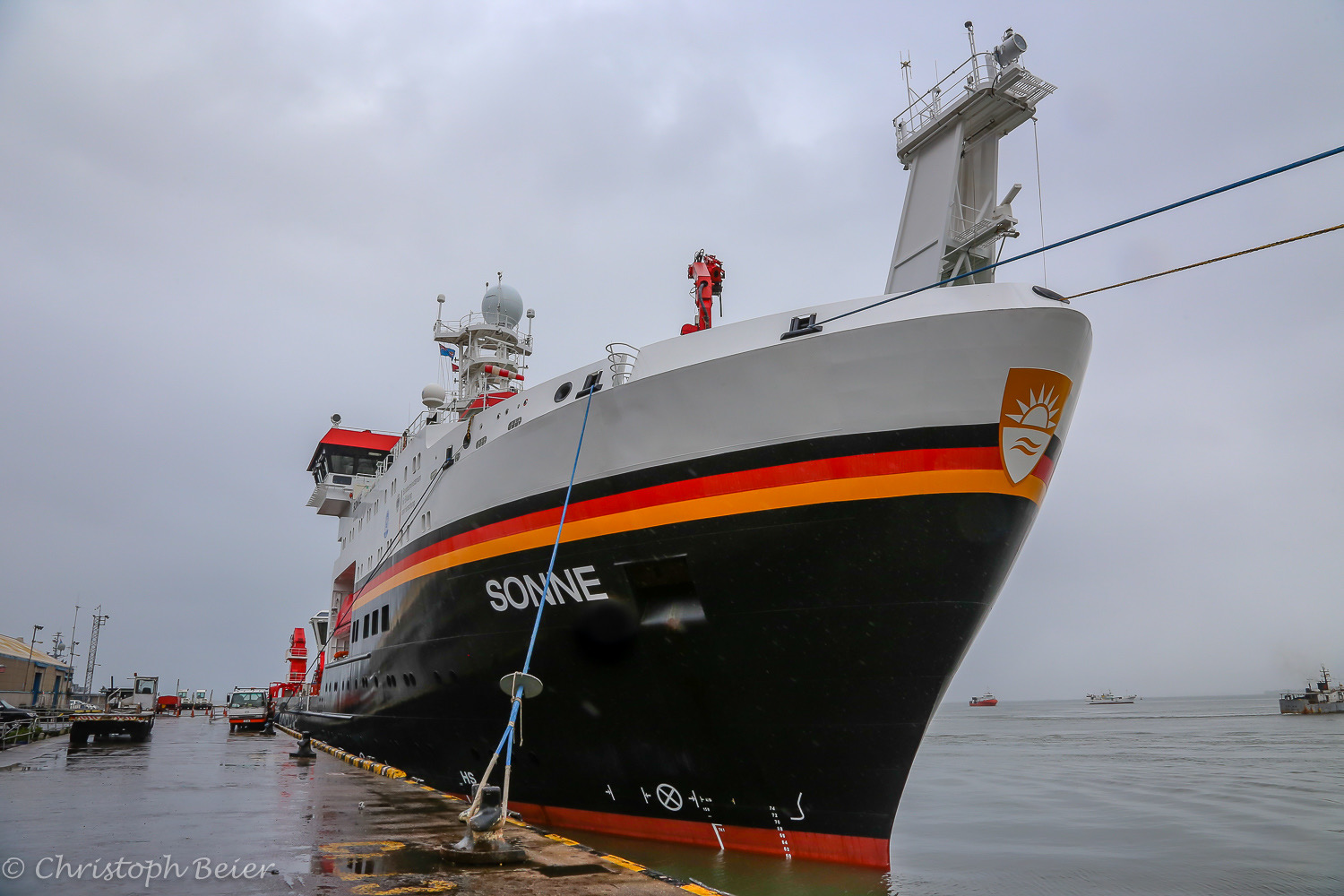
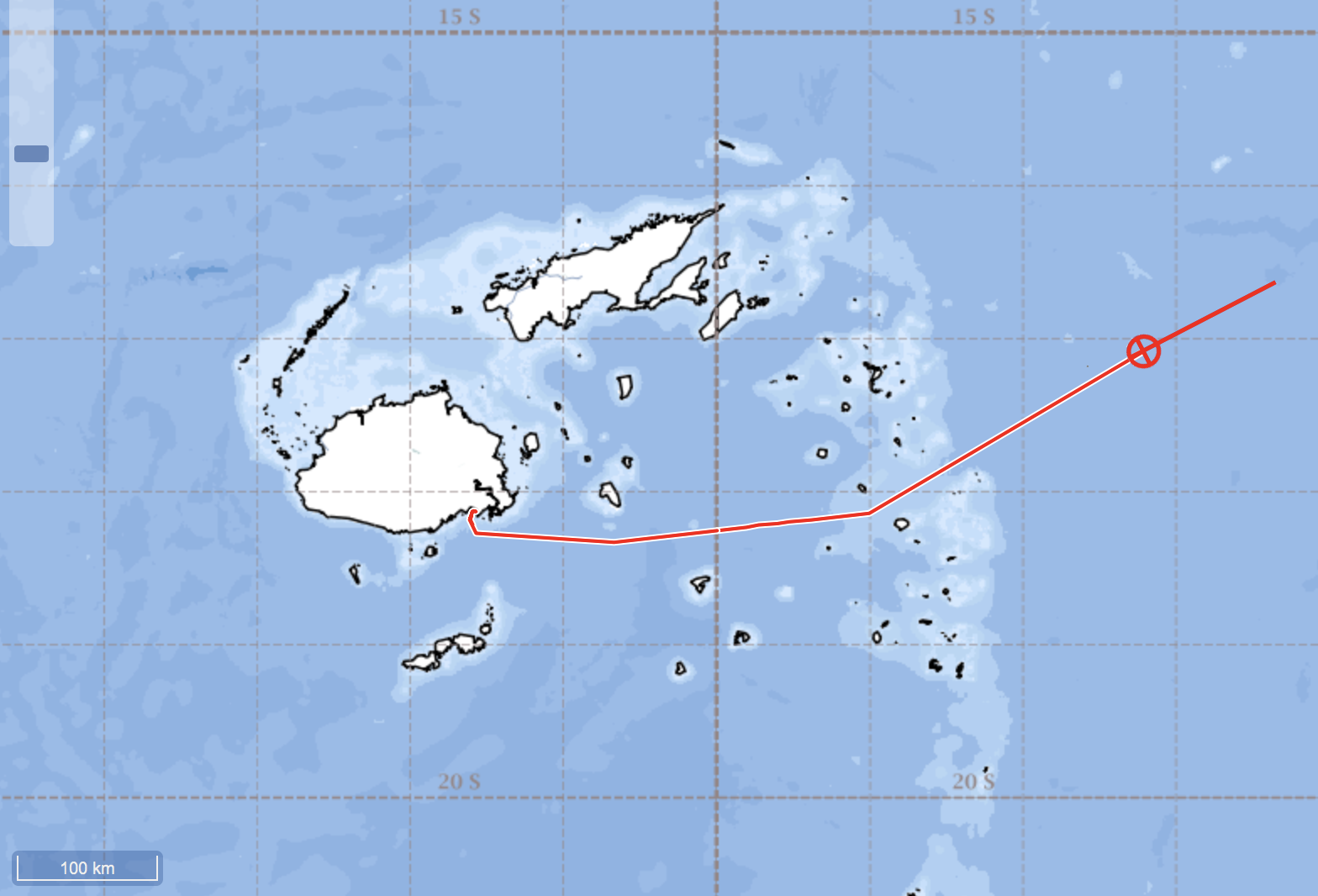
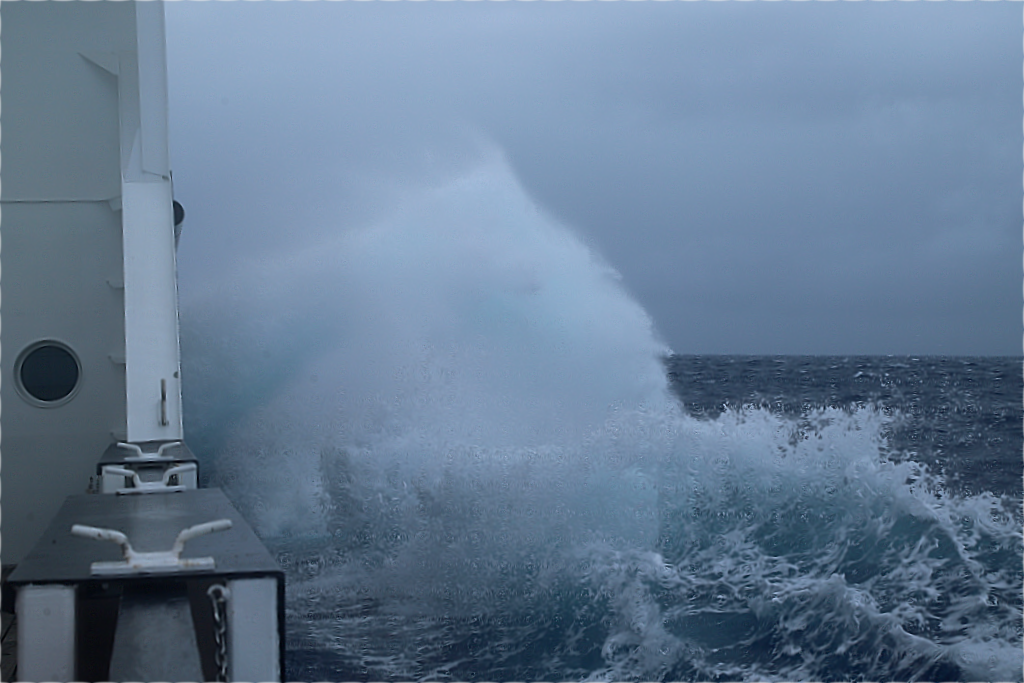
On the morning of May 31, all scientists moved into their quarters aboard the FS Sonne. Since all containers, including air freight, arrived in Suva on time, we were able to leave the port of Suva in the Fiji Islands on June 1 at around 9:00 a.m. local time, heading east toward Tonga. On board are geoscientists from a wide range of disciplines, including petrologists, geochemists, oceanographers, hydrothermal specialists, and biologists. Strong winds and rough seas are still causing problems for some of the passengers, but the weather forecast promises improvement. Since a full stomach is good for seasickness, we are very grateful for the delicious food on board.
We use the two days of transit to the first work area to transform the ship’s empty laboratories with their respective work equipment into functioning workplaces. The spectrum is broad, ranging from coarse mechanical crushing, such as sawing, to mini clean rooms for trace metal-free work. In addition, the instruments we have brought with us, such as the gas chromatograph for determining gas contents or the photometer for analyzing sulfide and iron concentrations, are tested for functionality. But it’s not just indoors; outside on deck, large equipment such as the water sampler, the TV grabber, and, of course, the diving robot, the MARUM ROV-QUEST, are also being prepared for sampling. The highly experienced and helpful crew supports us in this, and even minor issues are quickly resolved.
The first sampling will take place on the afternoon of June 3. Water samples will be taken from different depths using the crown water sampler. These water samples will be used to analyze “background” concentrations and to calibrate the various instruments. This will be followed by a nighttime deployment of the TV grabber, which will deliver the first rock samples from the seabed. The first sampling by the ROV QUEST is scheduled for June 5.
We are excited and looking forward to the first samples and spectacular images from the hydrothermal systems.