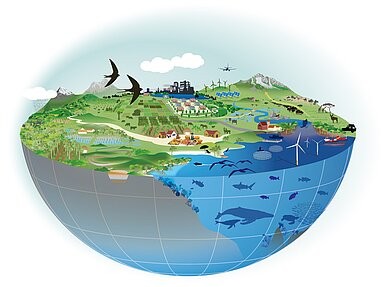
In section Paleobiology and Paleoenvironments, we study the evolution of ecosystems over long timescales. We deduce the environmental factors which significantly influenced the emergence and disappearance of communities throughout Earth’s history, alongside predicting the effects of modern day anthropogenic climate change on future ecosystems. To achieve this we combine geological fieldwork, state-of-the-art analytical methods, palaeobiological databases and statistical analysis.
Get information on future events and talks of the Palaeontology group by registering with our mailing list.
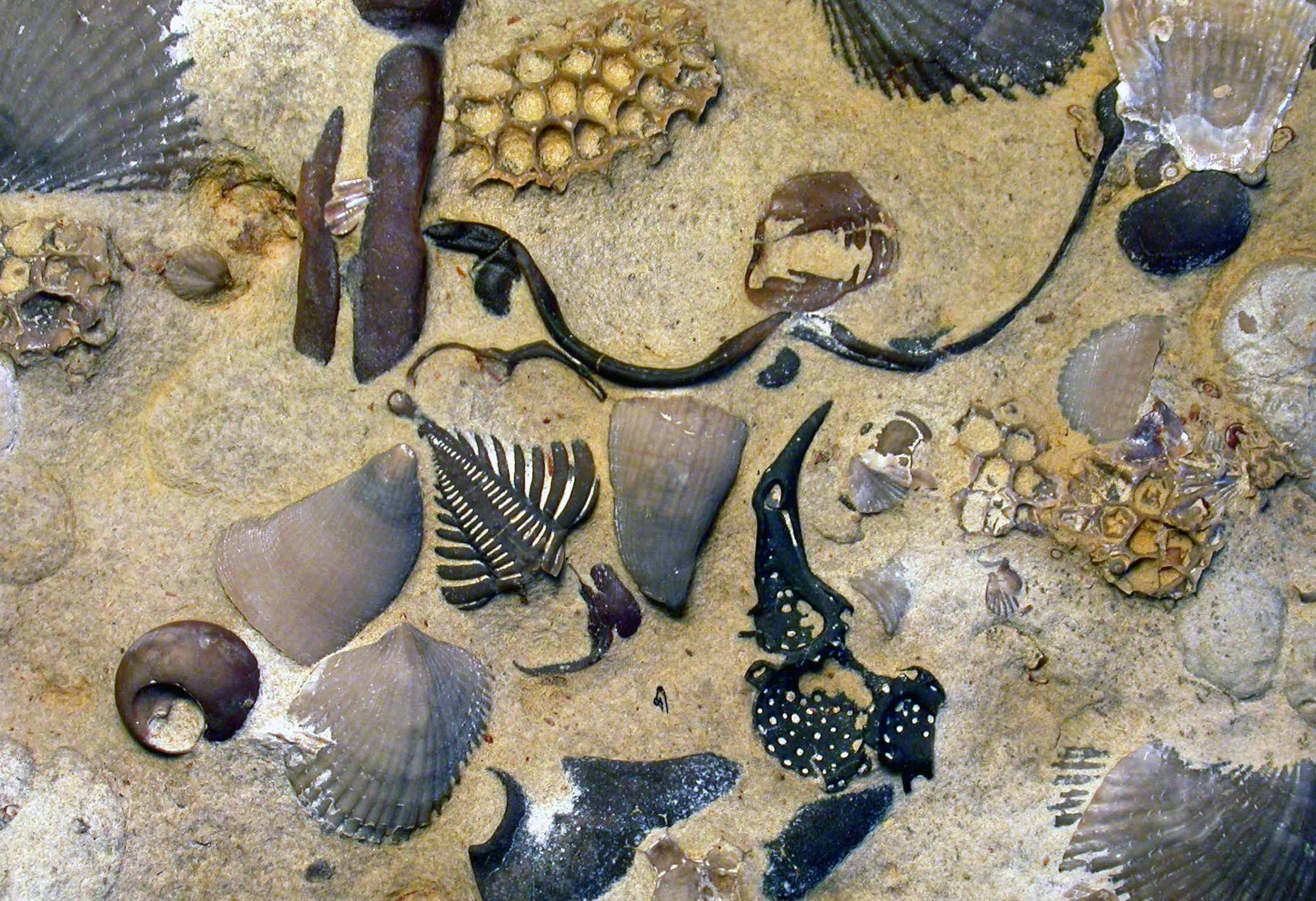
We warmly congratulate Prof. Dr. Wolfgang Kießling on his outstanding achievement in the Ranking of the Stanford List 2025 in the research in the field of palaeontology. The publication data used for the study is based on a data extract from Scopus in August 2025 and refers to the citation year 2024. Read more…
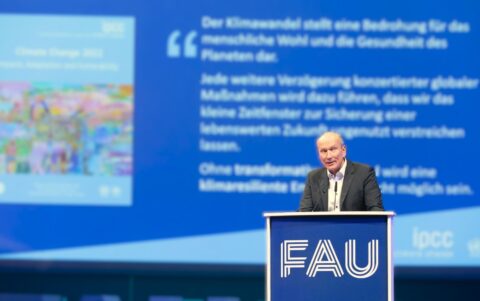
On October 29, 2025, Prof. Dr. Wolfgang Kießling will give a lecture at the Nuremberg Planetarium titled “Between heat and hope: Species conservation in the age of climate change.” The event is part of the lecture series “Species conservation in the Anthropocene: Strategies for a Livable Future.”
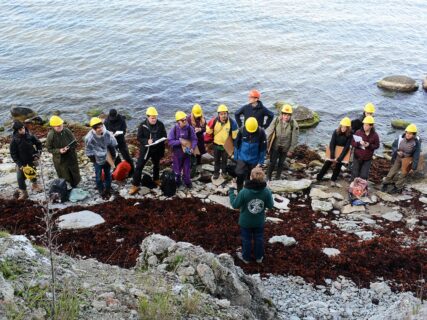
As part of its regular courses, the GeoZentrum Nordbayern in Erlangen conducts a two-week field exercise on Gotland (Sweden) every two years. This year, master’s students in palaeontology once again spent two weeks on the island learning how to measure geological sections on various scales and using different techniques, as well as how to extract information about sedimentary environments from rocks and fossils. Please read more…
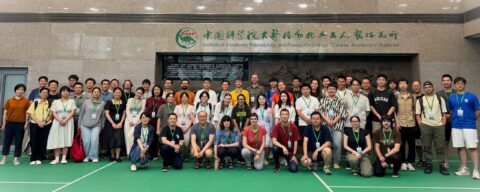
This July, an international team of researchers, co-led by Professor Rachel Warnock, organised a “Taming the BEAST” workshop at the Institute of Vertebrate Paleontology and Paleoanthropology (IVPP) in Beijing, China. Please read more…
The enrolment for the Bachelor’s degree programs in Geosciences takes place until September 30, 2025. For the Master’s degree programs, the required deadlines of the Faculty of Natural Sciences are until July 15, 2025. New: Bachelor’s degree program: Geo-sustainability – earth system, resources and biodiversity!