Endogenous Geodynamics
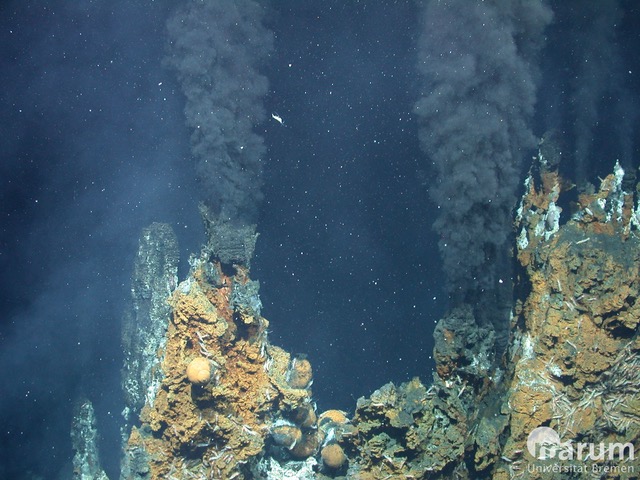
The Geodynamics Research Group examines the formation and evolution of the Earth’s crust and lithosphere, using geochemical and petrological methods. The lithospheric plates are formed as a result of magmatic processes at divergent and convergent plate boundaries (mid-ocean spreading centres, and subduction zones). These plate boundaries are the most tectonically-active regions of the Earth, where volcanism and earthquakes are concentrated, and also influence global climate.
The main research themes of our Research Group are the formation, migration and chemical evolution of magmas within the Earth, and global geochemical cycles associated with these processes. An important aspect of our research are the consequences for humankind of volcanic activity, its role in environmental and climate change, and the formation of ore deposits.
Together with partner universities from France, Slovakia, Hungary, and Greece, as well as industry partners, we are part of the ARTeMIS project within the framework of ERASMUS+. This EU project aims to provide advanced training for Master’s students in the areas of metallic deposits, their exploration, GIS applications, and the use of portable analysis systems in the field. Read more ...
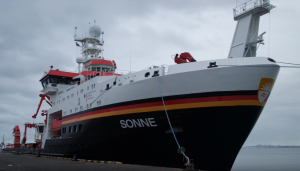
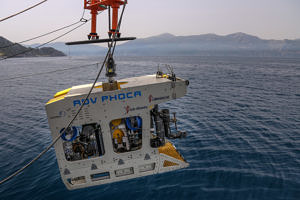
LEG members regularly participate in the planning and realisation of international research vessel cruises with German research vessels. Here you can find a video of our work on the research vessel Sonne.
Recent: April 2025 – New Zealand, 2025 – RV Sonne – Cruise SO311
Read more about our team, our research topics and publications.

Chair of Endogenous Geodynamics
Prof. Dr. Karsten Haase
Schlossgarten 5
D – 91054 Erlangen
Germany
+49 9131 8522616
karsten.haase@fau.de