• Skip navigation
  • Skip to navigation
  • Skip to the bottom
Simulate organization breadcrumb open Simulate organization breadcrumb close
Geozentrum Nordbayern EN
  • FAUTo the central FAU website
  1. Friedrich-Alexander University
  2. Faculty of Sciences
  3. Department of Geography and Geosciences
Suche öffnen
  • Deutsch
  • GZN#Instagram
  • #Facebook
  • #Youtube
  1. Friedrich-Alexander University
  2. Faculty of Sciences
  3. Department of Geography and Geosciences

Geozentrum Nordbayern EN

Navigation Navigation close
  • Prospective Students
    • Application and enrollment
    • Career paths after graduation
    • That’s why studying at the GeoZentrum Nordbayern is worthwhile!
    Prospective Students
  • Study
    • Start of Studies
    • Bachelors at the GeoZentrum
    • Masters at GeoZentrum
    • Geoscience Minor
    • Acknowledgement of Academic Achievements
    • Study Abroad
    • Student Associations
    • Examination Regulations, Downloads and Evaluation
    • Contact
    Study
  • Research
    • Research groups
    • Research projects
    • Databases & Software
    • Laboratory equipment
    • Publications
    Research
  • Schools and guests
  • GeoZentrum
    • Organisation
    • Maps
    • Team
    GeoZentrum
  1. Home
  2. Endogenous Geodynamics
  3. Projects
  4. ERASMUS+ ARTeMIS

ERASMUS+ ARTeMIS

In page navigation: Endogenous Geodynamics
  • Team
  • Research
  • Lab resources
  • Projects
    • ERASMUS+ ARTeMIS
  • Publications
  • Contact

ERASMUS+ ARTeMIS

The ARTEMIS project is funded by the EU’s ERASMUS+ program and is aimed at students majoring in Petrology, Geodynamics, and Georesources (PG) in their MSc program. Our partners include universities in France, Greece, Slovakia, and Hungary, as well as industrial companies.

ARTEMIS offers MSc students the opportunity to deepen their knowledge in the field of modern exploration for metallic minerals and the formation of porphyry Cu-Mo-Au and epithermal deposits.
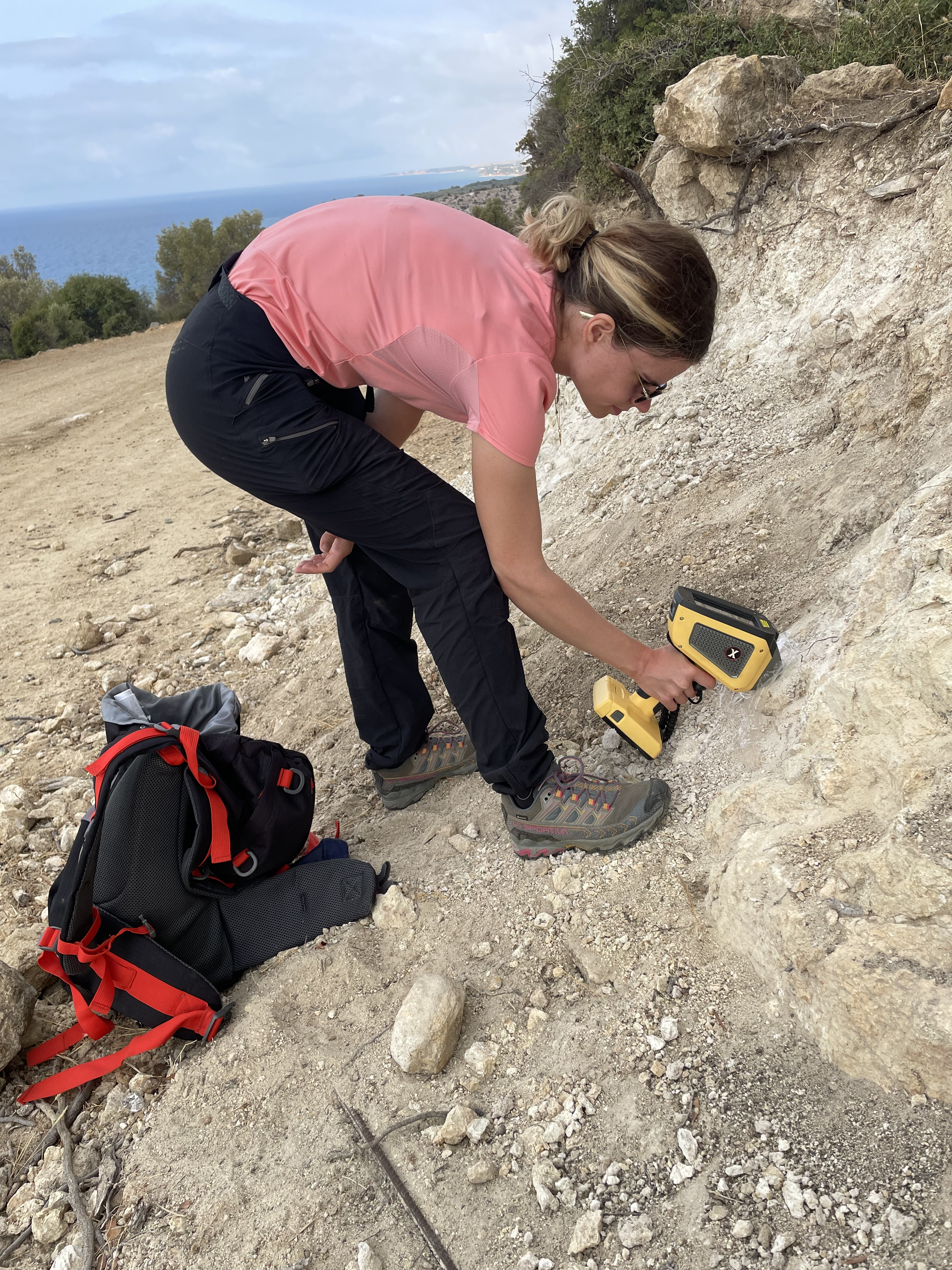
X-ray fluorescence analysis in the field

The use of portable instruments plays an important role in determining the mineralogical and chemical composition of rocks:

  • pXRF: X-ray fluorescence analysis of rocks allows for the determination of the chemical composition of major and trace elements
  • pLIBS: Laser-induced breakdown spectroscopy, which enables the analysis of the chemical composition of rocks
  • pRaman spectroscopy: Identification of minerals such as carbonates or sulfates in the field
  • pVNIR-SWIR: Visible and near-infrared/short-wave infrared spectroscopy for identifying minerals in the field

Petrology, tectonics, and mineralogy of ore deposits in Greece and Slovakia as part of the Tethyan Metallogenic Belt

  • Theoretical background on magmatic, tectonic, and hydrothermal processes involved in the formation of mineral deposits
  • Modern approaches to the exploration of porphyry Cu-Mo-Au and epithermal mineralization

The course consists of two parts:

  • Five-day training and practical session at the University of Lorraine in Nancy: Applications of portable devices for chemical and mineralogical analysis in the field for mineral exploration
  • A roughly two-week field course in Greece, beginning with a theoretical component on deposit geology and the geology of the Aegean Sea at Aristotle University of Thessaloniki, followed by a field trip to various mineralization sites (porphyry Cu-Au-Mo, epithermal) in northern Greece, in the Alexandroupoli area.
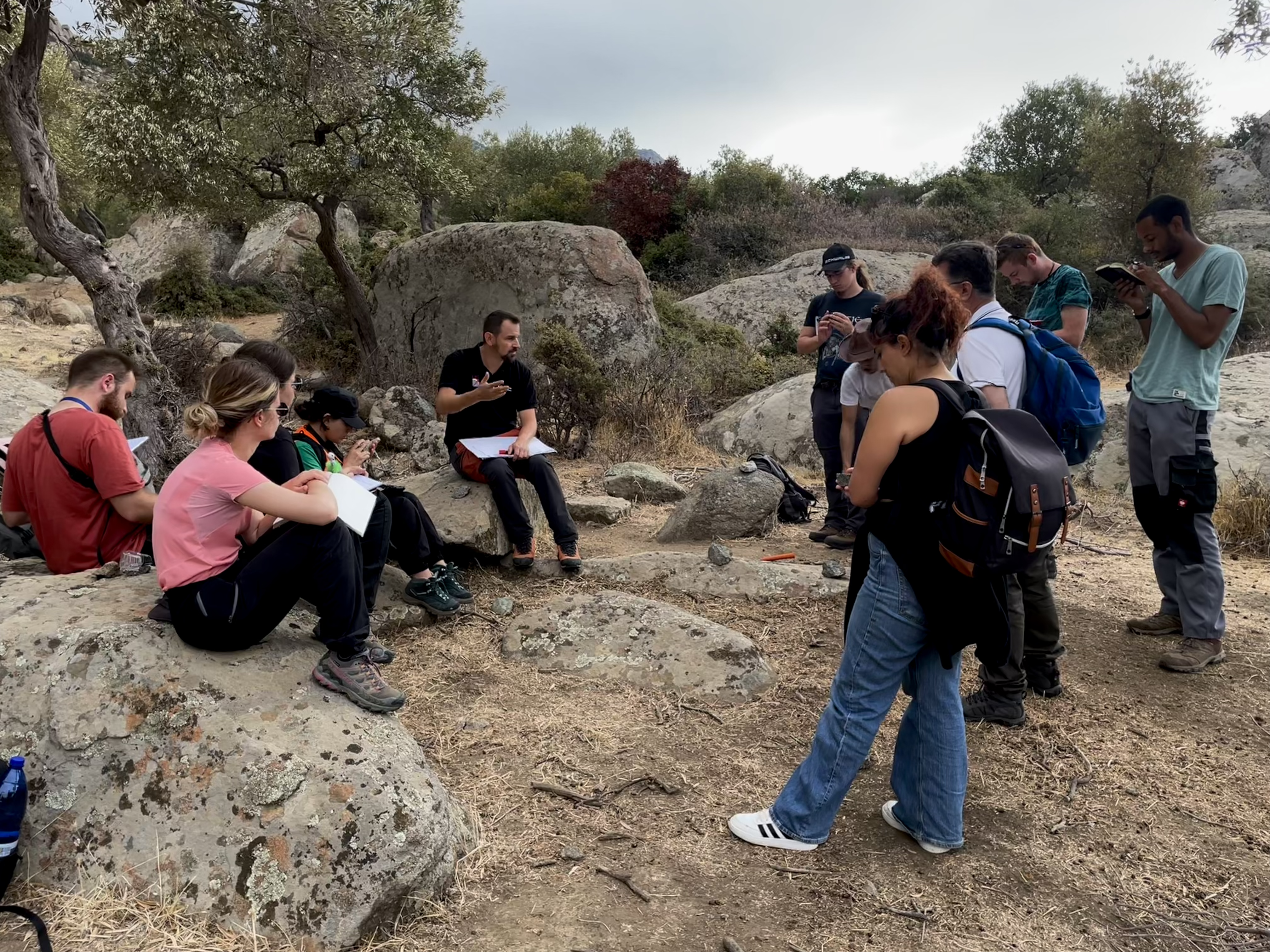
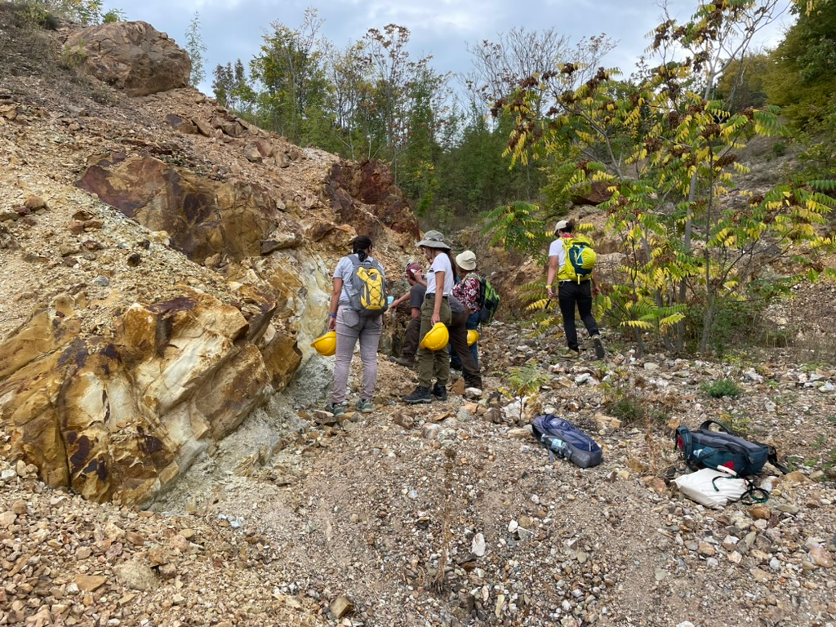
Fieldwork in Maronia, Greece
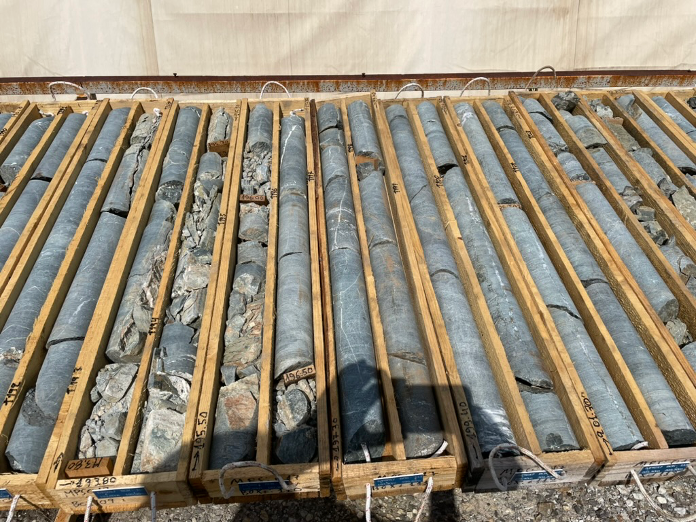
Exercise using drill cores in Stratoni, Greece
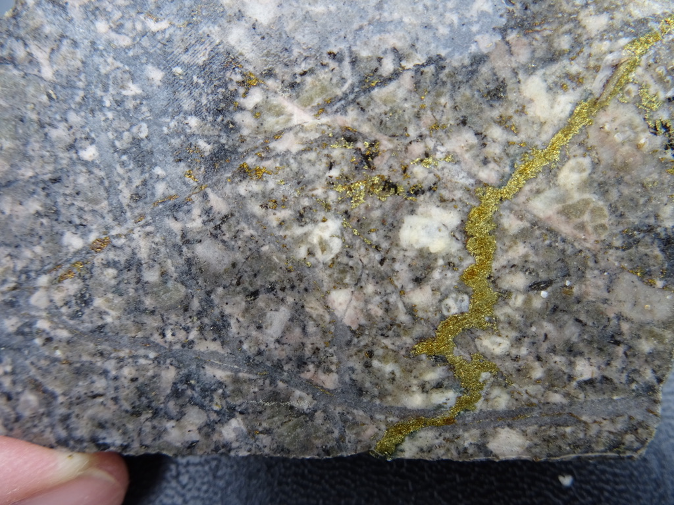
Description and Analysis of Mineralized Samples
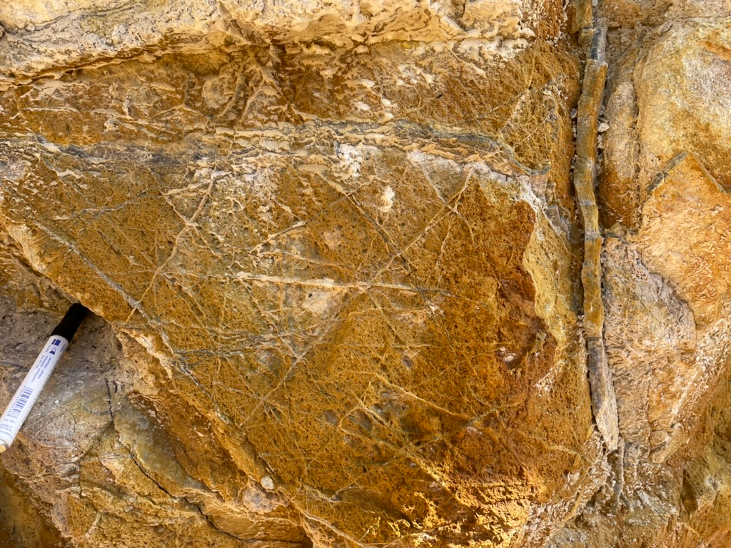
Stockwork mineralization with a network of quartz veins
Fieldwork on an epithermal vein

Addition information

Instagram “Rock Galleries”

GeoZentrum live!

GZN active!

Friedrich-Alexander-Universität
GeoZentrum Nordbayern

Schlossgarten 5
91054 Erlangen
  • Impressum
  • Datenschutz
  • Barrierefreiheit
  • Facebook
  • Instagram
  • Youtube
Up